

-
Prep Time10 Minutes
-
Cook Time25 Minutes
-
Serving4
-
Serving Size1 Bowl
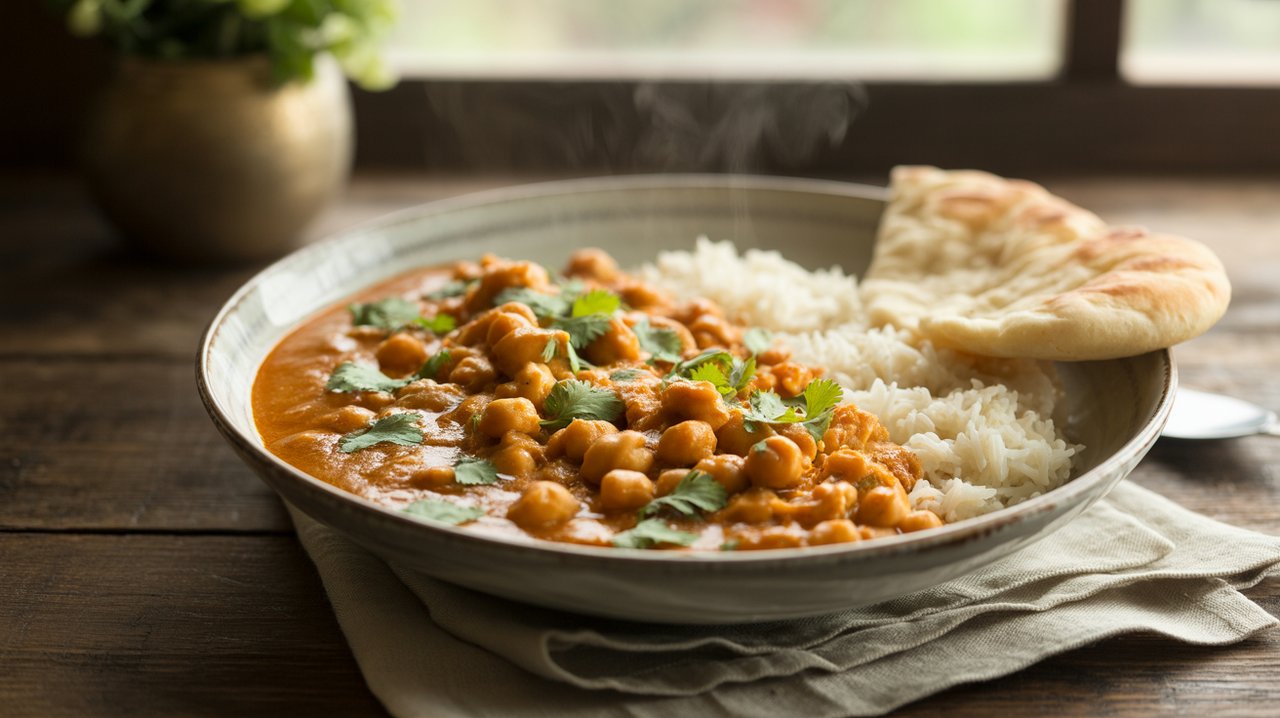
There’s something deeply comforting about a big pot of chickpea curry simmering on the stove — the kitchen fills with the warm scent of cumin, coriander, and golden turmeric, and suddenly dinner feels like something special even on a Tuesday night. This vegetarian chickpea curry is the kind of meal that makes you forget you’re not eating meat. It’s hearty, satisfying, and packed with bold flavor that builds in every spoonful.
What I love most about this recipe is how honest it is. You don’t need any fancy ingredients or chef-level technique — just pantry staples, one pan, and about 35 minutes of your time. The chickpeas soak up the spiced tomato-coconut sauce beautifully, turning creamy and rich while still holding their shape. It’s the kind of dish that tastes like it took hours but comes together faster than you’d expect.
Whether you’re a lifelong vegetarian, doing a meatless Monday, or just looking to stretch your grocery budget without sacrificing flavor, this curry delivers every single time. Serve it over fluffy basmati rice or scoop it up with warm naan — either way, you’re going to want seconds.
Helpful Products


Enter your email and we’ll send it straight to your inbox!
Love this recipe? Save it to Pinterest!

Did you make this recipe?
Leave a rating and let us know how it turned out! Your feedback helps other home cooks.
Ingredients
Vegetarian Chickpea Curry
Nutrition
Per serving
- Daily Value*
-
Calories: 380 kcal
-
Protein: 13g26%
-
Carbohydrates: 42g14%
-
Fat: 18g28%
-
Fiber: 11g44%
-
Sugar: 8g16%
-
Sodium: 620mg27%
Directions
This curry comes together in one pan — you'll build layers of flavor from sautéed aromatics and bloomed spices, then let the chickpeas simmer in a creamy coconut-tomato sauce until everything is rich, thick, and irresistible.
Step 1: Prep Your Aromatics
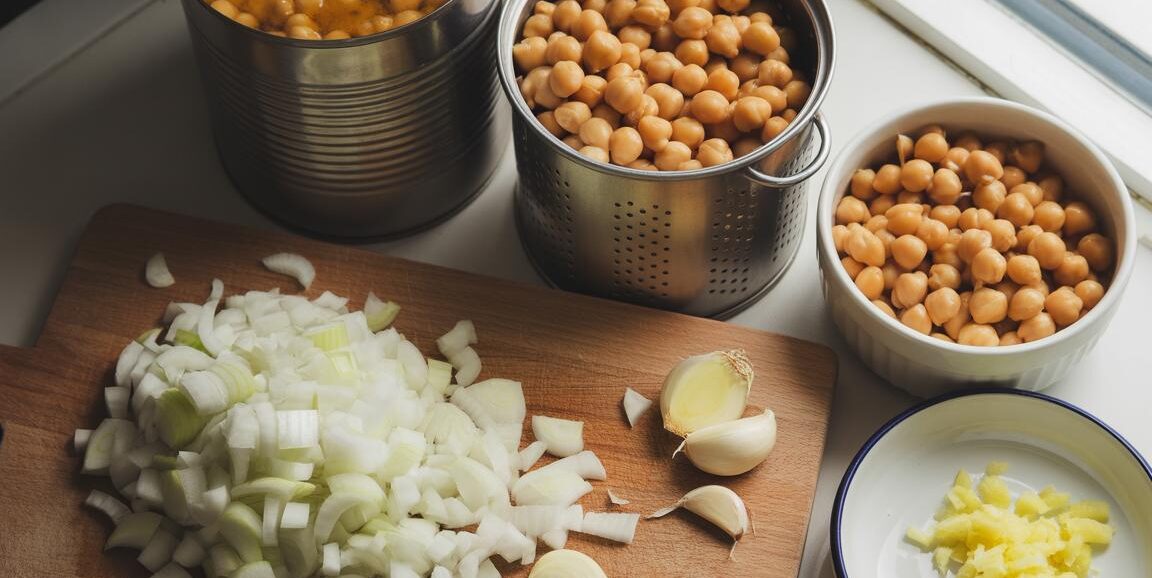
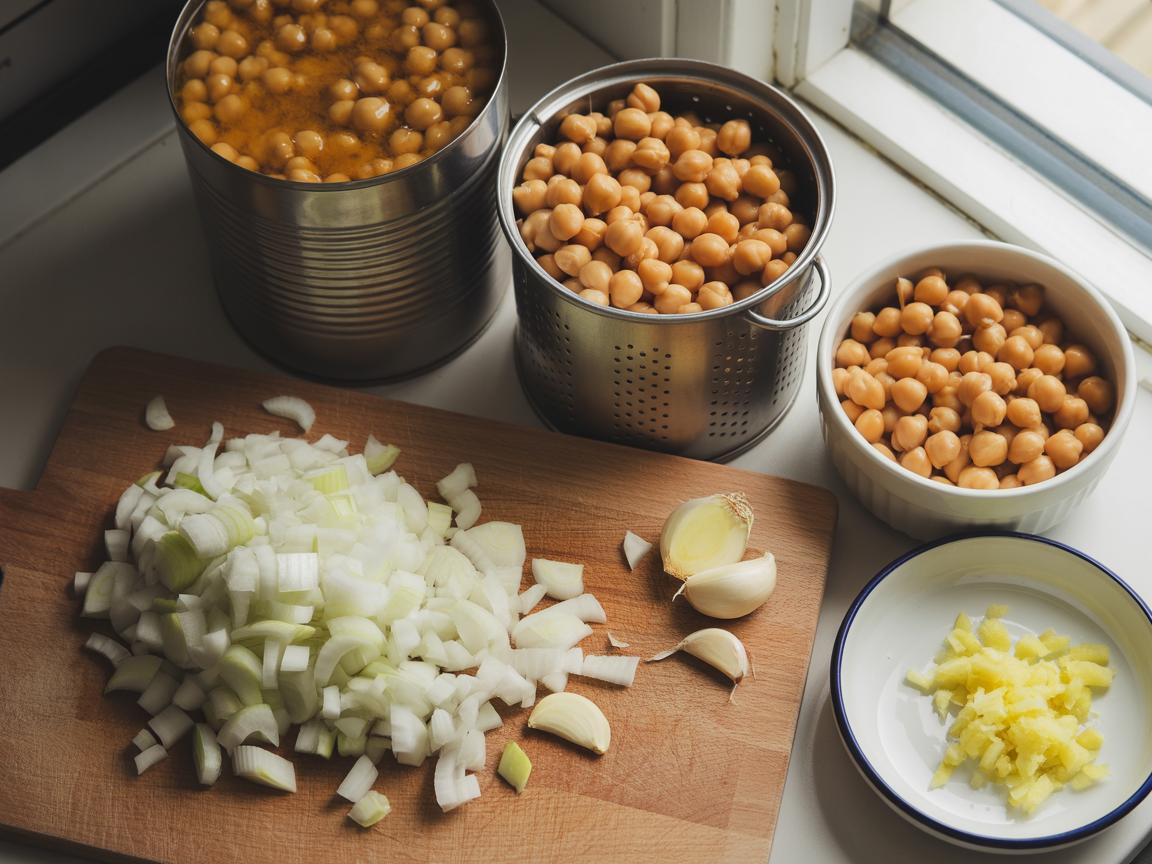
Dice the onion into small, even pieces — the finer the dice, the faster they'll soften and the smoother your sauce will be.
Mince the garlic cloves as fine as possible and grate your fresh ginger using a microplane or the fine side of a box grater.
Drain and rinse both cans of chickpeas in a colander under cold water, then set them aside to drain fully.
Step 2: Sauté the Onion
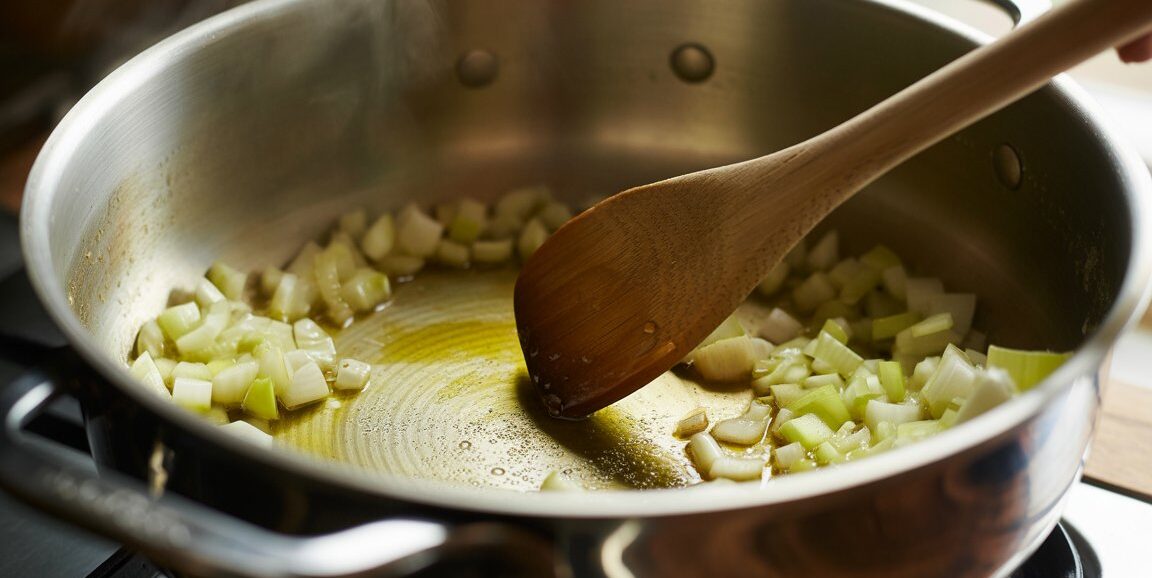
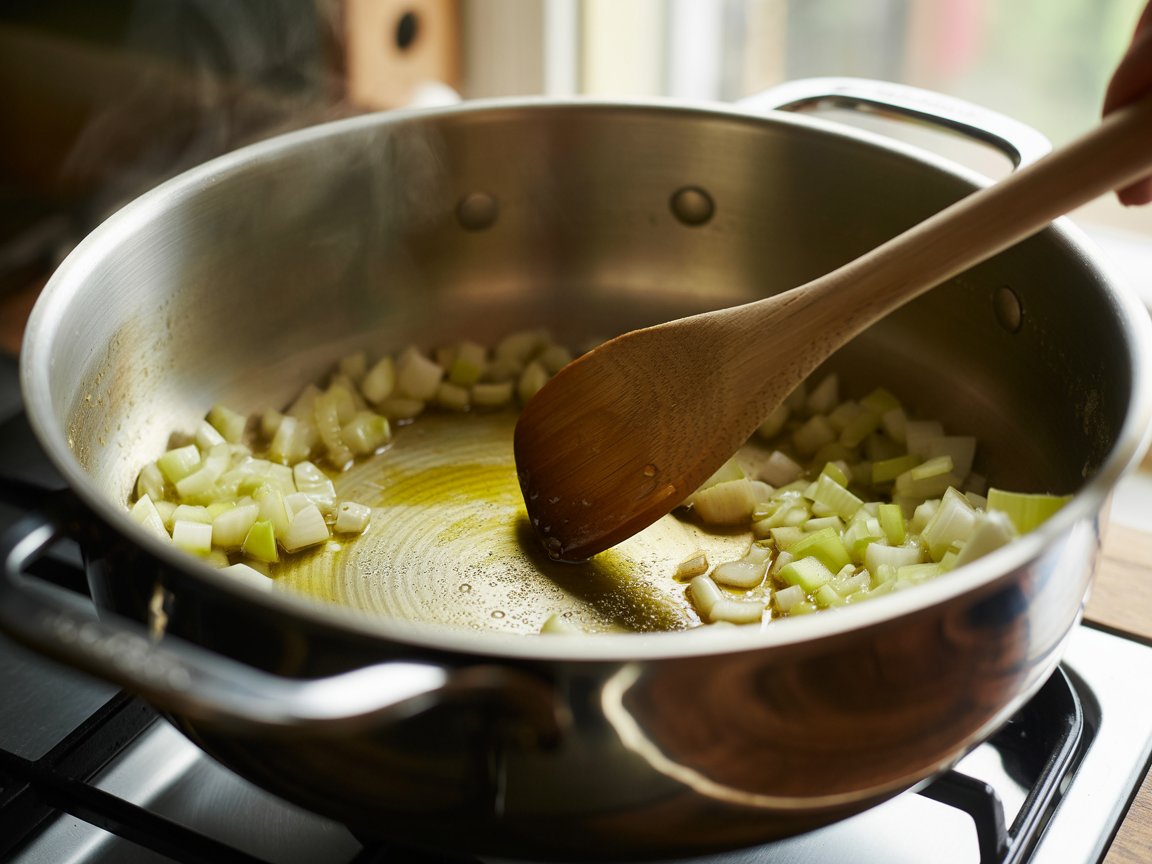
Heat 2 tablespoons of olive oil in a large deep skillet or Dutch oven over medium heat until shimmering.
Add the diced onion and a pinch of salt, then cook for 6–8 minutes, stirring occasionally, until the onion is soft, golden at the edges, and translucent throughout.
Don't rush this step — properly cooked onion is the flavor base of the whole dish.
Step 3: Bloom the Spices
Add the minced garlic and grated ginger to the pan and stir constantly for 60 seconds — you'll smell them immediately as they hit the hot oil.
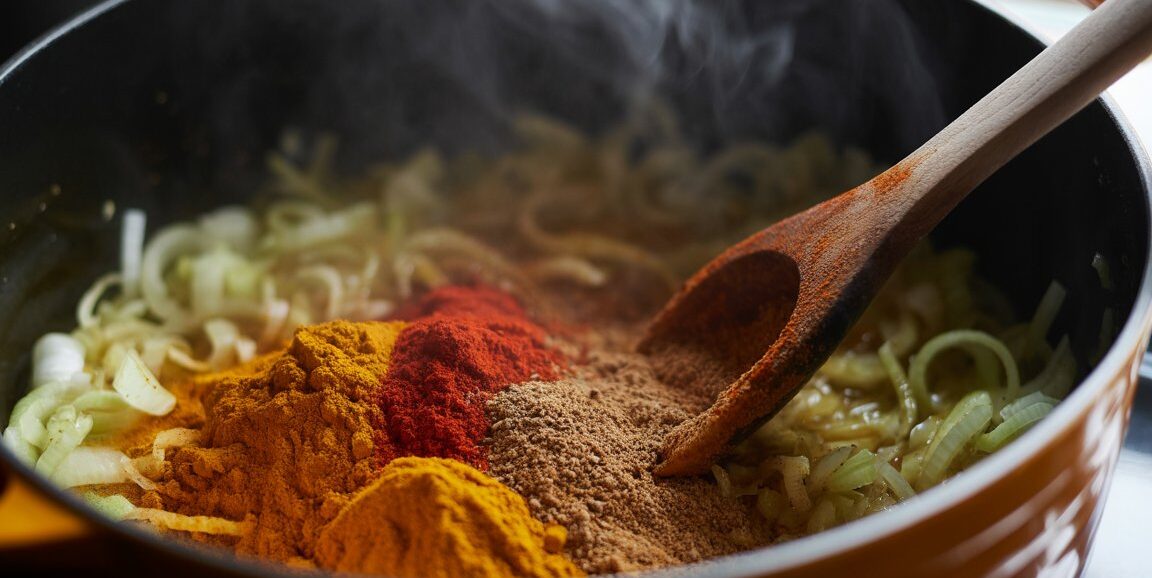
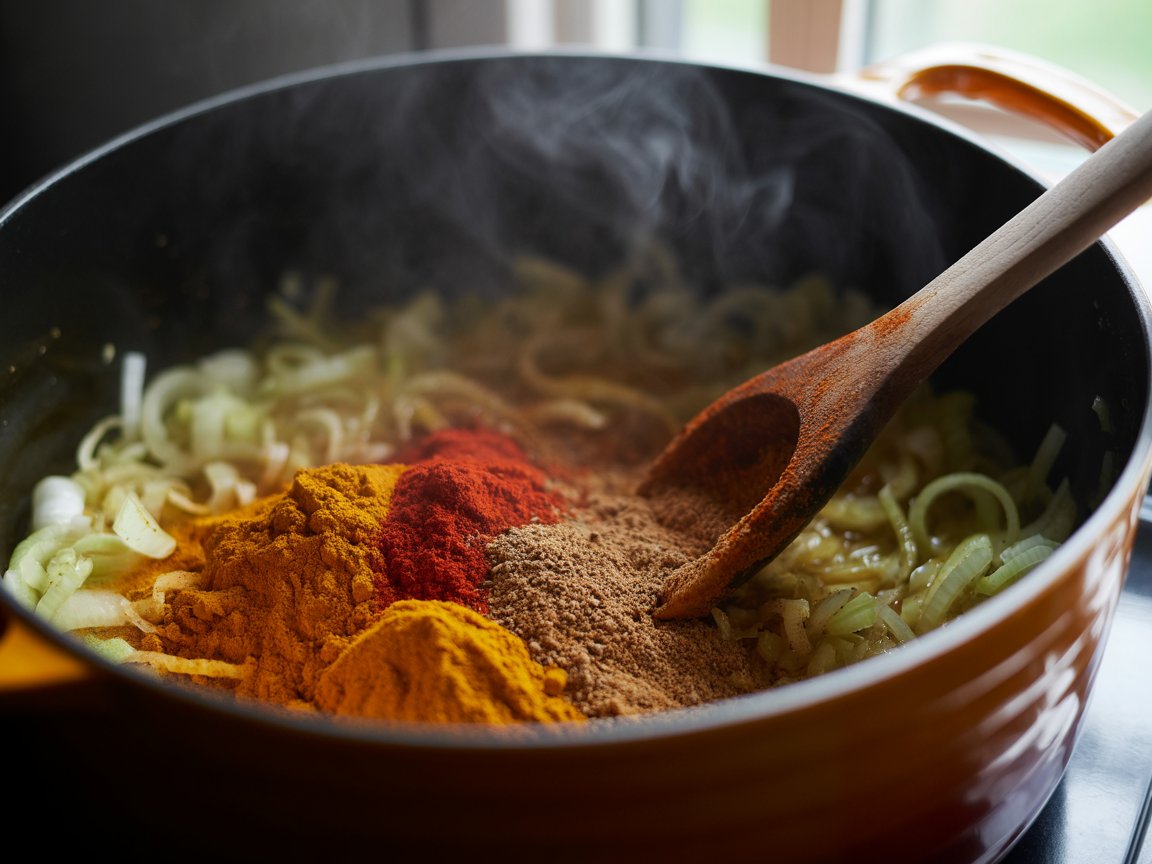
Add the cumin, coriander, turmeric, garam masala, smoked paprika, and cayenne pepper directly to the pan and stir everything together for another 60 seconds.
The spices should coat the onion mixture and smell incredibly fragrant — this step is what makes the curry deep and complex rather than flat.

Step 4: Add the Tomatoes
Pour in the can of crushed tomatoes and stir well to combine with the spiced onion base.
Increase the heat to medium-high and cook for 4–5 minutes, stirring occasionally, until the tomato mixture has darkened slightly and thickened — you want it to look almost paste-like before adding the coconut milk.
This step concentrates the tomato flavor and cooks off any raw acidity.

Step 5: Stir in Coconut Milk and Chickpeas
Reduce the heat back to medium, then pour in the full can of coconut milk and stir until the sauce is smooth, creamy, and an even deep orange color.
Add the drained chickpeas and stir to coat them thoroughly in the sauce.
Bring everything to a gentle simmer — you should see small bubbles breaking the surface but not a rolling boil.
Step 6: Simmer and Finish
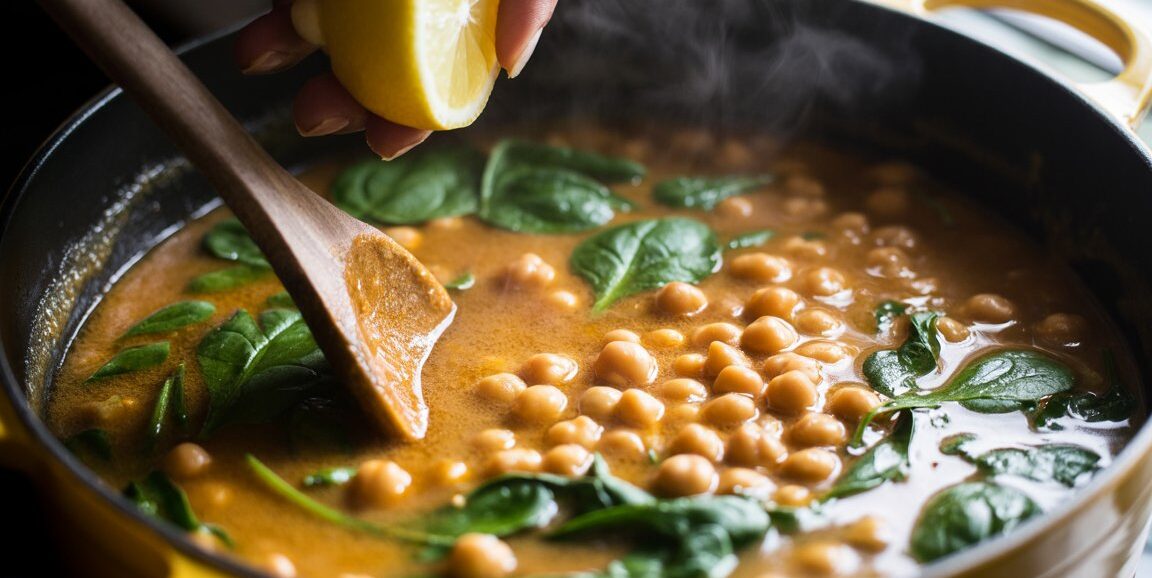
Let the curry simmer uncovered for 10–12 minutes, stirring every few minutes, until the sauce thickens to your liking and the chickpeas are heated through and have absorbed the flavors.
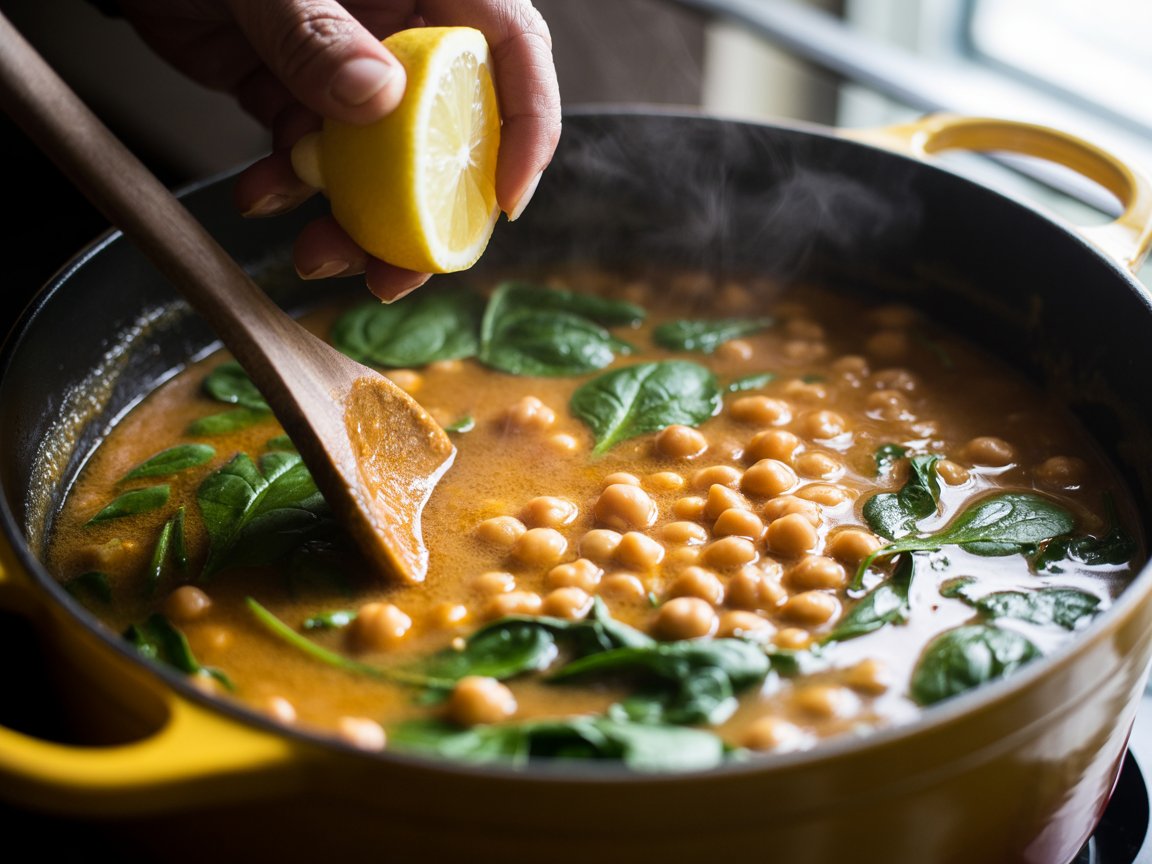
If using spinach, add it in the last 2 minutes of cooking and stir until just wilted.
Remove from heat and stir in the fresh lemon juice, then taste and adjust salt as needed — the lemon brightens everything and brings the dish together.
Step 7: Serve and Garnish
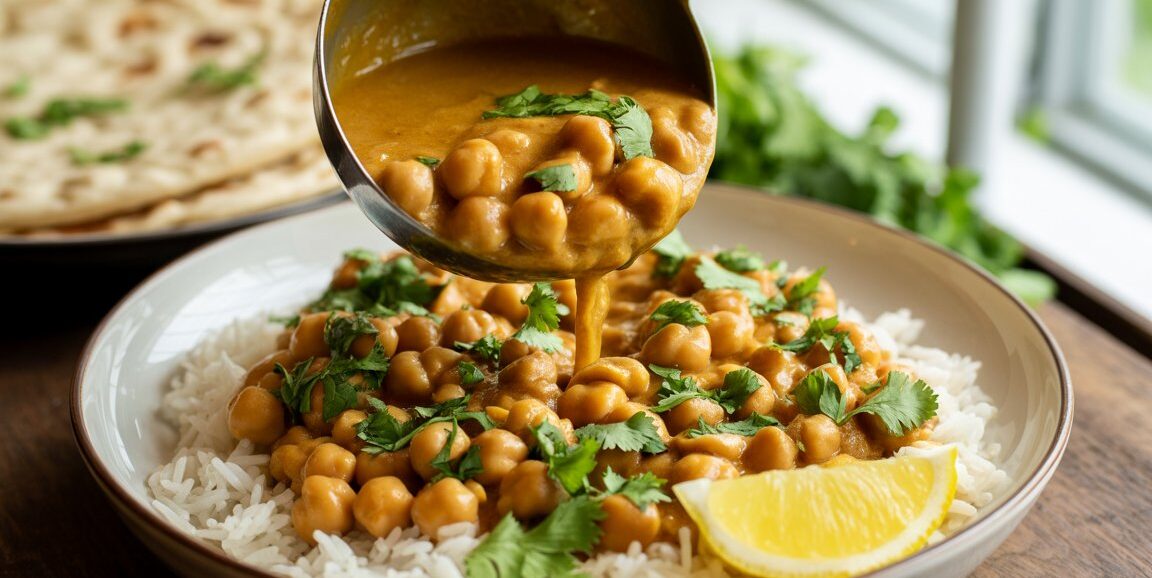
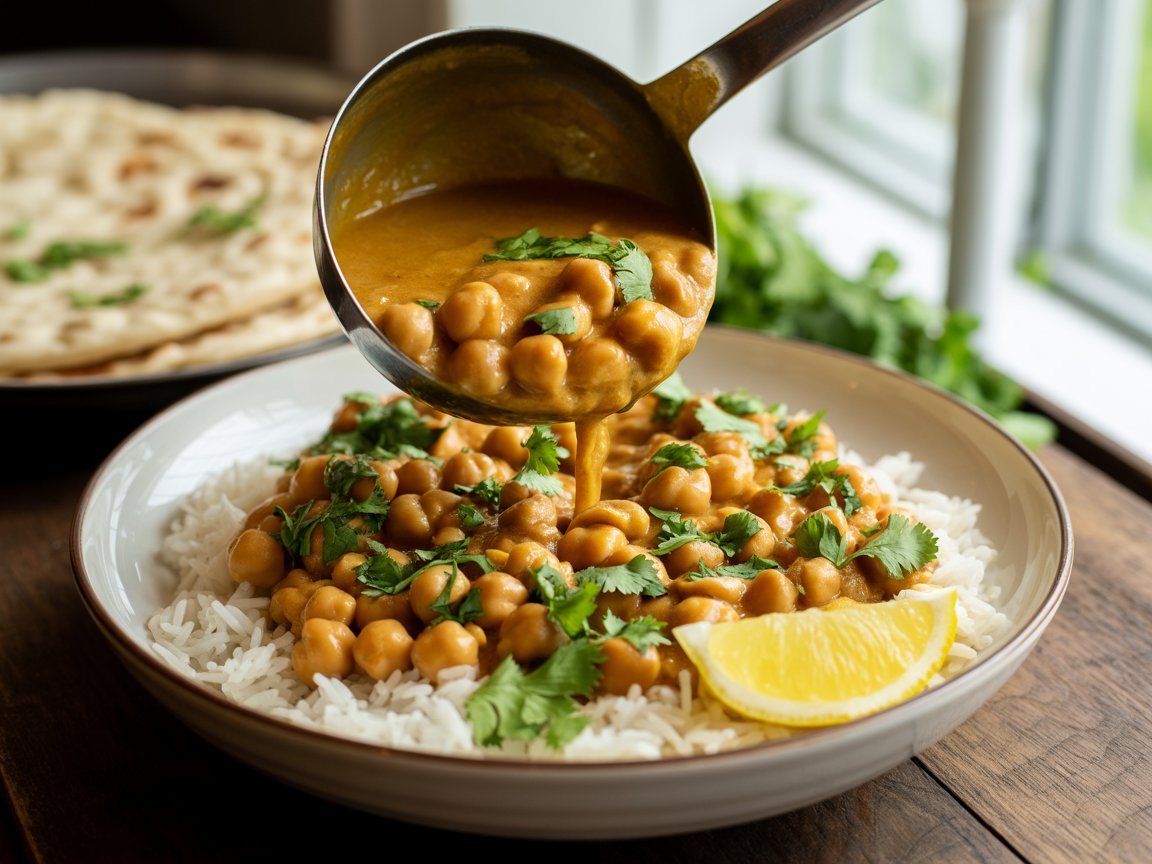
Ladle the curry into bowls over steamed basmati rice or alongside warm naan bread.
Scatter freshly chopped cilantro generously over the top — it adds a fresh, bright contrast to the rich sauce.
A wedge of lemon or lime on the side lets everyone adjust the brightness to their own taste.



Leave a Review