
Protein is the most expensive macronutrient on your grocery list — and if you’ve ever tried to meal prep for a full week on a tight budget, you already know the frustration. Your cart fills up with expensive chicken breasts and the total climbs fast. The “eat more protein” advice starts to feel impossible when the protein itself is what’s eating your budget.
Here’s what most budget protein guides get wrong: they list options without telling you the number that actually matters — cost per gram of protein. A $2 bag of lentils and a $2 handful of almonds cost the same, but the lentils deliver nearly three times as much protein per dollar. That gap is everything when you’re trying to hit your goals without overspending.
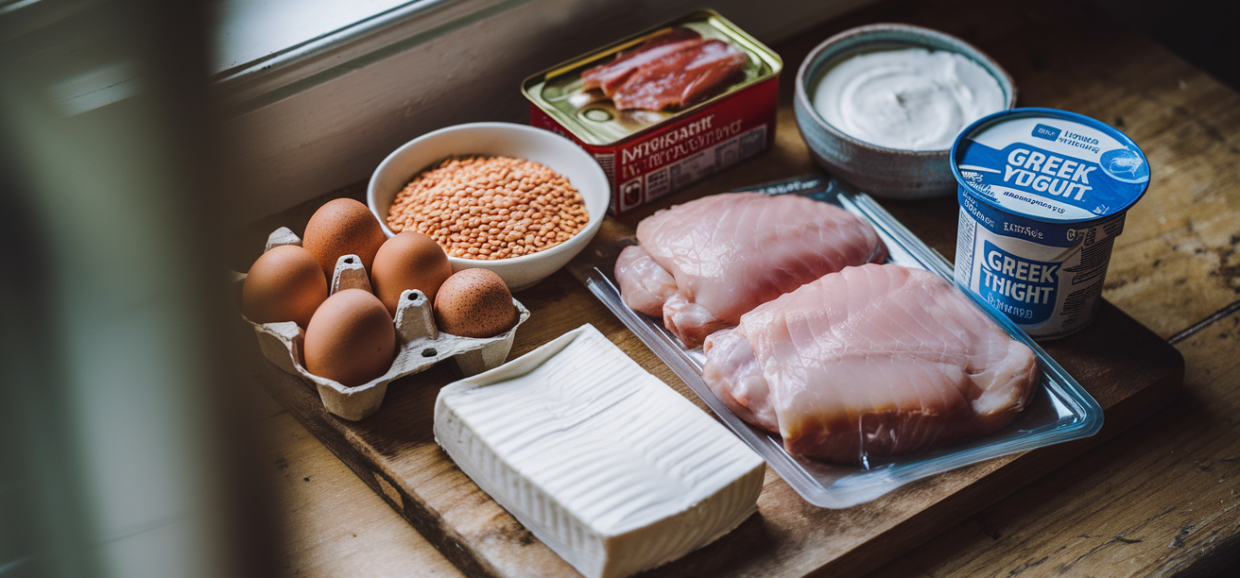
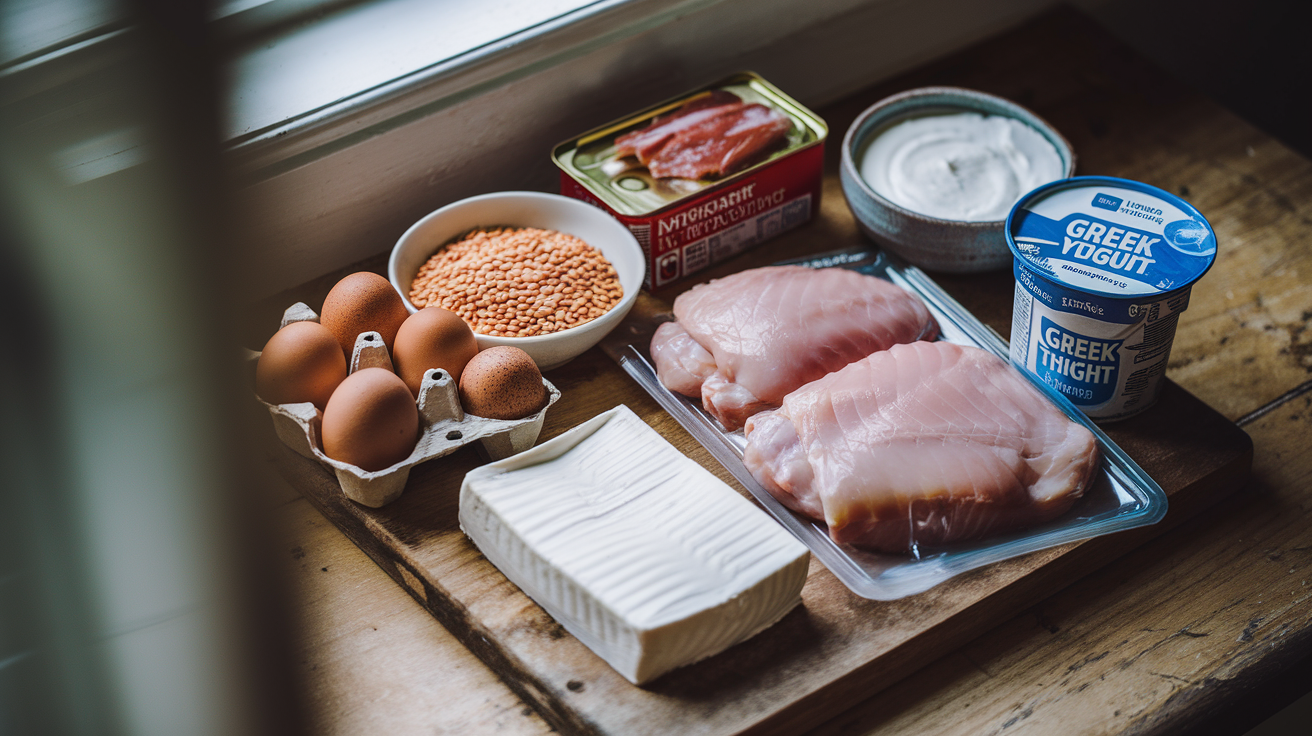
Below are the 10 cheapest proteins for meal prep on a budget, ranked by real value — not just price per pound. Each one includes an honest price estimate, a batch-cook tip you can use this Sunday, and a note on how to keep it from getting boring by day four.
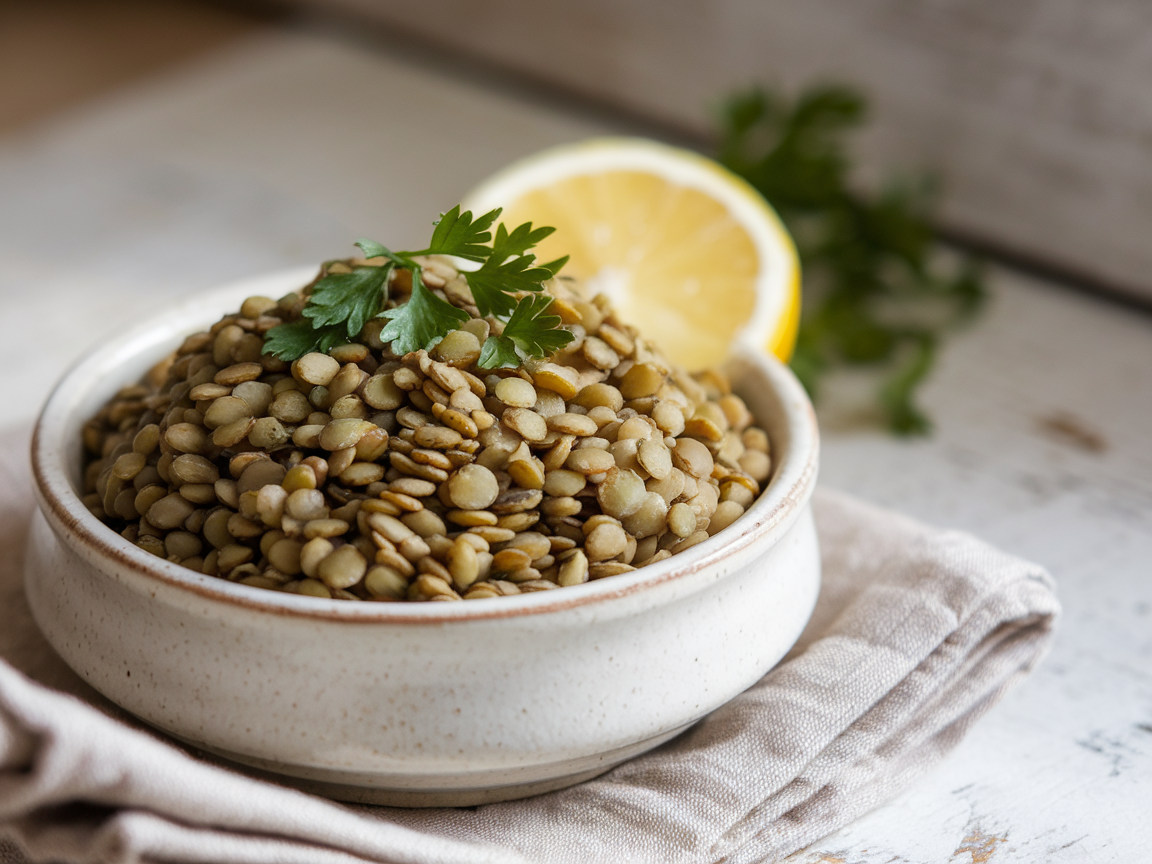
1. Dried Lentils — The Undisputed Budget King
Dried lentils cost roughly $0.08 per serving when bought in bulk — making them the single best protein value on this entire list. One cooked cup delivers 18g of protein and 40g of complex carbs, a combination that genuinely keeps you full for hours. Unlike dried beans, lentils don’t need soaking and cook from dry in just 20–25 minutes.
Batch-cook tip: Rinse a full 1-lb bag and simmer in 4 cups of water for 20 minutes with salt, garlic, and cumin. That one bag makes 6–8 servings and costs about $1.50 total. Refrigerate in portions and use all week in bowls, soups, and salads.
Flavor tip: Lentils are a blank canvas. Toss with roasted vegetables and feta for a Mediterranean bowl, or simmer with canned tomatoes and garam masala for a quick dal. Season aggressively — they absorb whatever you give them.
2. Dried Black Beans and Chickpeas — Batch Once, Eat All Week
Dried black beans and chickpeas run $0.10–0.15 per serving, compared to $0.40–0.60 for canned. That’s a 3–4x cost difference for the same food. You give up a little convenience, but one pound of dried black beans makes roughly 6 cups of cooked beans for about $1.75 total.
Batch-cook tip: Use an Instant Pot to skip the overnight soak entirely — dried beans cook in 25–30 minutes on high pressure with no prep. Cook a full pound every Sunday and refrigerate for the week. If you have canned, rinse them well — still a solid value at $0.99 a can.
Flavor tip: Black beans shine in tacos, rice bowls, and soups. Chickpeas are excellent roasted at 400°F with olive oil and smoked paprika, or blended into hummus. Neither is boring if you actually season them.
3. Eggs — The Complete Protein That Costs 25 Cents Each
At roughly $0.25 per egg (less when you buy an 18-pack), eggs deliver 6g of complete protein — meaning they contain all nine essential amino acids your body can’t make itself. That’s a protein quality that rivals expensive cuts of meat at a fraction of the cost, and they’re the most versatile ingredient on this list.
Batch-cook tip: Hard-boil a dozen at the start of the week. Place eggs in a single layer in a pot, cover with cold water, bring to a boil, then turn off the heat and let sit for 11 minutes. Transfer to an ice bath. Unpeeled, they keep in the fridge for 7 days.
Flavor tip: Slice into grain bowls, chop into salads, or eat with hot sauce for a 90-second protein snack. Scrambled eggs work as a base for almost any leftover vegetable in your fridge.
4. Canned Tuna — 22g of Protein With Zero Cooking
A standard 5-oz can of light tuna costs $1.00–1.50 and delivers 22g of protein — no cooking, no prep, no cleanup. Canned tuna is the meal prep protein that requires literally no effort, and it’s shelf-stable for 3–5 years, so stocking up when it’s on sale is always a smart move.
Batch-cook tip: There’s no cooking. Mix two cans with Greek yogurt (instead of mayo), Dijon mustard, and lemon juice for a tuna salad that stays fresh in the fridge for 4 days. It also works mixed into pasta with olive oil and capers for a 10-minute dinner.
Which to buy: Light tuna (skipjack) is cheaper and lower in mercury than albacore. Buy water-packed — you get more protein per calorie than oil-packed, and you can add your own oil if you want it.
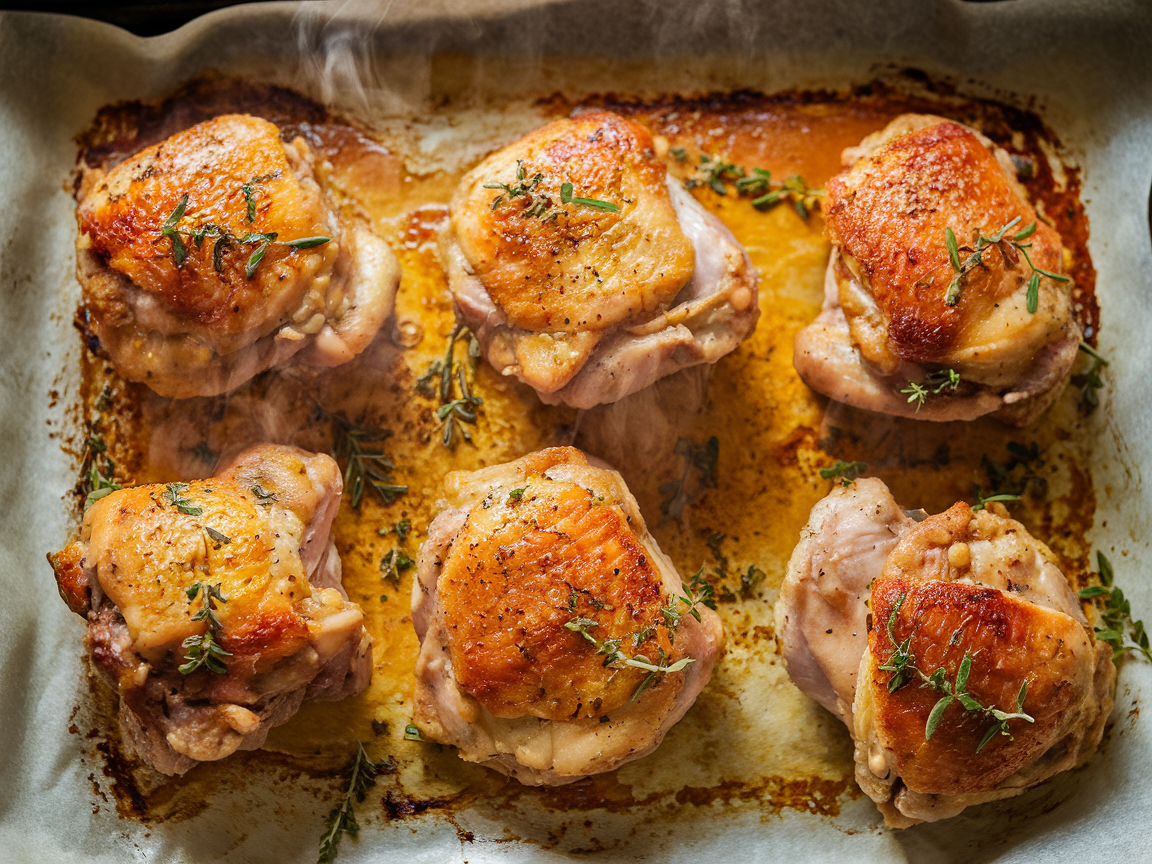
5. Frozen Chicken Thighs — More Flavor at Half the Price of Breasts
Frozen bone-in chicken thighs regularly sell for $1.50–2.00 per pound, compared to $4.00–5.00 per pound for boneless skinless breasts. The higher fat content means more flavor, more moisture, and a dramatically lower risk of drying them out during batch cooking. For meal prep, thighs are simply the better choice at any price point.
Batch-cook tip: Line a baking sheet with foil, arrange 8–10 thighs skin-side up, season generously with salt, pepper, and garlic powder, and bake at 425°F for 35–40 minutes. They reheat better than breasts — the fat keeps them moist even after a few days in the fridge.
Flavor tip: Chicken thighs hold marinades well. Use soy sauce, honey, and garlic for teriyaki, or olive oil, lemon, and oregano for a Greek prep. Both work at scale for a week of meals.
6. Canned Sardines — The Most Underrated Budget Protein on Grocery Store Shelves
Canned sardines are deeply underrated. At $1.00–1.50 per can, you get 22g of protein plus a full serving of anti-inflammatory omega-3 fatty acids — a nutritional profile that rivals expensive salmon at a tenth of the price. Most people dismiss sardines without ever actually trying them prepared correctly.
Batch-cook tip: There’s no cooking — that’s the whole point. Keep 10–12 cans in your pantry as emergency meals when your prepped food runs out. They’re shelf-stable and require zero prep.
How to eat them: Mix with Dijon mustard and fresh lemon juice over crackers or toast. Toss with pasta, cherry tomatoes, and capers for a quick dinner. The key is acid — lemon or vinegar cuts the richness and makes them far more approachable. Try them once prepared well before you decide.
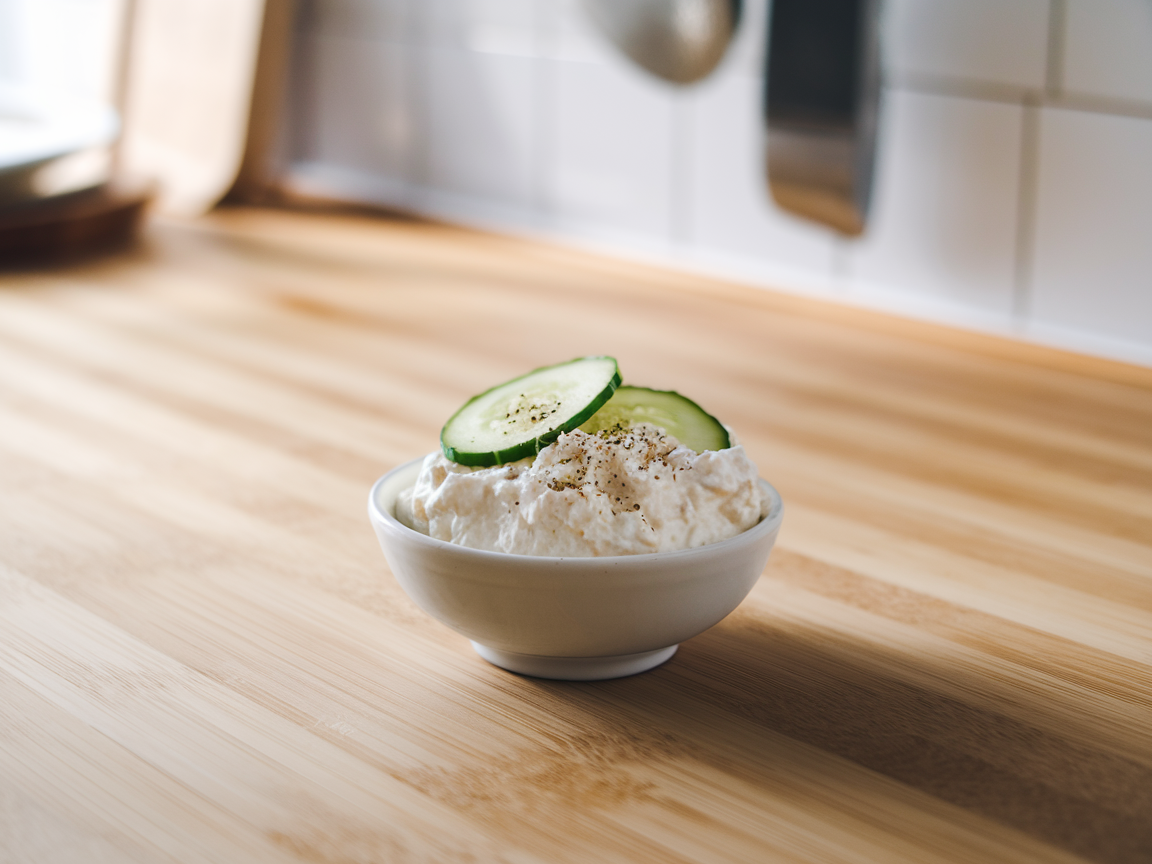
7. Cottage Cheese — 25g of Protein for About 75 Cents
A cup of cottage cheese costs roughly $0.75 and delivers 25g of protein — one of the highest protein-per-dollar ratios of any food in the grocery store. The casein protein in cottage cheese also digests slowly, which means it keeps you full longer than most other sources on this list.
Batch-cook tip: Buy plain full-fat cottage cheese in a large 24-oz or 32-oz container and portion into small containers for the week. It’s already ready to eat — no prep required. Cost per serving drops significantly when you buy the larger size.
How to use it: Eat plain with fruit or hot sauce, blend smooth into pasta sauce with garlic and parmesan, or use it as a sour cream substitute in savory cooking. It also blends invisibly into smoothies for a protein and creaminess boost without affecting the flavor.
8. Greek Yogurt — Double the Protein of Regular Yogurt at Half the Single-Serve Price
Plain Greek yogurt delivers 17–20g of protein per 3/4-cup serving at roughly $0.80–1.00 per serving when you buy full-fat in a large 32-oz container. The single-serve flavored cups cost nearly twice as much per gram of protein — buy large and flavor it yourself.
Batch-cook tip: A 32-oz container covers 4–5 servings for the week. Add your own honey, fruit, or cinnamon — you control the sugar and cut the cost significantly compared to pre-flavored varieties.
Hidden use: Greek yogurt works as a sour cream substitute in tacos, dips, and baked goods. It also acts as a tenderizing marinade for chicken — the lactic acid breaks down the proteins and makes the meat noticeably more tender and juicy after roasting.
9. Firm Tofu — The Cheapest Complete Plant Protein
Firm tofu costs $0.50–0.75 per serving and delivers 10g of complete protein — the most affordable complete plant-based protein available. Tofu has a reputation for being bland, but that’s a preparation problem, not a tofu problem. Prepared correctly, it’s genuinely good.
Batch-cook tip: Press the tofu dry with paper towels, cube it, and freeze overnight. Freezing creates a spongier, chewier texture that soaks up marinades dramatically better than fresh tofu. After thawing, marinate for 30 minutes and bake at 400°F for 25–30 minutes.
Flavor tip: Tofu needs a strong marinade. Try soy sauce, sesame oil, garlic, and a splash of rice vinegar for an Asian prep, or smoked paprika and cumin for something more savory. Don’t skip pressing — moisture is the enemy of good tofu texture and a crispy exterior.
10. Ground Turkey — The Budget Ground Meat Worth Keeping in Rotation
Ground turkey runs $2.00–2.50 per pound — more expensive per pound than legumes or eggs, but considerably cheaper than lean ground beef ($4.00–5.00/lb) with nearly identical protein content. One pound of 93% lean ground turkey gives you roughly 22g of protein per 4-oz cooked serving.
Batch-cook tip: Brown 2 full pounds at once with diced onion, garlic, salt, pepper, and your seasoning of choice. Split into portions and refrigerate for use in tacos, pasta sauce, rice bowls, and stuffed peppers throughout the week. Cooked ground turkey keeps for 4 days.
Budget tip: Watch for sales and buy in bulk, then freeze in 1-lb portions. Thaw overnight in the fridge — it cooks identically to fresh and costs significantly less when bought on deal.
The Combo Strategy: Spend Under $1 per Meal and Still Hit Your Protein Goals
The real unlock for budget meal prep is combining proteins. Pairing a cheap plant protein with a small amount of animal protein creates a complete amino acid profile for under $1 per meal — and keeps your meals from getting monotonous.
Example combo 1: 1/2 cup cooked lentils ($0.05) + 1 scrambled egg ($0.25) + rice ($0.10) + frozen spinach ($0.20) = 15g protein for about $0.60 per meal.
Example combo 2: 1/4 cup cottage cheese ($0.20) stirred into cooked oats ($0.10) + 1 hard-boiled egg ($0.25) on the side = 22g protein for about $0.55.
This strategy rotates flavors while keeping costs minimal — the core principle behind any sustainable meal prep routine for the week. You don’t need expensive ingredients. You need the right combinations.
Frequently asked questions
What is the cheapest protein food per gram of protein?
Dried lentils and dried black beans consistently deliver the most protein per dollar spent — roughly $0.01–0.02 per gram of protein. Eggs and canned tuna are close behind. If you’re measuring purely by cost per gram of protein, dried legumes beat almost every animal protein at typical grocery store prices.
Is canned tuna good for meal prep?
Yes — canned tuna is one of the best no-cook meal prep proteins available. Mix it with Greek yogurt, Dijon mustard, and lemon for a tuna salad that keeps for 4 days. Stock 10+ cans for backup meals. Light (skipjack) tuna is cheaper and lower in mercury than albacore, and water-packed gives you more protein per calorie.
Are eggs a good protein for meal prep?
Hard-boiled eggs are excellent for meal prep — portable, shelf-stable for 7 days unpeeled, and roughly $0.25 each. Batch-cook a dozen at the start of the week and you have an easy grab-and-go protein source ready immediately. They work as snacks, salad toppings, or bowl additions without any reheating needed.
What protein can I meal prep on a very tight budget?
Start with dried lentils — a $1.50 bag makes 6–8 servings of 18g protein each and cooks in 20 minutes. Add eggs and canned tuna for variety and coverage across the week. That combination covers your protein needs for most of the week for under $5 total. Ground turkey or chicken thighs round it out when you want something more substantial.
Your $30/Week Protein Plan Starts Here
The cheapest proteins for meal prep on a budget aren’t just affordable — they’re genuinely good when prepared well. Start with dried lentils and eggs as your base, add canned tuna for zero-effort meals, and rotate in frozen chicken thighs when you want something more satisfying. You don’t need to spend $50 on protein to eat well and hit your goals. For full meals built around these proteins, browse our easy weeknight dinners under $5 — every recipe is built with the same principle in mind: maximum flavor, minimal spend.