
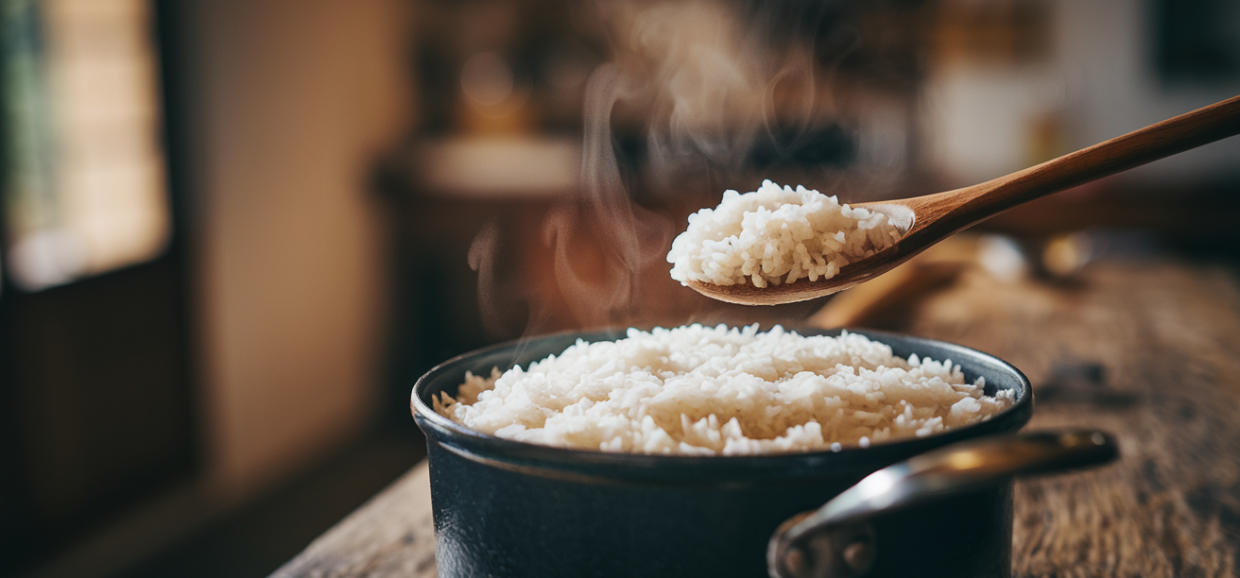
Rice is one of those ingredients that’s supposed to be simple — a few cups of water, some heat, and dinner is handled. But when the pot comes off the stove and you lift the lid to find a sticky, mushy blob staring back at you, “simple” is the last word you’d use. If your rice comes out mushy every single time, you’re not doing something hopelessly wrong. There are three very specific reasons this happens, and fixing all of them is easier than you think.
The frustrating part is that why does my rice come out mushy has a real, concrete answer — not vague advice like “just cook it less” or “try different rice.” The causes are specific, the fixes are repeatable, and once you understand what’s actually going on inside that pot, you’ll never have another batch of gummy, overhydrated rice again.
Let’s start with the most common culprit — and the one almost nobody talks about.
The #1 Reason Rice Gets Mushy: Too Much Water
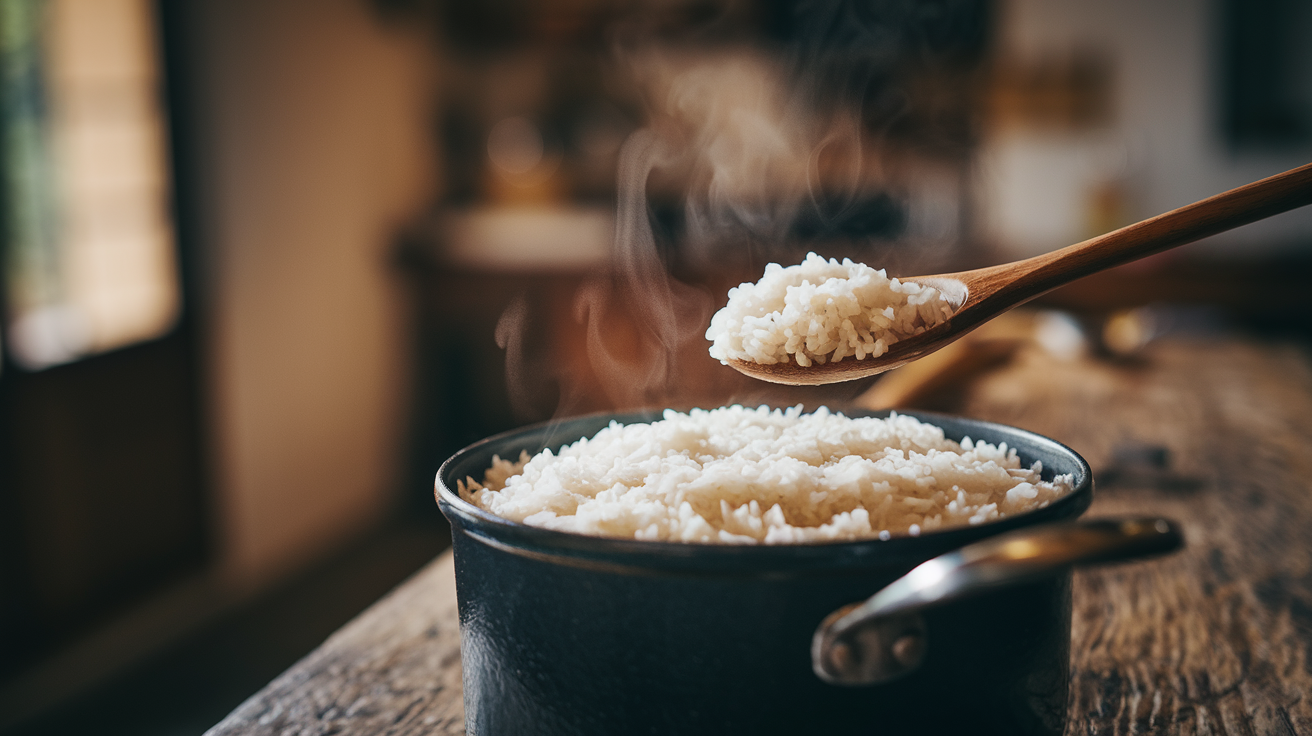
Too much water is the single most common reason rice turns mushy — and the one that trips up even experienced home cooks, because they’re following the package instructions. Here’s the problem: most rice packages tell you to use a 1:2 ratio, one cup of rice to two cups of water. That ratio almost always produces overcooked, sticky rice on a standard stovetop burner.
The correct ratio for white rice is 1 cup rice to 1¾ cups water. A quarter cup less than what the bag says, and the texture difference is enormous. The reason this matters so much is straightforward: rice absorbs every drop of water you give it. Give it too much, and the grains become waterlogged and soft. Give it the right amount, and they cook through evenly and stay separate.
Different rice types need different ratios, and this is where a lot of home cooks get tripped up. White rice, brown rice, jasmine, and basmati each absorb water at different rates. Using white rice ratios for brown rice will consistently underperform — and vice versa. The cheat sheet below has the exact numbers for each type. But if you remember just one thing from this article: always measure the water. Eyeballing it is the single biggest source of inconsistency in home rice cooking.
Reason #2: You Didn’t Rinse the Rice
Before rice even hits the boiling water, the grains are coated in surface starch — a fine, powdery film that accumulates during milling and storage. When that starch-coated rice hits the cooking liquid, the starch dissolves and turns into a thick paste. That paste is what makes grains clump together and creates the gluey, mushy texture that ruins an otherwise straightforward meal.
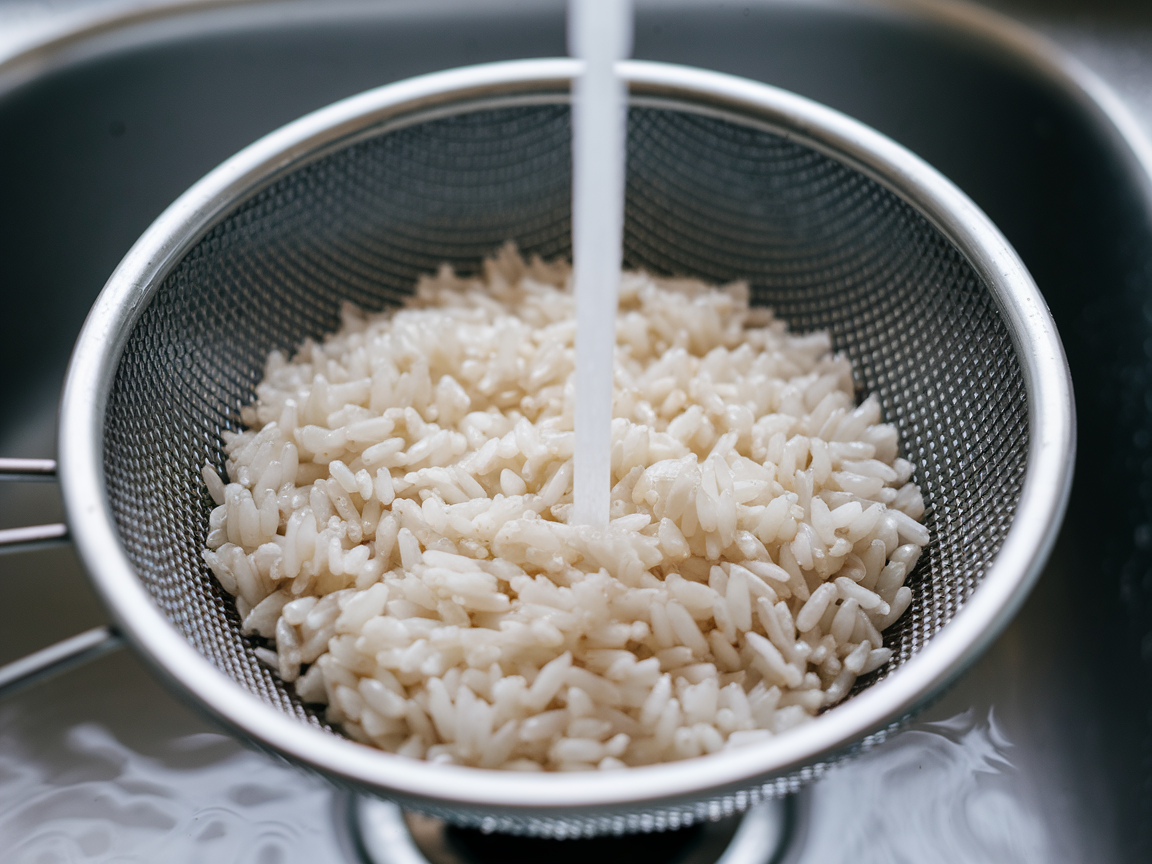
The fix takes 60 seconds. Rinse your rice in a fine mesh strainer under cold running water until the water runs clear. The first stream will be milky and opaque — that’s the surface starch washing away. Keep rinsing until the water is nearly transparent. At that point, most of the excess starch is gone, and your grains will cook up separate and fluffy instead of sticky and clumped.
Two important exceptions: sushi rice intentionally keeps its starch — that’s what makes it sticky enough to hold together. Risotto rice (like Arborio) also deliberately retains starch to create its creamy texture. Don’t rinse those. For everything else — white rice, brown rice, jasmine, basmati — rinsing is non-negotiable if you want a proper, separated texture.
Reason #3: You Lifted the Lid (Or Stirred It)
Rice doesn’t just cook in the boiling water — it finishes cooking in the steam that builds up under the lid after the water is absorbed. That trapped steam is doing critical work in the final minutes. When you lift the lid to check on it, or stir it mid-cook, you release exactly the steam the rice needs to finish evenly.
The result is textural chaos: the outer layers of the grains get overcooked and go mushy while the centers stay undercooked. The overall texture ends up waterlogged and gummy even when the water ratio was perfectly correct.
The rule is strict: once you reduce the heat after the initial boil, don’t touch the lid for the full cook time. For white rice, that’s 18 minutes. For jasmine and basmati, 15. For brown rice, 45. Set a timer, walk away, and trust the process. When the timer goes off, remove the pot from heat, leave the lid on, and let it sit for 5 more minutes. That rest lets the remaining steam finish the job without overcooking the top layer. Then fluff with a fork and serve.
Stirring creates the same problem. Rice is not pasta — agitating the grains releases starch and produces the clumpy, sticky texture you’re trying to avoid. Once the lid goes on after the boil, it stays on.
My Rice Is Already Mushy — Can I Fix It?
If you’re reading this with a pot of mushy rice in front of you right now: yes, there’s a rescue method. It won’t make the rice perfect, but it can save the batch.
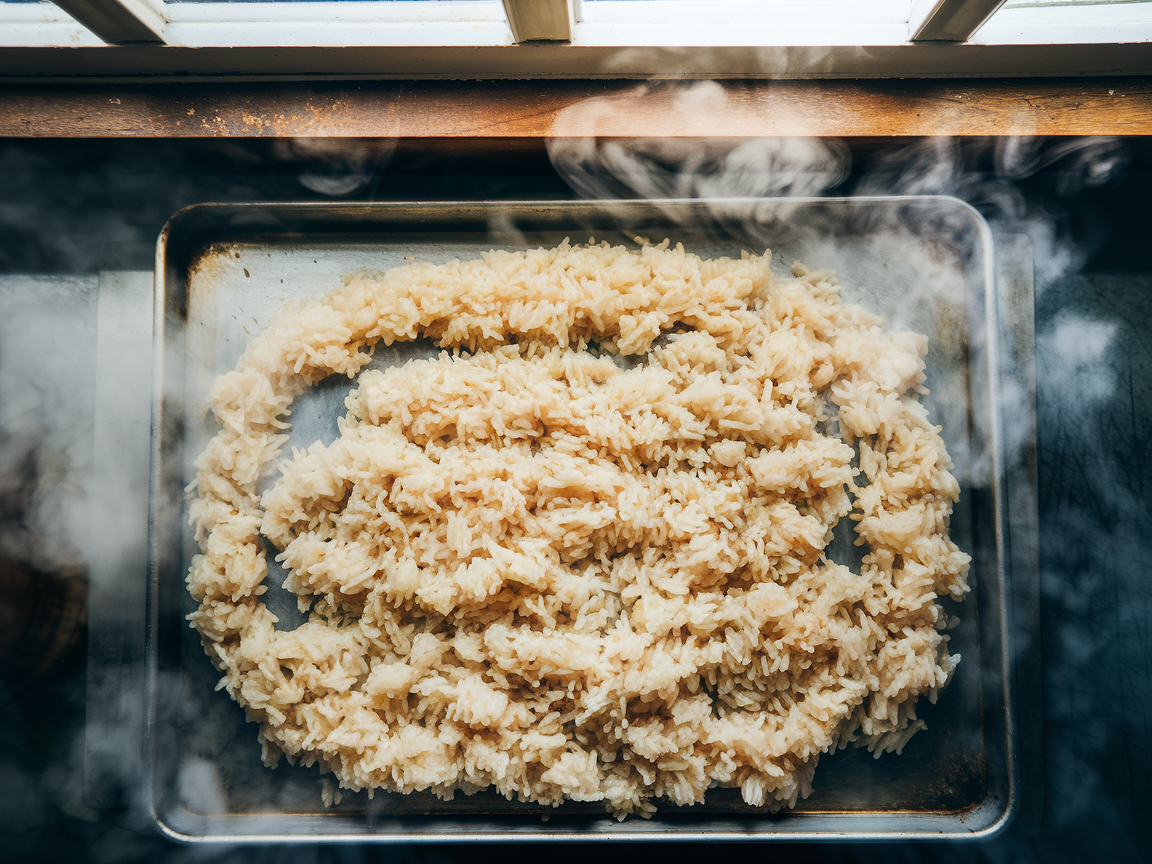
If it’s still on the stove and too wet: spread it in a thin, even layer on a metal baking sheet and place it in a 300°F oven for 5 minutes. The oven heat will evaporate the excess moisture without adding more cooking. Check at the 5-minute mark — you want it dry, not crunchy.
If it’s slightly too wet but not fully mushy: place a folded paper towel between the pot and the lid. The paper towel absorbs excess steam without fully releasing it, drawing moisture away from the top layer. Leave it 5 minutes with the heat off.
If it’s very mushy: don’t throw it out. Mushy rice is ideal for a few things. Stir-fry it in a hot pan with oil, soy sauce, garlic, and an egg for quick fried rice — the extra heat dries it out and the sticky texture actually works perfectly. Or turn it into congee with chicken broth and ginger. Or use it as a base for simple rice pudding.
That said: prevention always beats rescue. Get the ratio right, rinse the rice, and leave the lid alone, and you won’t need any of these workarounds.
The Rice Ratio Cheat Sheet
Save this or screenshot it. These are the correct water ratios and cook times for the four most common rice types on a standard gas or electric burner at medium-low heat after the initial boil:
| Rice Type | Rice | Water | Cook Time |
|---|---|---|---|
| White rice | 1 cup | 1¾ cups | 18 min |
| Brown rice | 1 cup | 2¼ cups | 45 min |
| Basmati | 1 cup | 1½ cups | 15 min |
| Jasmine | 1 cup | 1¾ cups | 15 min |
All cook times are covered (lid on, heat at low-medium-low), followed by a 5-minute rest off the heat before fluffing with a fork. These ratios assume you’ve rinsed the rice first and are using a pot with a tight-fitting lid. If your burner runs hot, reduce the water by 2 tablespoons per cup. If your rice consistently comes out dry, add 2 tablespoons more. Minor adjustments for your specific stove are normal — but the ratios above are the right starting point.
Frequently Asked Questions
Why is my rice sticky even after rinsing?
Rinsing removes surface starch, but if the water ratio is too high, the grains still absorb more water than they can hold — which produces mushy, sticky texture no matter how well you rinsed. Check your ratio first (1 cup white rice to 1¾ cups water, measured precisely), then rinse until the water runs clear. If both are correct and the rice is still sticky, try reducing the water by 2 tablespoons next time.
Should I use a lid when cooking rice on the stove?
Always. Rice needs the steam that builds up under the lid to finish cooking after the water is absorbed. Cooking uncovered evaporates too much liquid too fast, leaving you with undercooked, dry rice — or forcing you to add more water mid-cook, which resets the whole problem. Keep the lid on from the moment you reduce heat until the 5-minute rest is complete.
What’s the best pot to cook rice in?
A heavy-bottomed pot with a tight-fitting lid is ideal. Cast iron or enameled cast iron hold heat evenly and minimize hot spots that can scorch the bottom layer. A 2-quart saucepan with a snug lid works well for 1 to 2 cups of dry rice. Avoid thin pots — they create uneven heat that produces overcooked edges and undercooked centers in the same batch.
Can I make rice without a rice cooker?
Absolutely. A rice cooker is convenient, but the stovetop method produces equally good rice when the ratio, rinsing, and lid rules are followed consistently. The advantage of a rice cooker is that it eliminates human error by monitoring moisture loss automatically. On the stovetop, you’re managing those variables manually — which is exactly why the water ratio and the hands-off approach matter so much.
Why does restaurant rice never come out mushy?
Restaurant kitchens rinse obsessively, use precisely calibrated water ratios, and cook rice in large batches with commercial steamers or professional rice cookers that hold tight temperature control. At home, the single biggest gap is almost always the water ratio — most home cooks add too much because they trust the package. Fix the ratio first, and you’ll immediately close most of the gap between home rice and restaurant rice.
Three Steps to Perfect Rice, Every Time
If your rice keeps coming out mushy, the answer to why does my rice come out mushy is almost certainly one of three things: too much water, skipping the rinse, or lifting the lid. Fix all three in one session and you’ll see the difference immediately. Rinse until the water runs clear. Measure 1¾ cups of water per cup of white rice. Set a timer, keep the lid on, and walk away. Repeat those three steps until they’re automatic — which only takes a few batches.
For more kitchen fundamentals that actually make a difference, explore our full library of cooking tips. And once your rice is consistently perfect, it’s the foundation for a whole range of weeknight meals — browse our dinner recipes to put it to work tonight.