
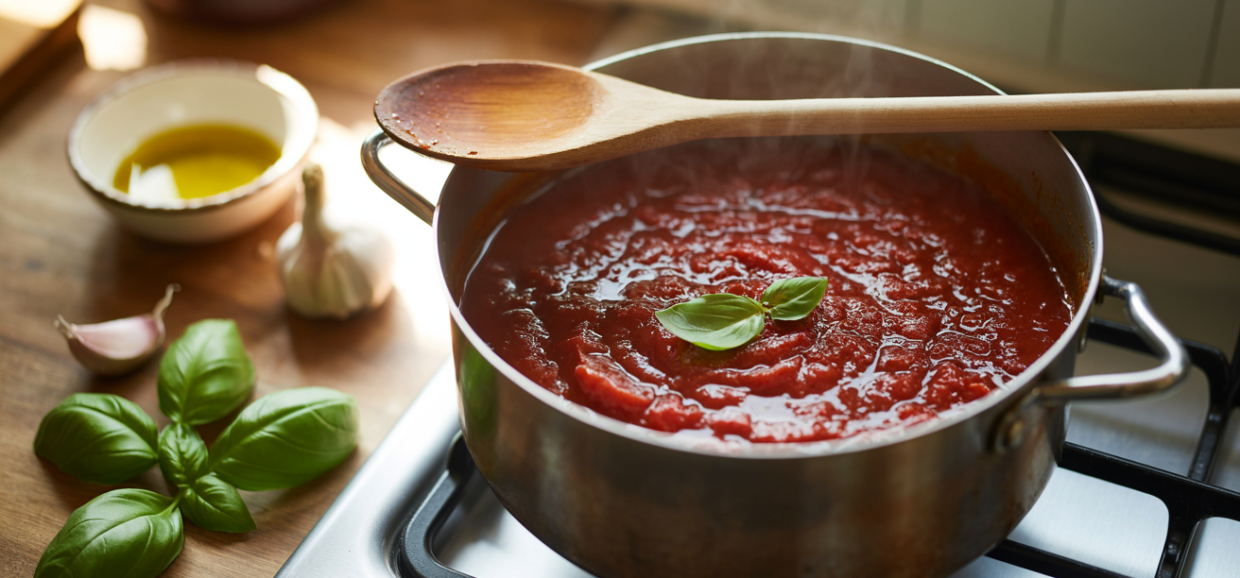
There’s a reason some pasta sauces taste like they’ve been simmering in an Italian grandmother’s kitchen all day — and it’s not just time. It’s technique. The difference between a flat, forgettable tomato sauce and one that makes you close your eyes and sigh comes down to a handful of smart, intentional moves that stack flavor on top of flavor. The good news? You don’t need a culinary degree or a pantry full of exotic ingredients to pull it off.
Whether you’re working with a humble can of crushed tomatoes on a Tuesday night or building something special for weekend guests, these ten flavor-building strategies will completely transform your pasta sauce game. We’re talking deeper complexity, better balance, and that elusive restaurant-quality depth that makes people ask, “What’s your secret?” Let’s get into it.
1. Start with a Proper Soffritto Base
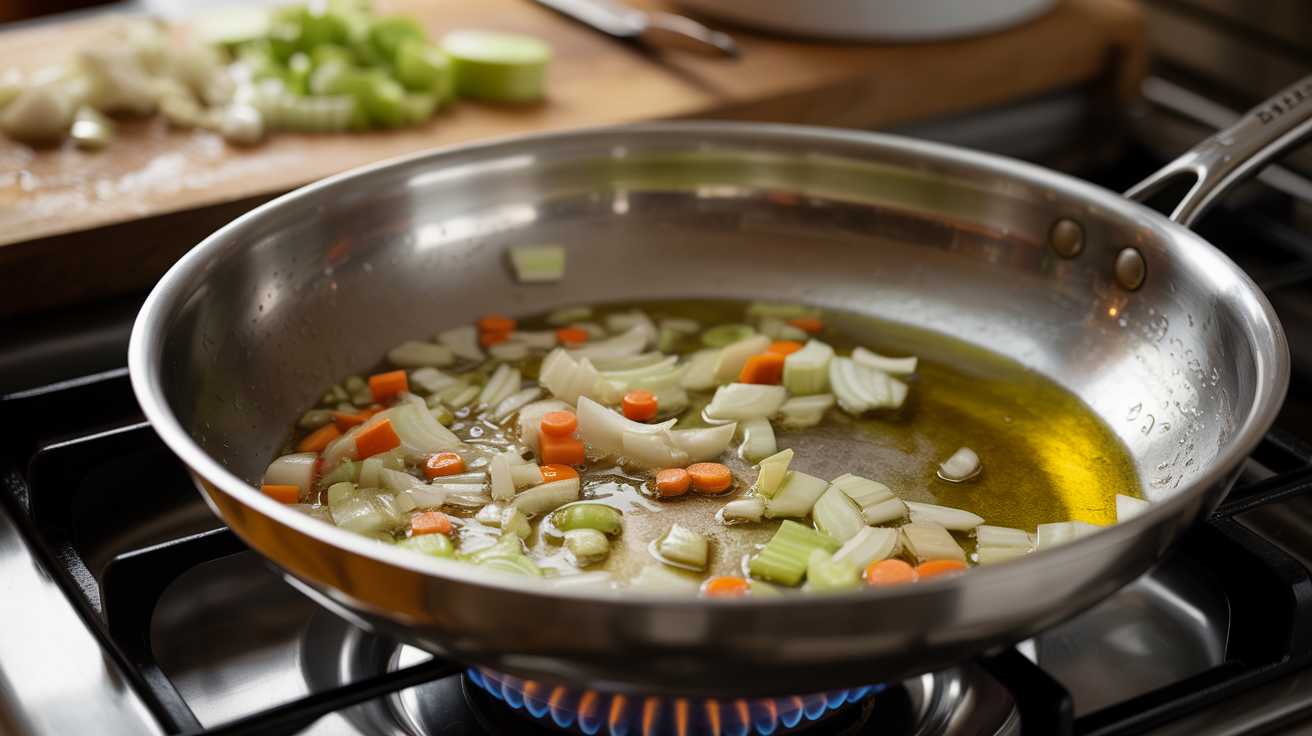
If there’s one non-negotiable foundation for a great pasta sauce, it’s this: don’t skip the soffritto. That’s the Italian term for slowly sautéed aromatics — typically onion, carrot, and celery cooked down in olive oil over medium-low heat for at least 10 to 15 minutes. The goal isn’t to brown them but to soften them until they’re almost melting, sweet, and fragrant. This base creates an invisible flavor scaffold that supports everything you add on top.
Most people rush this step, cranking the heat to get things moving faster. That’s a mistake. Low and slow allows the natural sugars in the vegetables to caramelize gently and the cell walls to break down completely, releasing their full flavor potential into the oil. That infused oil then becomes the medium in which all your other flavors develop. Think of it as laying the concrete before you build the house.
If you’re short on time or keeping things super simple, even just onion and a pinch of salt cooked low and slow for 12 minutes will make a world of difference compared to a quick two-minute sauté. The carrot brings sweetness that balances tomato’s acidity, and the celery adds a savory, almost mineral depth you can’t quite put your finger on — but you’d definitely notice if it were missing.
2. Bloom Your Garlic Properly
Garlic is one of the most powerful flavor tools in your pasta sauce arsenal, but it’s shockingly easy to mess up. Raw garlic is sharp and pungent. Burnt garlic is bitter and unpleasant. But garlic that’s been cooked gently in oil at around 250–275°F for about 60 to 90 seconds? That’s where the magic lives. It becomes nutty, sweet, and deeply savory without any harsh bite.
The key is adding garlic after your soffritto is already softened, then letting it bloom in the residual heat of the pan. Push your vegetables to the sides, add a small drizzle of fresh olive oil to the center, and add your minced or thinly sliced garlic. Stir constantly and pull back the heat if needed. The moment it turns golden and fragrant — not brown — you’re ready to move on.
Want to take garlic flavor even further? Try using it two ways: bloomed fresh garlic for brightness and a spoonful of roasted garlic paste for deep, caramelized sweetness. Our Roasted Garlic and Parmesan Cream Sauce shows exactly how transformative properly handled garlic can be — that slow-roasted sweetness adds a completely different dimension than fresh garlic alone.
3. Add Tomato Paste Before Your Tomatoes
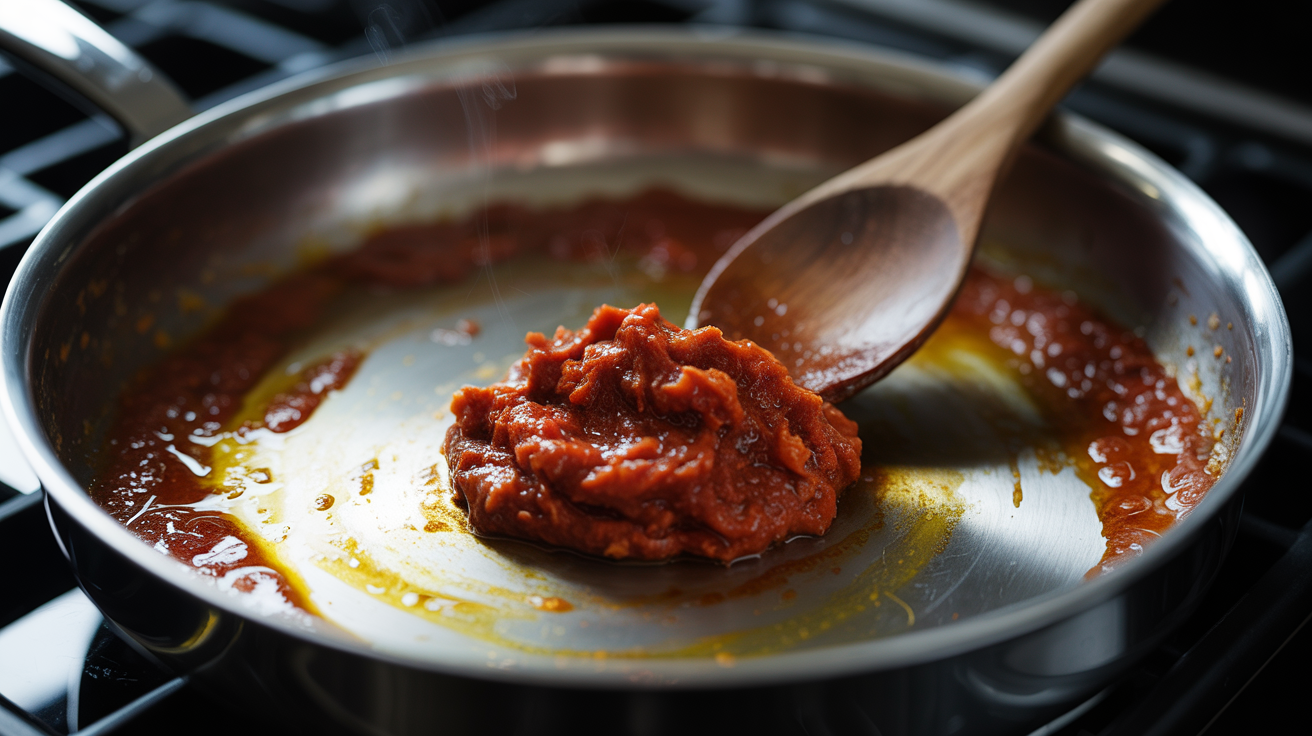
Tomato paste is essentially ultra-concentrated tomato flavor, but if you add it straight into a saucy liquid, you’re missing half its potential. The real trick is to push your soffritto and garlic to the sides of the pan, drop one to two tablespoons of tomato paste directly onto the hot center of the pan, and let it cook undisturbed for about 90 seconds to 2 minutes before stirring. This process is called “toasting” the paste, and it’s a game-changer.
When tomato paste hits direct heat, the sugars caramelize and the flavor compounds concentrate and deepen through the Maillard reaction — the same browning chemistry that makes seared meat and toasted bread taste so complex. The paste will shift from a bright red to a darker brick-red color, and you’ll smell a distinctly rich, almost sweet-savory aroma. That’s your signal it’s ready.
Once it’s toasted, stir it into your aromatics and let everything mingle for another 30 seconds before adding your crushed tomatoes or whatever liquid is coming next. This single step adds what many cooks describe as weeks of extra simmering time in terms of depth and richness. It costs you three extra minutes and literally nothing else.
4. Deglaze with Wine (Or Another Acid)
After you’ve built up all those gorgeous browned and caramelized bits in the bottom of your pan, don’t let them go to waste. That fond — the sticky, dark residue coating the pan — is pure concentrated flavor, and deglazing is how you capture it. Pour in about a quarter cup of dry red wine (for a tomato-based sauce) or dry white wine (for a cream or oil-based sauce) and immediately start scraping the bottom of the pan with a wooden spoon. Watch those browned bits dissolve right into the liquid.
The alcohol in the wine also plays a chemical role beyond just deglazing: it helps extract fat-soluble flavor compounds from your aromatics that water alone can’t reach. That’s why wine-braised sauces have such remarkable complexity compared to those made without it. Let the wine reduce by about half before adding your main liquid — this cooks off the raw alcohol bite and concentrates the wine’s fruity, acidic contribution.
Not cooking with alcohol? A splash of good-quality red wine vinegar, sherry vinegar, or even a squeeze of lemon juice can serve a similar acid-brightening and deglazing function. The key is adding some form of acid early in the process to help lift the pan and balance the eventual richness of your finished sauce.
5. Season in Layers, Not All at Once
One of the most common pasta sauce mistakes is seasoning only at the end. When you salt your sauce only once it’s done, the salt sits on top of the flavor rather than being woven throughout it. Seasoning in layers — a little salt at each major stage of cooking — means every ingredient gets properly seasoned as it cooks, building a more cohesive, well-rounded flavor profile from the ground up.
Salt your onions when they first hit the pan. It helps them sweat and soften faster while seasoning the base. Add a pinch when your tomatoes go in. Taste and adjust as the sauce reduces. Each addition allows the salt to interact with the food at different stages of its cooking process, enhancing flavors rather than just making things taste salty. This is a fundamental principle of professional cooking that home cooks often overlook.
Beyond salt, layering other seasonings matters too. Add dried herbs like oregano or thyme early so they have time to hydrate and bloom in the sauce. Add fresh herbs like basil or parsley off the heat at the very end to preserve their bright, volatile aromatics. And don’t underestimate a tiny pinch of sugar added midway through to balance acidity — it’s not about making the sauce sweet, it’s about harmony.
6. Let It Actually Simmer (Low and Slow)
Time is a flavor ingredient. There’s a reason traditional Italian Sunday gravy simmers for three or four hours — the extended heat allows flavors to meld, deepen, and round out in ways that 20 minutes simply can’t replicate. During a long simmer, acids mellow, sugars caramelize slowly, and everything becomes more integrated and complex. The sauce transforms from a collection of separate ingredients into something that tastes unified and complete.
You don’t always have time for a three-hour simmer on a weeknight — but even 45 minutes to an hour at a bare simmer (small bubbles breaking the surface occasionally, not a rolling boil) makes a dramatic difference over a 20-minute sauce. Keep the heat at around 180–190°F and stir occasionally. If it starts to get too thick too fast, add a splash of pasta water or stock to loosen it up without diluting flavor.
If you’re really pressed for time, try a pressure cooker or Instant Pot. Thirty minutes under high pressure can replicate the flavor development of a two-hour stovetop simmer, because the higher temperature accelerates the Maillard reaction and flavor-melding process. It’s not identical, but it’s a genuinely impressive shortcut that beats rushing a stovetop sauce every single time.
7. Use Pasta Water Like Liquid Gold
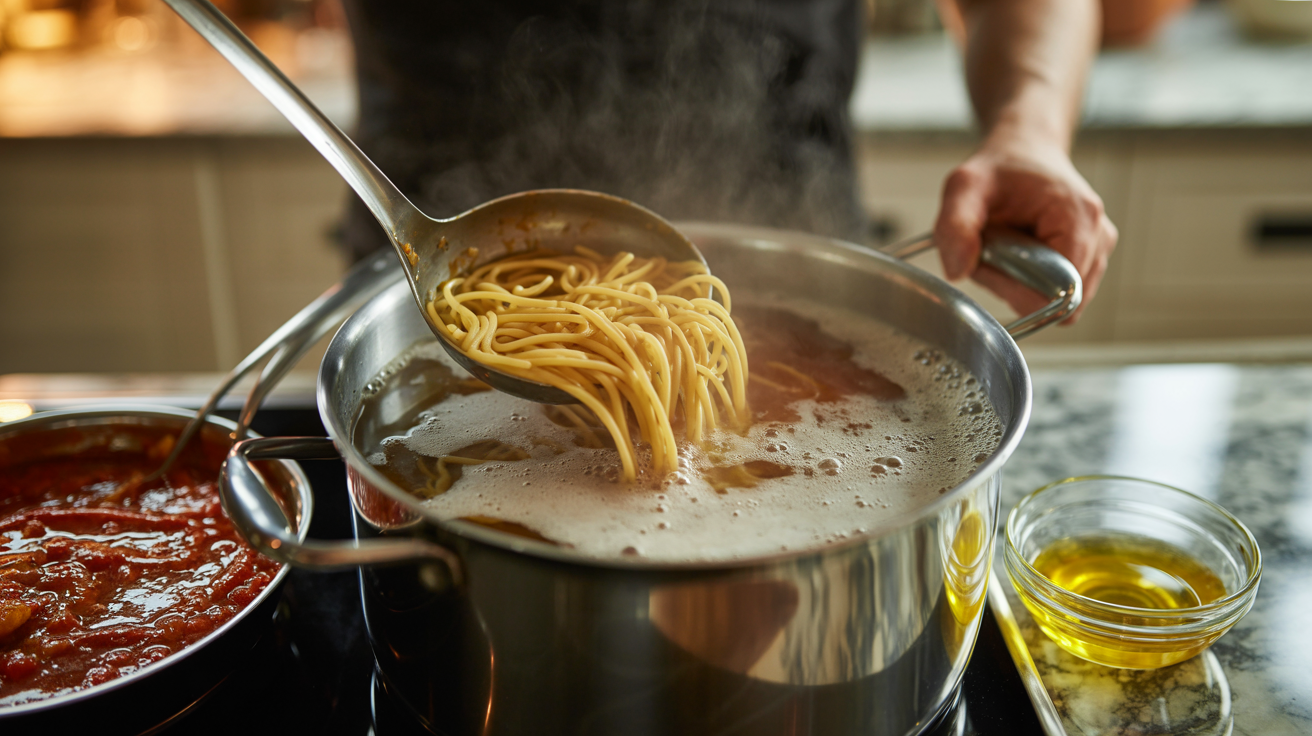
The starchy, slightly salty water left in your pot after cooking pasta is one of the most underutilized flavor and texture tools in Italian cooking. As pasta boils, it releases starch into the water, creating a milky, cloudy liquid that acts as both a flavor enhancer and a natural emulsifier. Always reserve at least a full cup before you drain your pasta — you’ll almost certainly need some of it.
When you toss your cooked pasta with the sauce, add pasta water a splash at a time to loosen the sauce and help it cling to the noodles more evenly. The starch in the water bonds with the fat in the sauce to create a silky, cohesive coating that’s the hallmark of great pasta. Without it, you get a sauce that pools at the bottom of the bowl rather than hugging each strand.
Pasta water also does subtle flavor work. Because it’s seasoned from cooking the pasta and loaded with starch, it integrates seamlessly into your sauce without watering it down the way plain water would. The salt in the pasta water continues seasoning the dish as it absorbs, and the starch helps thicken the sauce naturally as it reduces slightly in the final toss.
8. Finish with Good Olive Oil
There are two kinds of olive oil moments in pasta sauce making: cooking oil and finishing oil, and they are not interchangeable. You cook your soffritto and bloom your garlic in regular-quality olive oil because high heat would destroy the delicate flavor compounds in premium extra-virgin olive oil anyway. But finishing your sauce with a drizzle of your best, most peppery, most fragrant extra-virgin olive oil right before serving? That’s where premium olive oil earns its price tag.
This last-minute drizzle adds a fruity, grassy freshness and a luxurious mouthfeel that enriches the entire dish without muddying the flavors you’ve built throughout the cooking process. It rounds out sharp edges, adds a subtle peppery finish, and makes the sauce taste more restaurant-quality immediately. Use about one to two teaspoons per serving, added off the heat so you preserve all those gorgeous volatile aromatics.
If you want to take this concept even further, try making a quick herb oil: gently warm olive oil with a few whole basil leaves or a sprig of rosemary over very low heat for 5 minutes until fragrant, then strain and use it as your finishing oil. The infused fat carries herbal flavor into every corner of the dish in a way that simply stirring in chopped herbs cannot match.
9. Add Umami Boosters Strategically
Umami — that savory, mouth-coating depth — is what separates a good pasta sauce from a great one. Tomatoes are already naturally umami-rich, but certain ingredients can amplify that savoriness dramatically. Anchovy fillets are perhaps the most powerful secret weapon: add one or two to your olive oil at the very beginning of cooking, and they’ll dissolve completely, leaving behind zero fishiness and a profound savory depth that makes people say “I can’t figure out why this tastes so good.”
Other fantastic umami boosters include a parmesan rind dropped into the sauce as it simmers (remove before serving), a splash of soy sauce or Worcestershire sauce added mid-cook, or a teaspoon of miso paste stirred in near the end. None of these make your sauce taste Japanese or out of place — they simply amplify the existing savory notes and add that elusive richness that makes a sauce truly satisfying.
Dried mushrooms, particularly porcini, are another extraordinary umami tool. Rehydrate them in hot water, then add both the mushrooms and the soaking liquid (carefully poured off so the gritty sediment stays behind) to your sauce. The liquid is essentially mushroom stock, intensely savory and fragrant. Even a small amount added to a simple tomato sauce elevates it into something that tastes deeply complex and almost meaty.
10. Taste, Adjust, and Trust Yourself
All the techniques in the world mean nothing if you’re not tasting as you go. Tasting throughout the cooking process is how professional cooks constantly calibrate — checking balance, catching problems early, and making small adjustments that compound into a significantly better final result. Get in the habit of tasting your sauce at every major stage: after the soffritto, after the tomatoes go in, midway through simmering, and just before serving.
Know what to listen for when you taste. If the sauce tastes flat and dull, it usually needs salt. If it tastes one-dimensional, it might need acid (a splash of vinegar or a squeeze of lemon). If it tastes harsh or aggressive, it may need sweetness (a pinch of sugar or a longer simmer). If it tastes thin, it needs more time to reduce. If it tastes bitter, your garlic may have scorched slightly — a pinch of sugar and more simmering time can help mask it.
Cooking confidence comes from trusting your palate and understanding that tasting is a skill you develop over time. Don’t second-guess yourself or rely entirely on a recipe’s instructions — those are guidelines written for an average scenario. Your tomatoes, your stove, your preferences are all variables. The cook who tastes constantly and adjusts accordingly will always outperform the one who follows a recipe to the letter without ever checking in with their own senses.
Frequently Asked Questions
How long should I simmer a simple pasta sauce?
For a weeknight sauce, aim for at least 30 to 45 minutes at a gentle simmer. An hour is even better. If you have time, 90 minutes to 2 hours produces a noticeably deeper, more rounded flavor. The longer it simmers (at low heat), the more the flavors meld and the acidity mellows naturally.
Can I build good flavor without wine?
Absolutely. Wine contributes acid, a bit of sweetness, and helps deglaze the pan, but you can replicate those functions with a splash of red wine vinegar for a tomato sauce, or chicken/vegetable stock for a lighter sauce. You won’t lose depth — just adjust your other flavor-building steps accordingly.
What’s the single most impactful thing I can do to improve my pasta sauce?
Toast your tomato paste directly in the pan before adding your liquids. This one step adds more perceived depth and complexity than almost anything else, and it costs you under three minutes. Combined with a proper low-and-slow soffritto, these two moves alone will transform your sauce dramatically.
Do I really need to save pasta water?
Yes — make it a habit. Even if you don’t use it every time, having it available gives you a powerful tool for sauce consistency and texture. The starchy water helps create that glossy, clingy sauce that coats pasta beautifully rather than pooling in the bowl. Set a reminder or put a mug on your counter as a physical cue until it becomes automatic.
What’s the best way to store and reheat leftover pasta sauce?
Cool the sauce completely before storing in an airtight container in the fridge for up to 5 days, or freeze for up to 3 months. Reheat gently in a saucepan over medium-low heat, adding a splash of water or stock to loosen it as needed. Taste and re-season with salt and a drizzle of fresh olive oil before serving — reheated sauces often need a small refresh.
Building incredible flavor in a simple pasta sauce isn’t about complicated techniques or hard-to-find ingredients — it’s about being intentional at every step. From the patience of a proper soffritto to the finishing drizzle of great olive oil, each of these ten strategies layers depth onto depth until what started as a can of tomatoes becomes something genuinely memorable. Pick two or three of these to try tonight, then add more to your repertoire over time. Your pasta nights are about to get a whole lot more delicious.