
I spent my first five years of cooking with exactly three spices: salt, pepper, and whatever was in that mystery blend my mom left behind when she moved. My food was fine. It was edible. But it wasn’t the kind of food that made people go quiet for a second after the first bite, you know? The moment I started actually investing in a real spice collection—buying whole spices, toasting them, understanding *what* each one does and *why*—everything changed. My weeknight dinners started tasting like I’d been cooking for decades.
As an Amazon Associate, this site earns from qualifying purchases. Some links on this page are affiliate links.
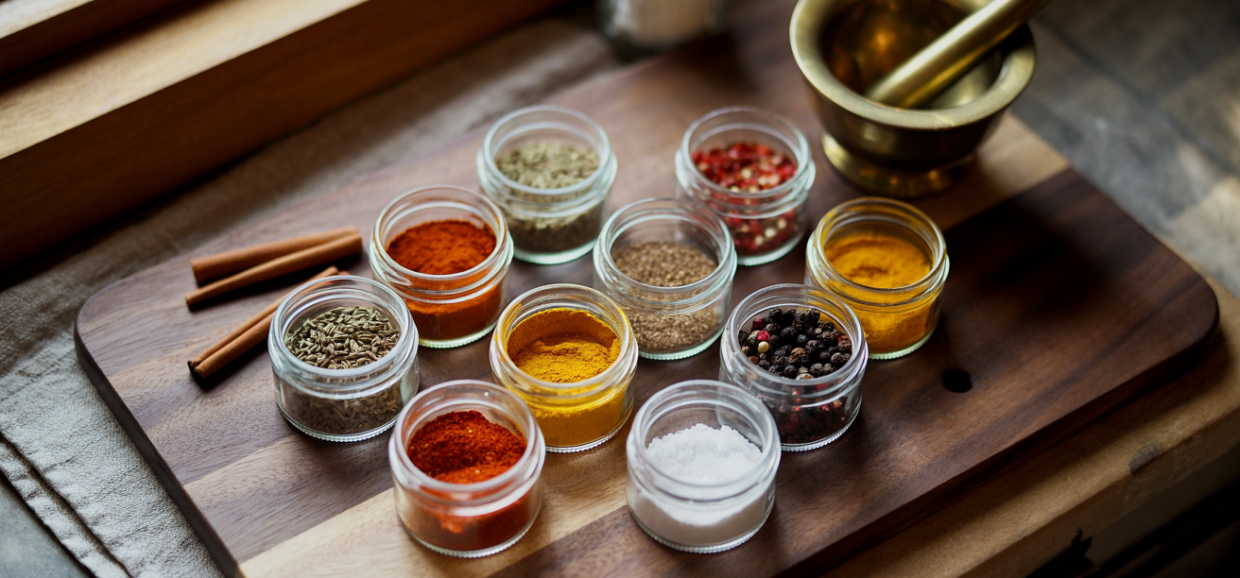
Here’s the thing nobody tells you about spices: you don’t need forty jars cluttering up a lazy Susan. You need the *right* ten, and you need to know how to use them. I’m not talking about dusty bottles that have been sitting in your pantry since 2017. I’m talking about fresh, potent spices that you rotate through regularly. **Spices lose their punch after about a year**—if yours smell like cardboard when you open the jar, toss them. So let’s talk about the ten spices that have earned permanent real estate in my kitchen, and more importantly, *how* to actually use them well.
1. Cumin — The Workhorse You’re Probably Underusing
If I could only keep one spice beyond salt and pepper, cumin would be it without a second thought. That warm, earthy, slightly smoky aroma is the backbone of so many cuisines—Mexican, Indian, Middle Eastern, North African. It’s the spice that makes a pot of black beans smell like *actual food* instead of just beans in water. I use it in my Cumin-Spiced Black Bean Tacos and it absolutely makes the dish.
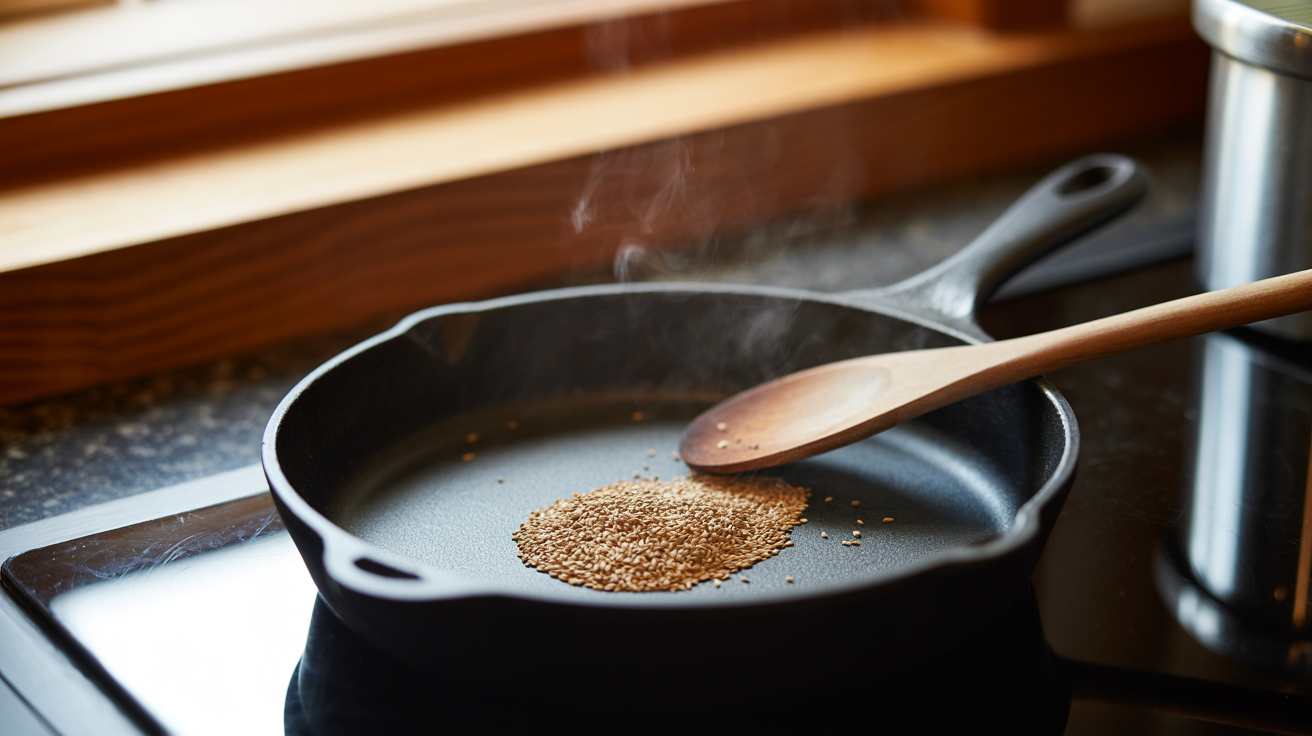
Here’s my biggest tip: **buy whole cumin seeds and toast them yourself.** Toss a tablespoon into a dry skillet over medium heat, shake the pan for about 90 seconds until you smell that deep nutty fragrance and they start to darken just slightly. Then grind them in a mortar and pestle or a cheap coffee grinder. The difference between freshly toasted and ground cumin versus the pre-ground stuff from three years ago is genuinely shocking. You’ll use it in chili, roasted vegetables, spice rubs, scrambled eggs—everywhere.
2. Smoked Paprika — The Secret Behind That “Restaurant Taste”
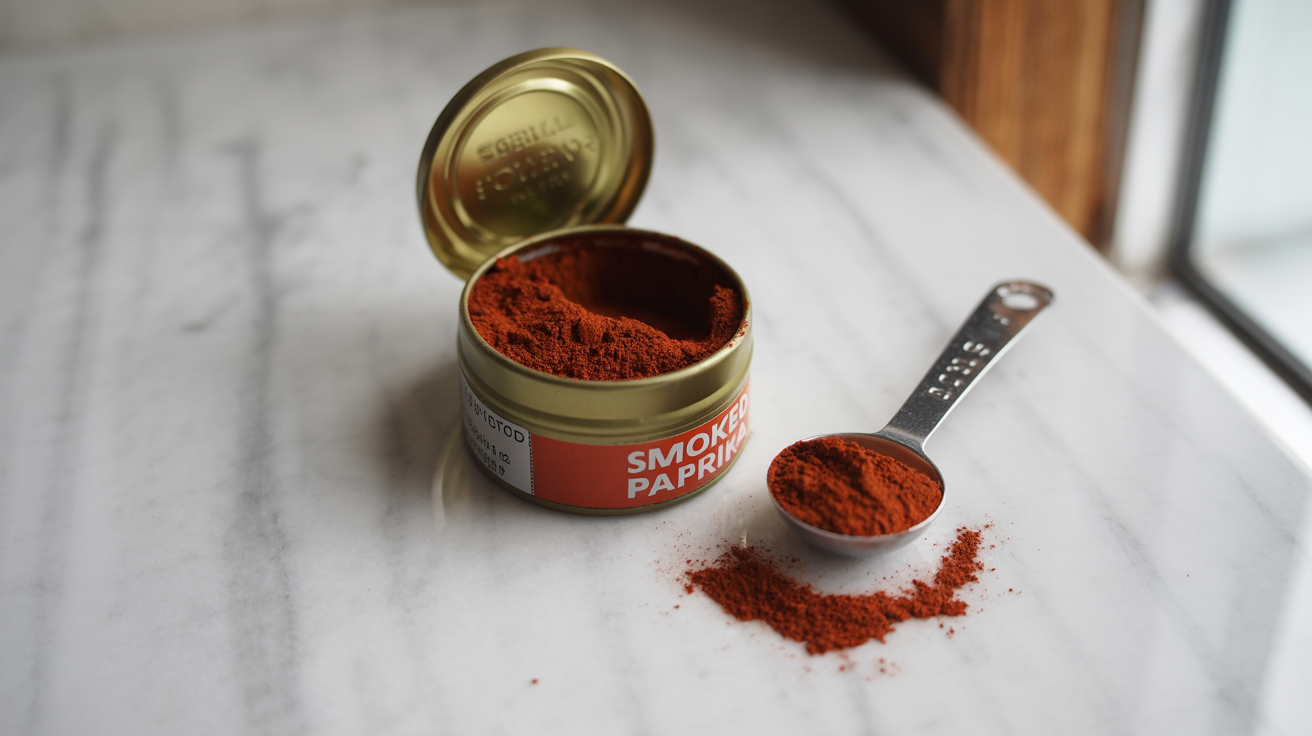
Ever wonder why some home-cooked food tastes flat even when you’ve followed the recipe perfectly? Nine times out of ten, it’s missing that subtle smokiness that restaurants build through high-heat cooking and open flames. Smoked paprika (specifically *pimentón de la Vera* from Spain) is how you cheat your way to that depth at home. It’s not spicy—it’s just deeply, hauntingly smoky.
I stir it into soups, dust it over roasted potatoes, mix it into mayo for sandwiches, and add it to any meat rub I make. A half teaspoon goes a long way. **Do not confuse this with regular sweet paprika or Hungarian paprika**—they’re completely different animals. Regular paprika is mild and mostly adds color. Smoked paprika adds *soul*. Look for the tin containers from Spain, usually labeled dulce (sweet) or picante (hot). Start with dulce.
3. Cinnamon — Not Just for Baking
I used to pull out cinnamon exclusively for apple pie and oatmeal. Then I made a Moroccan chicken tagine with cinnamon, cumin, and dried apricots, and I realized I’d been limiting this spice my whole life. Cinnamon in savory food is *ridiculously* good—it adds this warm, almost mysterious sweetness that rounds out tomato sauces, beef stews, and grain dishes like nothing else can.
There are two types you should know about: Ceylon cinnamon (“true” cinnamon, thinner bark, more delicate and floral) and cassia cinnamon (what most grocery stores sell, more punchy and intense). For baking, cassia is great. For savory dishes, I actually prefer Ceylon—it’s more subtle and less likely to overpower. Try adding a single cinnamon stick to your next pot of rice or beef chili. Just drop it in while the liquid simmers and fish it out before serving. You won’t necessarily taste “cinnamon,” but you’ll notice something warm and complex that wasn’t there before.
4. Cayenne Pepper — The One-Pinch Wonder
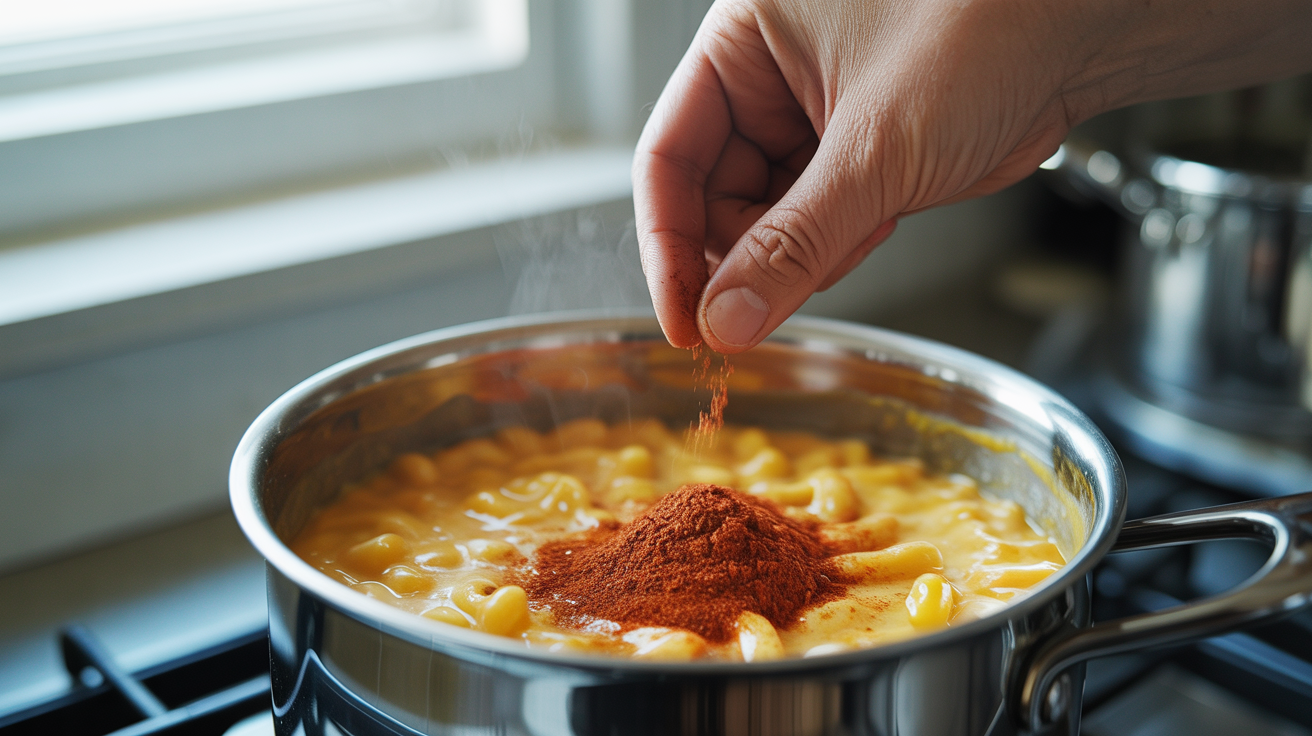
Cayenne isn’t about making things spicy. I mean, it *can* be, but that’s not why it earns a spot in my top ten. Cayenne in small amounts—we’re talking an eighth of a teaspoon—does something magical: it wakes up every other flavor in the dish. A pinch in mac and cheese, a dusting in chocolate brownies, a whisper in a cream sauce. **You shouldn’t be able to identify it as heat.** You should just notice that everything tastes more alive.
The mistake most people make is going too heavy. Start with less than you think you need, taste, and add more. You can always add heat; you can never take it away. I keep a small jar right next to my stove and flick tiny amounts into almost everything savory I make. It’s especially transformative in dishes that are rich and fatty—the slight tingle cuts through all that heaviness and keeps your palate interested.
5. Coriander — Cumin’s Best Friend
Coriander seeds taste nothing like cilantro leaves, even though they come from the same plant. Where cilantro is bright and polarizing, coriander seeds are warm, citrusy, and almost floral—like a mix of lemon zest and sage. I always pair it with cumin. Always. Those two together form the base of so many spice blends that once you recognize the combination, you’ll start noticing it in restaurant food constantly.
Like cumin, **buy whole coriander seeds and toast them.** They pop and crackle in the pan and release this gorgeous citrus aroma that fills your whole kitchen. I crush them coarsely for meat rubs—they add a texture that ground spices can’t replicate. They’re also essential in homemade curry powder, pickling brines, and sausage seasoning. If cumin is the bass note, coriander is the mid-range that gives everything warmth and dimension.
6. Turmeric — Beyond the Health Hype
Yes, turmeric is good for you. But I don’t use it because of some wellness trend—I use it because it does something to food that no other spice can. It adds this subtle earthiness, a faintly bitter depth, and that unmistakable golden color that makes rice look *so* much more appealing than plain white. It’s the reason golden milk and curry have that warm glow.
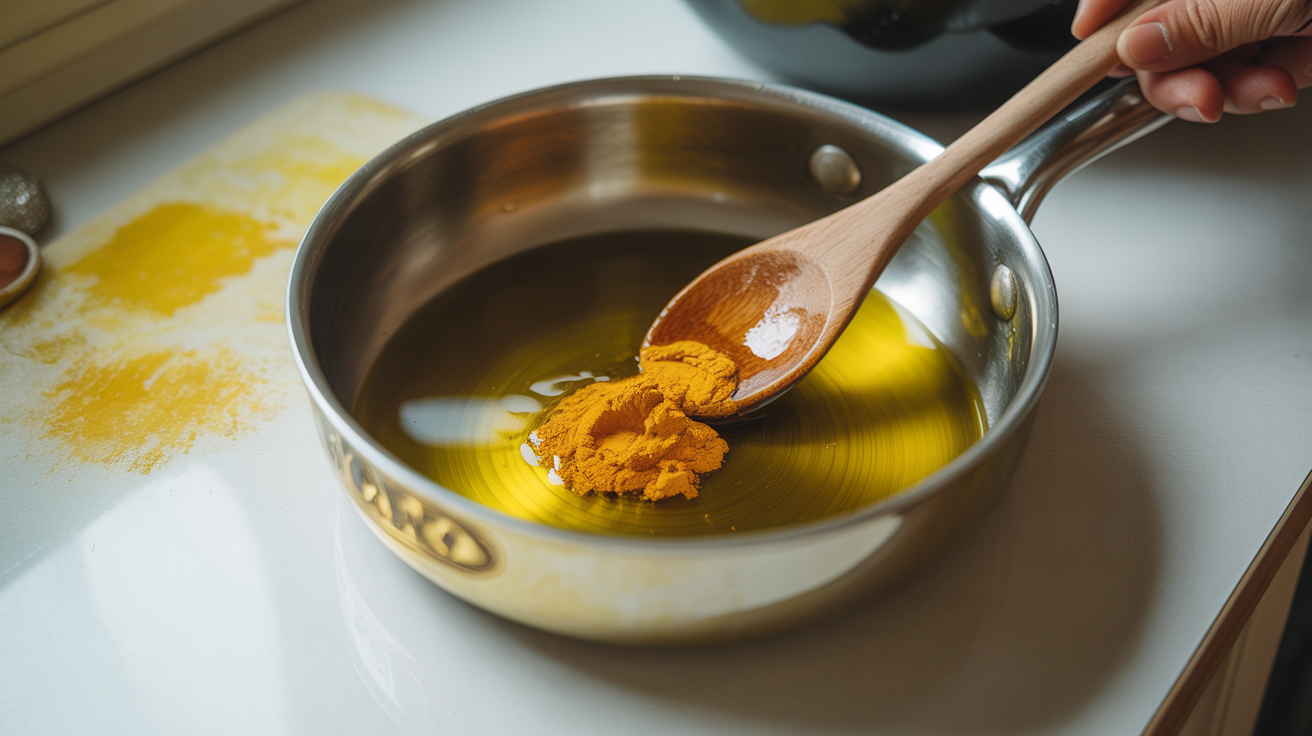
A critical thing to know: turmeric needs fat and black pepper to be properly absorbed and to taste its best. Always bloom it in oil or butter before adding other ingredients. About half a teaspoon in a tablespoon of warm oil for 30 seconds—you’ll see the oil turn deep gold and smell something warm and peppery. **Never add turmeric powder directly to water-based liquids without blooming it first**, or it’ll taste dusty and raw. It stains everything it touches, so don’t wear your favorite white shirt while cooking with it. Ask me how I know.
7. Whole Black Peppercorns — Yes, This Counts
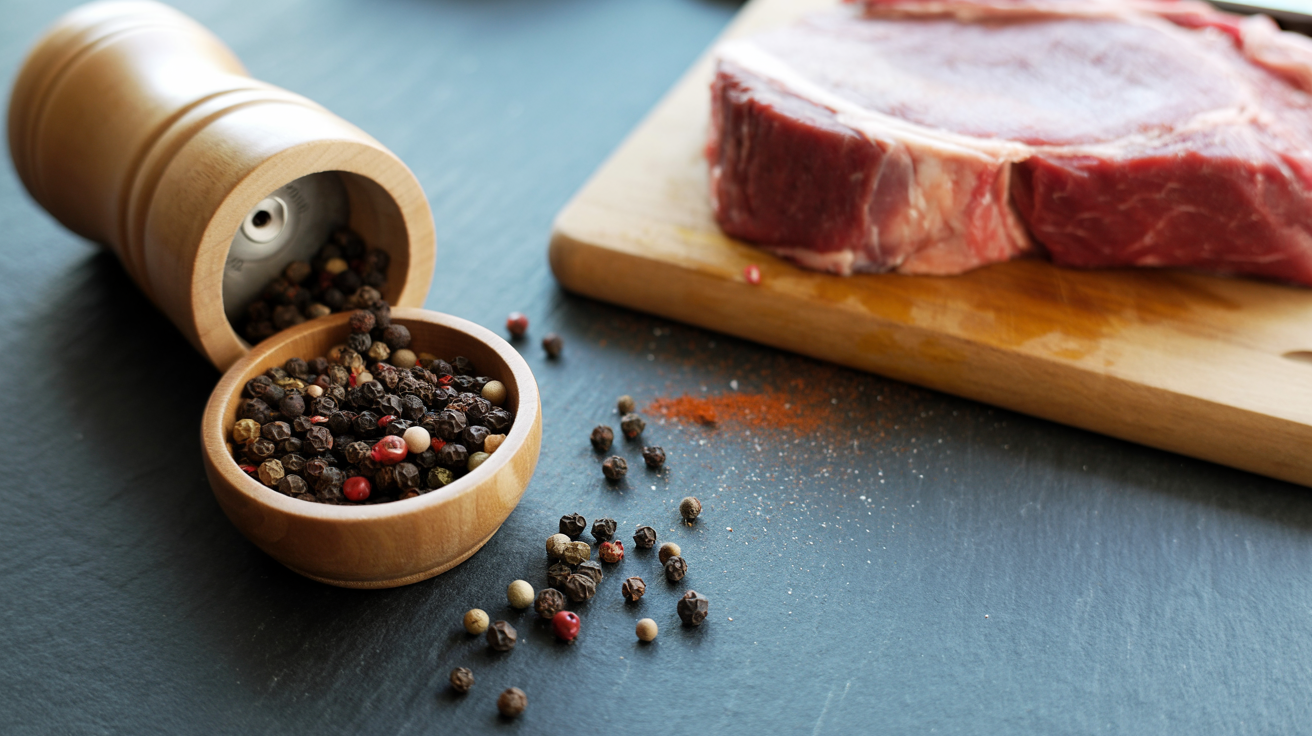
I know what you’re thinking. Pepper? Really? But here’s the thing: if you’re using pre-ground pepper from a tin, you are not actually experiencing black pepper. You’re experiencing pepper-flavored dust. Freshly cracked peppercorns have this sharp, floral, almost piney bite that is *worlds* apart from the stale stuff. It’s the single easiest upgrade you can make in your kitchen, and it costs about twelve dollars for a decent grinder and a bag of Tellicherry peppercorns.
Tellicherry peppercorns from India’s Malabar Coast are the ones I recommend. They’re larger, more complex, and have a fruity warmth underneath the heat. **Grind them fresh every single time.** Crack them coarse for steaks and salads, grind them fine for sauces and soups. I go through peppercorns faster than any other spice in my kitchen. Once you make this switch, you genuinely cannot go back to the pre-ground stuff—it’ll taste like nothing.
8. Oregano — The Unsung Hero of Savory Cooking
Dried oregano doesn’t get enough respect. People treat it like a pizza-only spice, sprinkling a bit on delivery pies and calling it a day. But good dried oregano—specifically Mexican oregano or high-quality Mediterranean oregano—is intensely aromatic, slightly peppery, and *so* much more versatile than you’d think. I use it in bean dishes, roasted vegetables, marinades, salad dressings, and every tomato sauce I make.
The key with dried oregano is to crush it between your palms before adding it. This breaks open the cell walls and releases the essential oils. Hold your hands over the pot and rub—you’ll immediately smell that sharp, herbal fragrance bloom. **Mexican oregano and Mediterranean oregano are different plants entirely.** Mexican oregano is more citrusy and pairs better with cumin, chilies, and Latin-American food. Mediterranean oregano is more pungent and works beautifully with garlic, tomatoes, and olive oil. I keep both.
9. Ginger — Fresh and Ground Are Two Different Spices
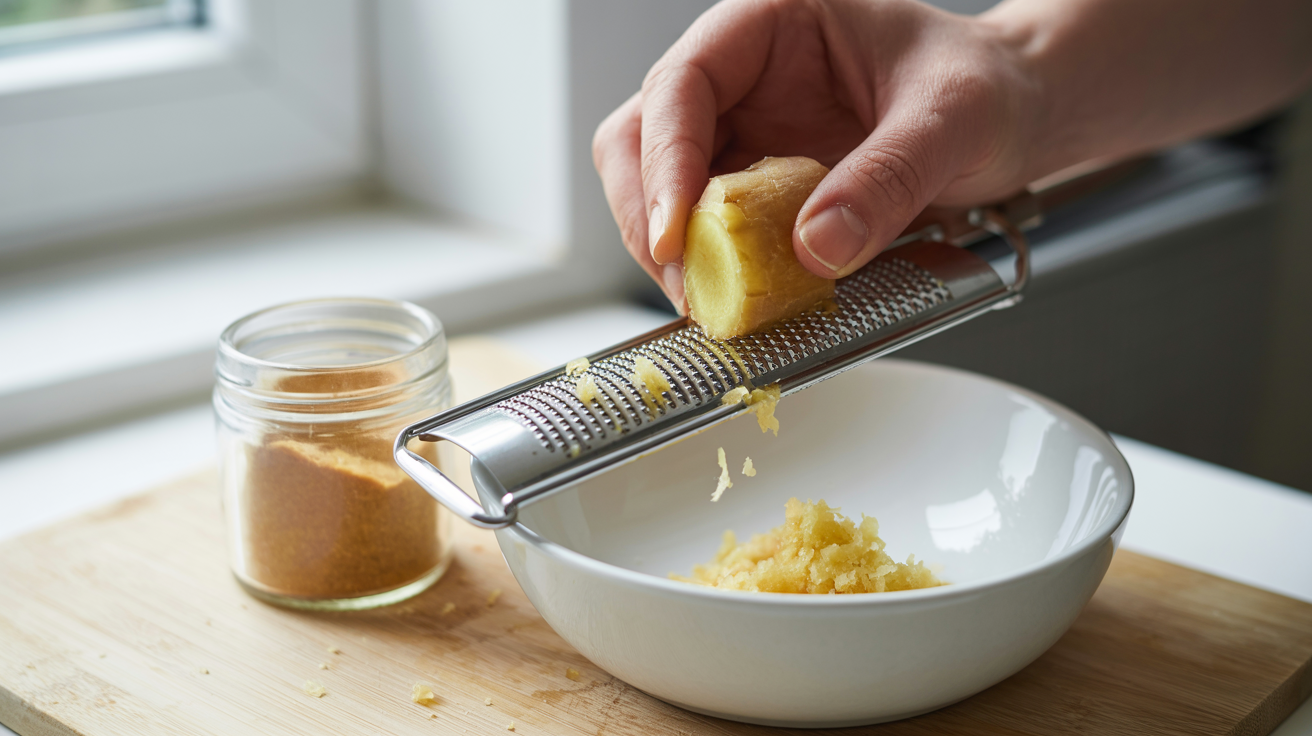
Ground ginger and fresh ginger behave so differently that I genuinely think of them as separate ingredients. Ground ginger is warm, dry, and concentrated—perfect for baking, spice rubs, and stir-fry sauces. Fresh ginger is bright, sharp, and almost spicy in a way that hits the back of your throat. You need both in your kitchen.
For ground ginger, add it early in the cooking process so the heat mellows its bite. For fresh ginger, I grate it on a microplane—**do not bother trying to mince it with a knife** unless you enjoy fibrous chunks in your food. A microplane turns it into a paste in seconds, and the fibers stay behind on the grater. Fresh ginger is non-negotiable in stir-fries, soups, marinades, and dressings. I also keep a knob in the freezer—frozen ginger actually grates *easier* than fresh, and it keeps for months.
10. Red Pepper Flakes — The Finishing Spice You Need at Every Meal
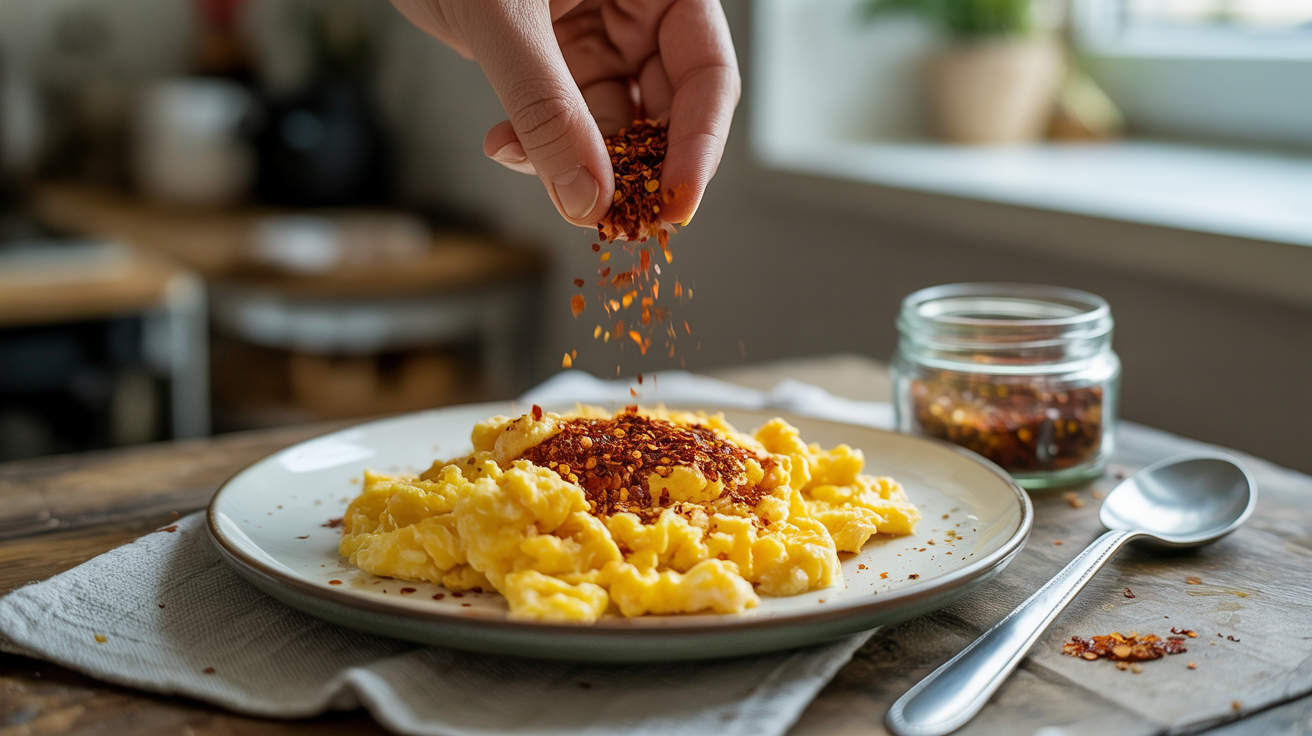
A jar of red pepper flakes should live on your dinner table the way salt and pepper do. Not because everything needs to be spicy, but because a small scatter of flakes added *after* cooking provides these little pops of gentle heat that keep each bite interesting. Think about how pizza places always have that shaker of red flakes—there’s a reason.
But here’s where it gets interesting: not all red pepper flakes are the same. The generic grocery store version is fine, but if you can find Aleppo pepper flakes (also called pul biber or Maras pepper), you’re in for a revelation. They’re oily, fruity, mildly hot, and have this sun-dried complexity that standard flakes simply don’t have. I sprinkle Aleppo pepper on hummus, eggs, avocado toast, pasta, roasted vegetables—basically everything. **Keep them in the fridge or freezer** since the oils can go rancid at room temperature over time.
Frequently Asked Questions
How should I store spices to keep them fresh the longest?
Keep spices in airtight containers away from heat, light, and moisture. That spice rack right above your stove? Worst possible spot. The heat and steam degrade them fast. I store mine in a cool, dark drawer or cabinet. Whole spices last about two to three years; ground spices start losing potency after about eight to twelve months. Write the purchase date on each jar with a marker so you know when to replace them.
Is it really worth buying whole spices instead of pre-ground?
Absolutely, yes—especially for cumin, coriander, black pepper, and cinnamon. Whole spices retain their essential oils far longer than ground versions. Once you grind a spice, it starts losing aroma and flavor almost immediately. A $15 electric coffee grinder dedicated to spices will transform your cooking more than almost any other kitchen investment I can think of.
How do I know when a spice has gone bad?
Open the jar and smell it. If it smells faint, dusty, or like nothing at all, it’s done. Good spices should hit you with aroma the moment you open the lid. They won’t make you sick if they’re old—they just won’t do anything useful for your food. You’re essentially adding colored powder at that point.
Can I substitute dried spices for fresh herbs and vice versa?
For herbs like oregano and thyme, you can substitute dried for fresh at roughly a 1:3 ratio (one teaspoon dried equals one tablespoon fresh). But for ginger, they’re so different that substituting one for the other will change the dish significantly. Use what the recipe calls for, or adjust your expectations if you swap.
Building a solid spice collection isn’t about filling a rack with forty jars you’ll never touch. It’s about choosing ten or so that you *actually* understand and use regularly. Start with this list, buy them fresh, store them properly, and replace them when they fade. Your cooking will taste noticeably different within a week—not because you learned a new technique, but because you finally gave your food the building blocks it was missing all along. Now go check those expiration dates.