
I spent most of my twenties thinking that eating high protein on a budget meant choking down plain chicken breast and canned tuna five nights a week. I’d stare at those sad, dry chicken cubes on my plate and wonder why everyone online made “meal prep” look so appealing. Here’s what nobody told me back then: cheap high protein meals can actually be food you *want* to eat — food that smells incredible coming out of the oven, food with texture and warmth and real flavor. You just need to know where to look beyond the boneless skinless chicken breast aisle.
If you’re trying to lose weight, protein is your best friend for one very practical reason: it keeps you full. Not in a vague, motivational-poster kind of way, but in a measurable, “I’m not raiding the pantry at 9 PM” kind of way. Studies consistently show that higher protein intake reduces appetite hormones and increases satiety signals. But here’s the thing — you don’t need expensive protein powders, grass-fed beef, or wild-caught salmon to get there. Some of the highest-protein foods on the planet are also some of the cheapest. Let me walk you through exactly how I build satisfying, protein-rich meals without spending more than a few dollars per serving.
Why Protein Matters So Much for Weight Loss
Let’s get specific here because vague nutrition advice helps nobody. Protein has a thermic effect of about 20-30%, meaning your body burns roughly a quarter of protein’s calories just digesting it. Compare that to carbs at 5-10% and fats at 0-3%. So if you eat 100 calories of protein, you’re netting closer to 70-80 usable calories. **That’s a built-in advantage most people don’t think about.**
Beyond the math, protein preserves lean muscle mass while you’re in a calorie deficit. This matters more than most people realize. When you lose weight without adequate protein, a significant chunk of that loss can come from muscle — which tanks your metabolism and makes you look and feel worse, not better. I aim for roughly 0.7-1 gram of protein per pound of body weight daily. For a 160-pound person, that’s 112-160 grams spread across the day. Sounds like a lot? It’s really not once you know the right ingredients to stock.
The Budget Protein Powerhouses You Should Always Have on Hand
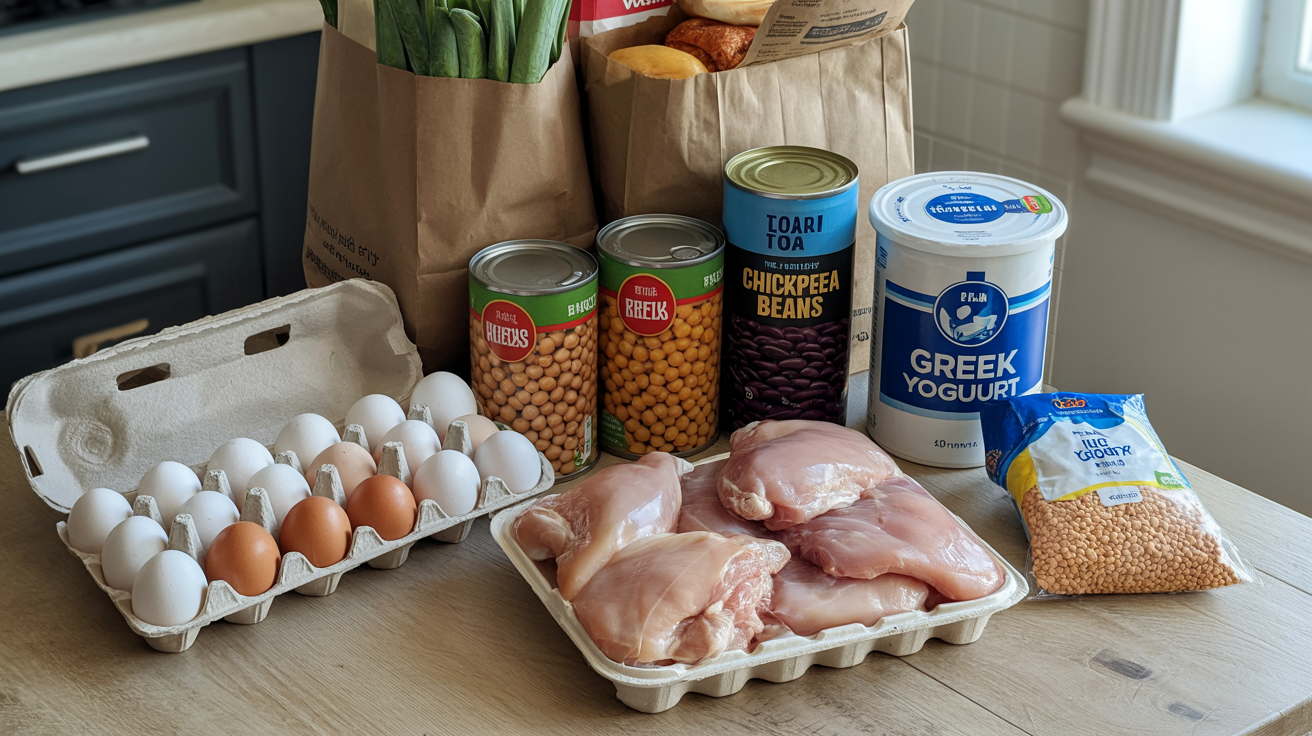
Forget fancy cuts of meat for a minute. Here are the ingredients I buy every single week, and they rarely cost me more than $20-25 total:
- Eggs — About 6 grams of protein each, and a dozen usually runs $2-4. I go through two dozen a week easily.
- Canned chickpeas and black beans — Around 12-15 grams of protein per cup. At $0.80-$1.00 a can, this is arguably the best protein-per-dollar ratio in the grocery store.
- Chicken thighs (bone-in, skin-on) — *So* much cheaper than breasts, and they actually taste like something. Usually $1.50-$2.50 per pound. Remove the skin before eating if you want to cut calories, but cook with it on for moisture.
- Ground turkey — Lean ground turkey (93/7) packs about 22 grams of protein per 4-ounce serving. I find it on sale for $3-4 per pound regularly.
- Greek yogurt (plain, store brand) — 15-17 grams of protein per cup for around $0.50-$0.75 a serving. I buy the big 32-ounce tubs, never the individual cups.
- Cottage cheese — 24 grams of protein per cup. It’s having a moment right now, and honestly, it deserves it.
- Lentils (dry) — 18 grams of protein per cup cooked. A one-pound bag costs about $1.50 and yields 7+ servings.
**Stock these staples and you’ll never struggle to hit your protein targets.** I keep my pantry loaded with canned beans and dry lentils at all times because they’re shelf-stable, dirt cheap, and endlessly versatile.
Breakfast Ideas That Actually Keep You Full Until Lunch
Do you ever eat breakfast at 7 AM and feel like you’re starving by 9:30? That’s almost always a protein problem. A bagel with cream cheese has maybe 10 grams of protein. Compare that to these options:
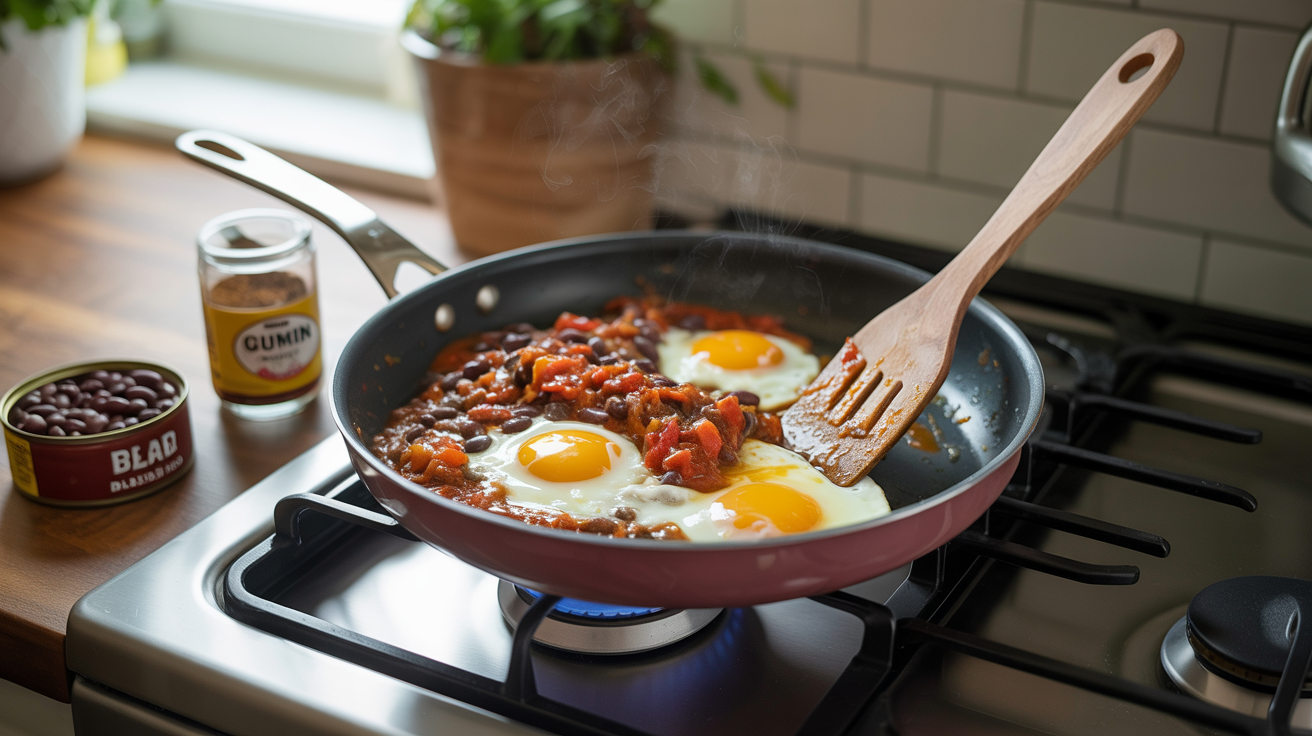
Egg and black bean scramble: Three eggs scrambled with half a can of rinsed black beans, a handful of salsa, and a sprinkle of cumin. That’s roughly 30 grams of protein for about $1.50. I make this in a 10-inch nonstick skillet over medium-low heat — **do not rush this part** — and pull the eggs off the heat while they still look slightly underdone. They’ll finish cooking from residual heat and end up silky instead of rubbery.
Cottage cheese bowl: One cup of cottage cheese topped with frozen berries (thawed), a tablespoon of chia seeds, and a drizzle of honey. That’s 28 grams of protein and it tastes like dessert. I was skeptical for years. I was wrong.
For something you can grab and take to work, try a Hard Boiled Egg and Chickpea Mason Jar Salad. You layer everything the night before, shake it up in the morning, and you’ve got a portable high-protein meal that costs maybe $2.
Lunch and Dinner Meals Under $3 Per Serving
This is where it gets fun. I used to think cheap dinners meant boring dinners. Then I started actually learning how to season food properly and everything changed.
Lentil soup with smoked paprika: Sauté diced onion, carrot, and celery in a tablespoon of olive oil until the onion turns translucent — you’ll smell that sweet, savory aroma when it’s ready. Add a cup of dry brown lentils, 4 cups of chicken broth, a teaspoon of smoked paprika, half a teaspoon of cumin, and a bay leaf. Simmer for 25-30 minutes until the lentils are tender but not mushy. One pot makes 4 generous servings at about 20 grams of protein each. Total cost: roughly $4-5 for the whole pot.
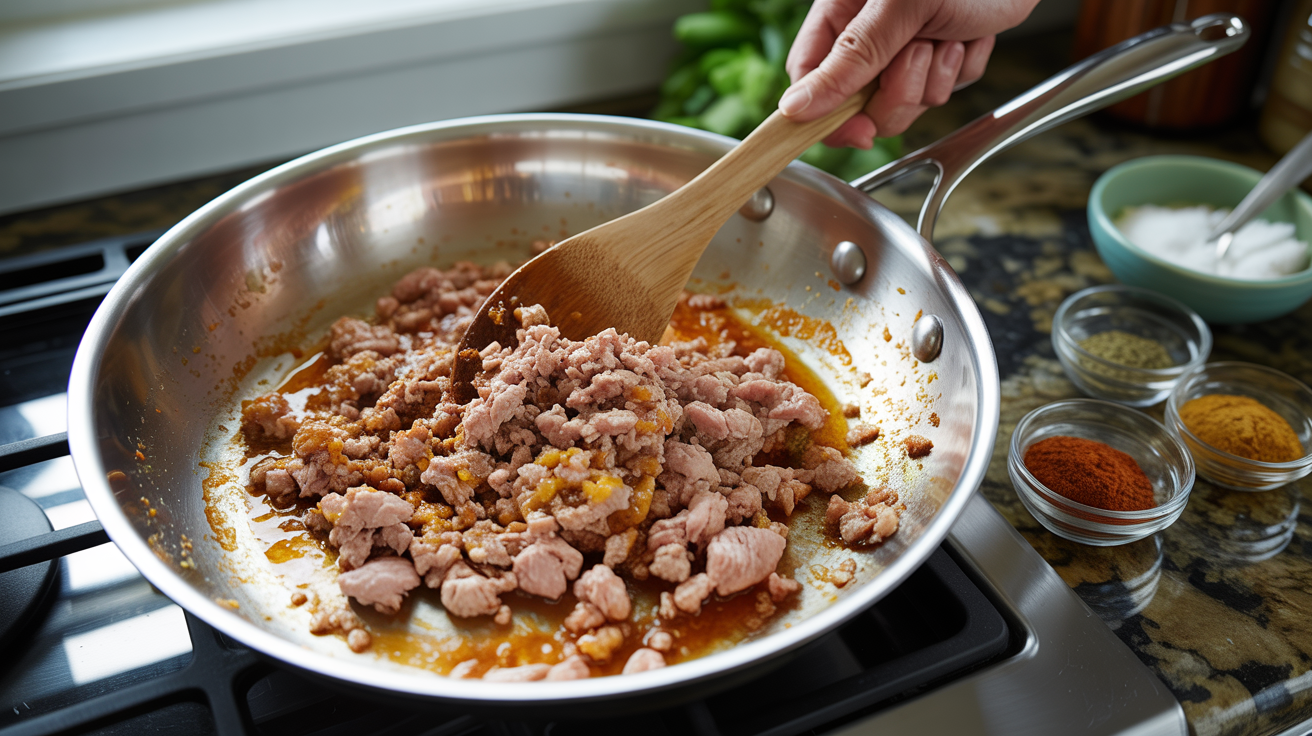
Turkey taco bowls: Brown a pound of ground turkey in a 12-inch stainless steel skillet over medium-high heat. **Break it into small crumbles with a wooden spoon** — I mean *small*, almost ground-beef-at-Chipotle small. Season with chili powder, cumin, garlic powder, onion powder, and a pinch of cayenne. Serve over rice with black beans, salsa, and a squeeze of lime. Four servings, 35+ grams of protein each, and the whole thing costs about $8-10 total.
One of my absolute favorites for hands-off cooking is Slow Cooker Turkey Chili. You dump everything in, walk away for 6-8 hours, and come home to a kitchen that smells *ridiculous*. It makes a huge batch, freezes beautifully, and each serving is loaded with protein from both the meat and the beans.
Meal Prep Strategies That Don’t Make You Miserable
I used to try prepping five identical containers on Sunday and by Wednesday I wanted to throw them all in the trash. Here’s what actually works for me now: I prep *components*, not complete meals.
On Sunday, I’ll cook a big batch of chicken thighs (seasoned with salt, pepper, garlic powder, and paprika, roasted at 425°F for 35-40 minutes until the skin is shatteringly crispy and a thermometer reads 175°F in the thickest part). I’ll also cook a pot of lentils or rice, hard-boil a dozen eggs, and roast a sheet pan of vegetables.
Then during the week, I mix and match. Monday it’s chicken thighs over rice with roasted broccoli. Tuesday it’s chopped chicken in a wrap with hummus and greens. Wednesday the lentils become a quick soup. **This approach keeps things interesting enough that you actually eat what you prepped** instead of ordering takeout because you can’t face another identical container.
One more tip: invest in a kitchen scale. Not for obsessive calorie counting, but because eyeballing 4 ounces of protein is basically impossible. I thought I was eating enough protein for years. I was eating about half of what I thought. A $12 food scale fixed that overnight.
Smart Snacks That Bridge the Gaps
Snacking is where most weight loss plans fall apart. You get hungry between meals, grab something convenient, and suddenly you’ve eaten 400 calories of granola bars with 3 grams of protein. Here are snacks I keep ready at all times:
- Hard-boiled eggs — I always have at least 6 in the fridge. Two eggs = 12 grams of protein for about $0.50. Sprinkle them with everything bagel seasoning and suddenly they’re *actually* something to look forward to.
- Greek yogurt with a handful of almonds — About 20 grams of protein for under a dollar.
- Cottage cheese with cucumber slices and a crack of black pepper — Sounds weird, tastes amazing. 24 grams of protein.
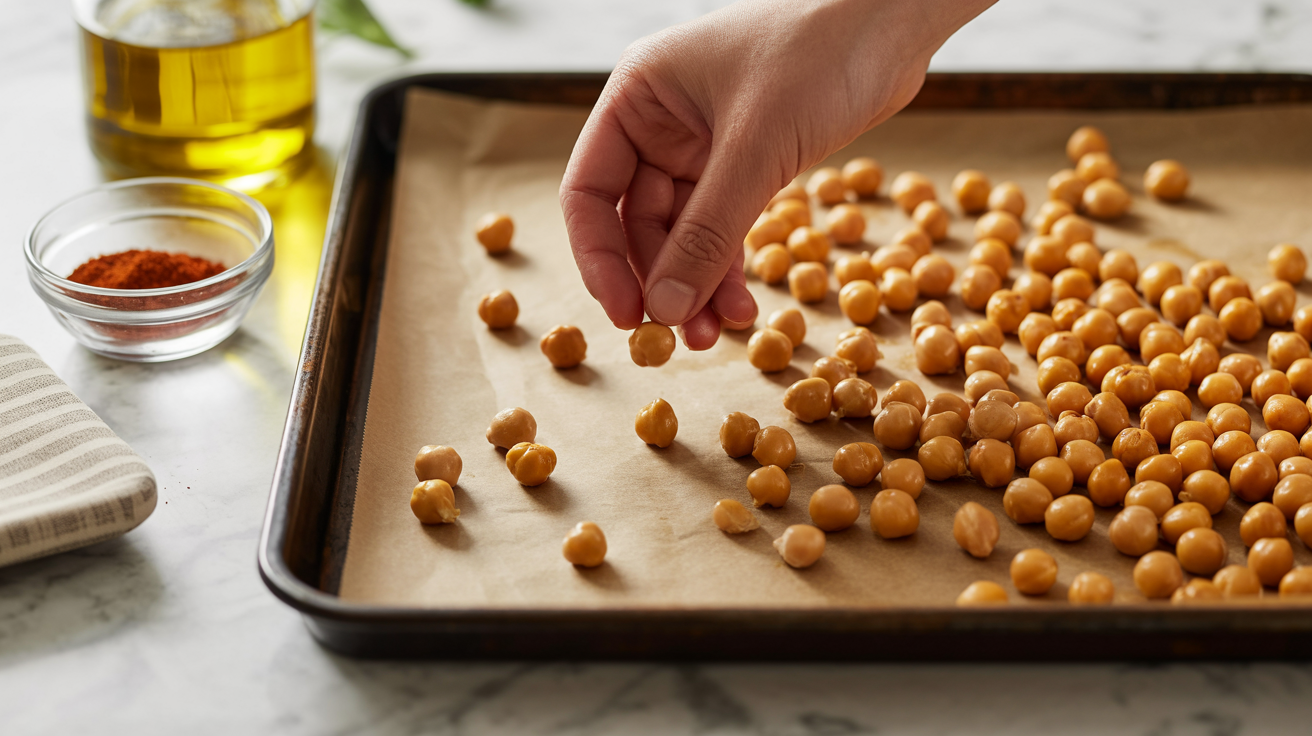
- Roasted chickpeas — Toss drained canned chickpeas with olive oil, salt, and smoked paprika. Roast at 400°F for 30-35 minutes, shaking the pan halfway through. They get crunchy and nutty and you can eat a whole cup for about 12 grams of protein.
**The pattern here is simple: every time you reach for a snack, make sure it has at least 10 grams of protein.** That one rule changed my entire relationship with between-meal eating.
Frequently Asked Questions
How much protein do I actually need per day for weight loss?
Most research points to 0.7-1.0 grams per pound of body weight as a solid target during a calorie deficit. If you weigh 150 pounds, aim for 105-150 grams daily. Start at the lower end and adjust based on how full you feel and whether your strength is holding steady during workouts. Don’t stress about hitting the exact number — consistency over the week matters more than perfection each day.
Can I get enough protein without eating meat?
Absolutely. Eggs, Greek yogurt, cottage cheese, lentils, chickpeas, black beans, edamame, and tofu are all excellent protein sources. The key for plant-based eaters is combining different sources throughout the day to get a complete amino acid profile. A lentil and rice combo, for example, covers all your essential amino acids. I eat meat, but honestly, some of my highest-protein meals are completely vegetarian.
Is canned protein (like canned beans or tuna) as nutritious as fresh?
Yes, with one small caveat. Canned beans and tuna retain virtually all their protein content. The main thing to watch is sodium — rinse canned beans under running water for 30 seconds and you’ll wash away about 40% of the added sodium. For canned tuna, opt for the chunk light in water variety. It’s cheaper, lower in mercury than albacore, and still packs about 20 grams of protein per can.
What’s the cheapest protein source overall?
Dry lentils and dry beans win this contest by a landslide. You’re looking at roughly $0.05-$0.10 per gram of protein. Eggs come in second at around $0.06-$0.12 per gram of protein depending on current prices. For comparison, chicken breast runs about $0.10-$0.15 per gram. Protein powder is actually cost-competitive at around $0.04-$0.08 per gram, but I’d always rather eat real food when possible.
Won’t eating too much protein damage my kidneys?
This is one of those nutrition myths that refuses to die. In healthy individuals with no pre-existing kidney disease, there is no evidence that high protein intake (even up to 1.5 grams per pound of body weight) causes kidney damage. If you *do* have kidney issues, absolutely talk to your doctor. But for the average person trying to lose weight? Eat your protein and don’t worry about it.
Putting It All Together
Here’s the honest truth I wish someone had told me years ago: eating high protein for weight loss doesn’t require a big grocery budget, a personal chef, or hours in the kitchen. It requires knowing which cheap ingredients deliver the most protein per dollar — eggs, beans, lentils, chicken thighs, ground turkey, Greek yogurt, cottage cheese — and learning a handful of simple ways to make them taste *genuinely* good. Season boldly. Cook with a little fat for flavor. Prep components, not identical sad containers. And always, always make sure your snacks carry their weight in protein. Your grocery bill will stay low, your hunger will stay managed, and you’ll actually enjoy what you’re eating. That last part matters more than any macro calculation ever will.