
Hot honey is everywhere right now. It’s on pizza menus, cheese boards, viral TikTok videos, and the back shelves of every kitchen store. If you’ve been wondering what the hype is actually about — and whether it’s worth making a batch yourself — you’re in the right place.
The short answer: yes, completely worth it. Hot honey takes five minutes, costs almost nothing to make, and genuinely transforms the things you already eat. Once you try it drizzled over a hot slice of pepperoni pizza or a piece of crispy fried chicken, you’ll understand why it’s the condiment of the moment.
Here’s everything you need to know about hot honey — what it is, the science behind why sweet and spicy work so well together, how to make it at home, and exactly what to pour it on tonight.
What Is Hot Honey, Exactly?
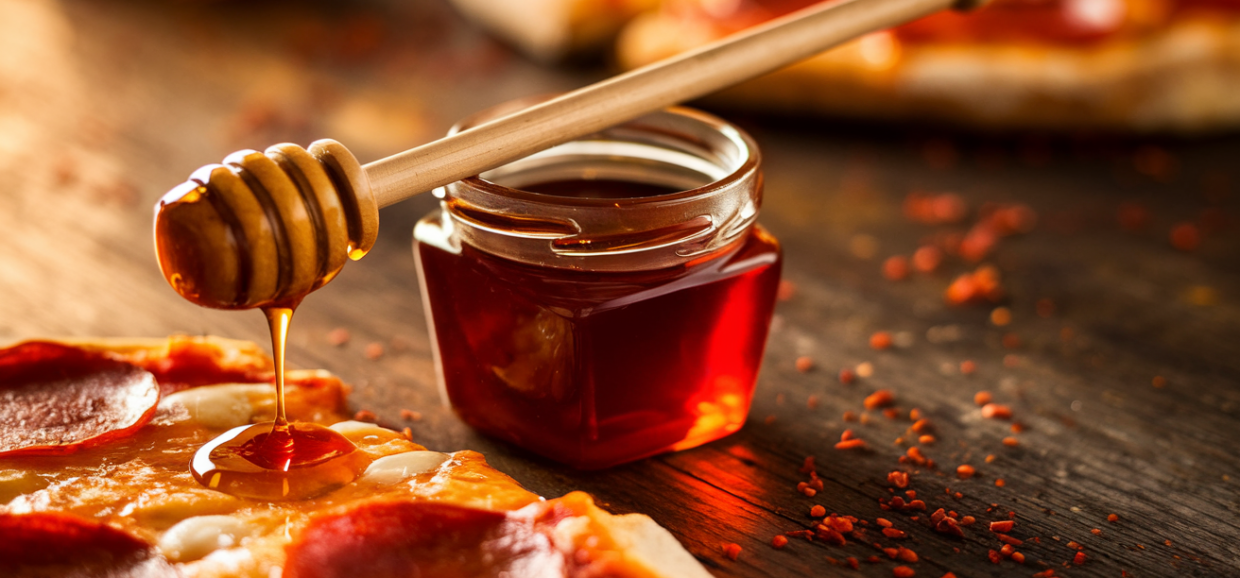
Hot honey is exactly what it sounds like: raw honey infused with chili peppers, resulting in a condiment that’s simultaneously sweet, floral, and gently (or aggressively, depending on how you make it) spicy. The heat builds slowly after the sweetness hits first, which is what makes it so addictive.
The brand that put hot honey on the map is Mike’s Hot Honey, started by Mike Kurtz at a Brooklyn pizzeria in 2010 after he came back from Brazil with a taste for chili-infused honey. It went from a local pizza topping to a national phenomenon, and now you’ll find it at Whole Foods, Target, and a dozen other places. But the homemade version tastes just as good and costs a fraction of the price.
In 2026, hot honey is part of the broader “swicy” trend — the sweet-plus-spicy flavor combination that’s dominated menus and social media for the past two years. Chili chocolate, spicy mango, honey sriracha — all the same idea. Hot honey is just the most versatile expression of it.
Why Sweet and Spicy Work So Well Together
There’s actual flavor science behind why this combination is so compelling. Sweetness reduces the perception of capsaicin heat — your brain processes them in a way that makes each sensation more enjoyable, not just tolerable. The sweetness doesn’t cancel out the spice; it dials it down just enough to make you want more instead of reaching for water.
Heat also does something interesting to savory food. It amplifies depth — the same reason hot honey on pizza tastes completely different from plain honey on pizza. The chili opens up the savory, salty, fatty notes in the toppings and makes the whole thing more interesting. It creates contrast, and contrast is what makes food memorable.
This is the exact same principle behind chili chocolate, mango with Tajín, and Nashville hot chicken with honey. The contrast creates craving. Once you understand that, you start seeing hot honey opportunities everywhere.
How to Make Hot Honey at Home (5 Minutes, 3 Ingredients)
You don’t need Mike’s Hot Honey. You can make your own right now, in about five minutes, with things that are probably already in your pantry.
Ingredients:
- 1 cup raw honey
- 2 teaspoons red chili flakes (adjust to taste — see heat guide below)
- 1 teaspoon apple cider vinegar (optional, but adds a nice depth)
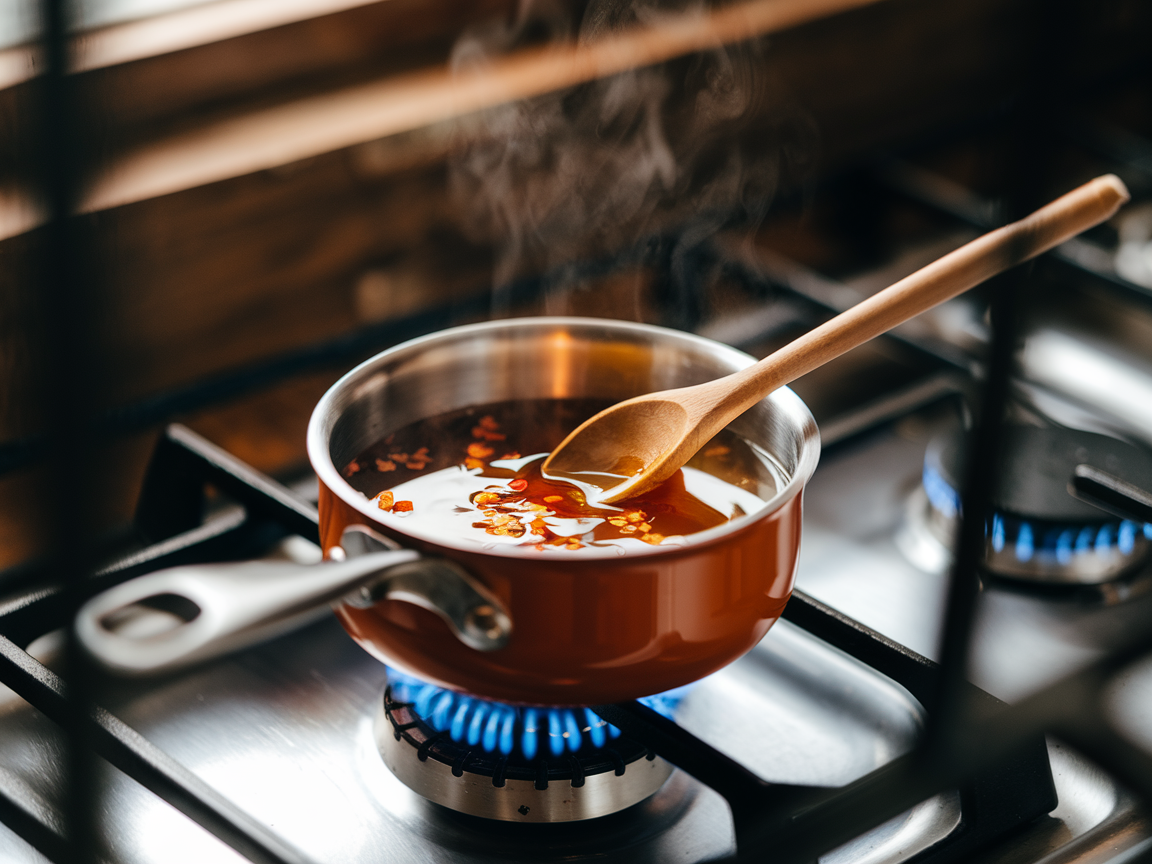
Method: Combine the honey, chili flakes, and vinegar in a small saucepan over low heat. Warm gently for 5 minutes, stirring occasionally — do not let it boil. Boiling changes the texture and can make the honey taste bitter. You just want it warm enough to infuse.
After 5 minutes, you have a choice: strain out the flakes for a smoother, milder honey, or leave them in for extra heat and texture. Either way, pour it into a clean glass jar. It keeps at room temperature for up to 3 months.
Heat level guide:
- 1 teaspoon chili flakes = mild (noticeable warmth, great for everyday use)
- 2 teaspoons = medium (the sweet spot for most palates)
- 3–4 teaspoons = hot (you’ll feel it — great for heat lovers)
7 Ways to Use Hot Honey in Your Cooking
This is where things get fun. You can pour hot honey on almost anything — here are the seven uses that’ll actually become habits, not just one-time experiments.
- Pizza — Drizzle it on right before serving, especially on pepperoni or prosciutto pizza. The contrast of salty, greasy, sweet, and spicy is the reason this combo made Mike’s Hot Honey famous. Start with half a teaspoon per slice and adjust from there.
- Fried chicken — Pour it over crispy fried chicken while it’s still hot so it soaks into the breading slightly. The salty crunch plus sweet heat is the kind of combination people talk about. This is also the foundation of Nashville hot honey chicken if you want to lean into it.
- Roasted vegetables — Toss broccolini, Brussels sprouts, or roasted carrots with a spoonful right after they come out of the oven. The heat of the vegetables helps the honey melt and caramelize slightly. It also makes vegetables genuinely exciting to eat, which is worth a lot.
- Cheese boards — Drizzle it over sharp cheddar, brie, or blue cheese. Hot honey does something remarkable with blue cheese in particular — the funky saltiness pairs with the sweet heat in a way that feels almost fancy. Your guests will ask what it is.
- Salad dressing — Whisk 1 tablespoon hot honey with 2 tablespoons olive oil, 1 tablespoon apple cider vinegar, a pinch of salt, and a small clove of grated garlic. That’s a full vinaigrette in 60 seconds, and it’s excellent on a simple arugula salad or grain bowl. Check out our easy weeknight dinners for more ways to build meals around dressings like this.
- Cocktails — A teaspoon of hot honey in a whiskey sour or mezcal cocktail adds complexity and a slow burn at the finish. If you’re into food-adjacent chef secrets for better flavor, using flavored syrups in drinks is one of the easiest upgrades you can make.
- Ice cream — This one sounds unlikely but try it: vanilla ice cream, a drizzle of hot honey, a pinch of flaky sea salt. The temperature contrast (cold cream, warm honey) plus the sweet-spicy-salty combination is genuinely excellent. Trust the process on this one.

Frequently Asked Questions
How spicy is hot honey?
It depends entirely on how much chili you use. With 1 teaspoon of flakes per cup of honey, it’s mild — you’ll notice warmth but it won’t challenge you. At 2–3 teaspoons, it has a real kick that builds over a few seconds. If you’re heat-sensitive, start with less and taste as you go. The great thing about making it yourself is that you’re fully in control.
Can you buy hot honey instead of making it?
Yes — Mike’s Hot Honey is the most widely available brand and it’s genuinely good. You’ll also find it at farmers markets and specialty food stores under various names. That said, homemade takes 5 minutes and lets you dial in exactly the heat level and sweetness you want. It’s hard to justify the price once you’ve made your own.
Does hot honey go bad?
Honey itself doesn’t really go bad — it’s naturally antimicrobial. Homemade hot honey kept in a clean glass jar at room temperature will stay good for 2–3 months. If you want to keep it longer, you can refrigerate it (it’ll solidify but will liquify again when warmed). The one thing to avoid: don’t introduce water into the jar, which can cause fermentation.
What’s the difference between hot honey and chili oil?
They’re both chili-infused condiments but completely different in flavor and texture. Chili oil is savory, oily, and usually umami-forward — it’s a savory condiment. Hot honey is sweet first, then spicy. They serve different purposes and they’re not interchangeable, though you can sometimes use both on the same dish (like pizza) for layered flavor.
Make a Batch This Week — You Won’t Stop Using It
What is hot honey and how to use it in cooking is one of those questions with a deeply satisfying answer: it’s a five-minute ingredient that makes everything it touches more interesting. Start with the basic recipe — 1 cup honey, 2 teaspoons chili flakes, a splash of vinegar — and pour it on pizza the first night. You’ll have a second use figured out before you’re done eating.
Drop a comment below and let us know what you put it on first. We’ve heard some unexpected combinations that became permanent fixtures in readers’ kitchens.