
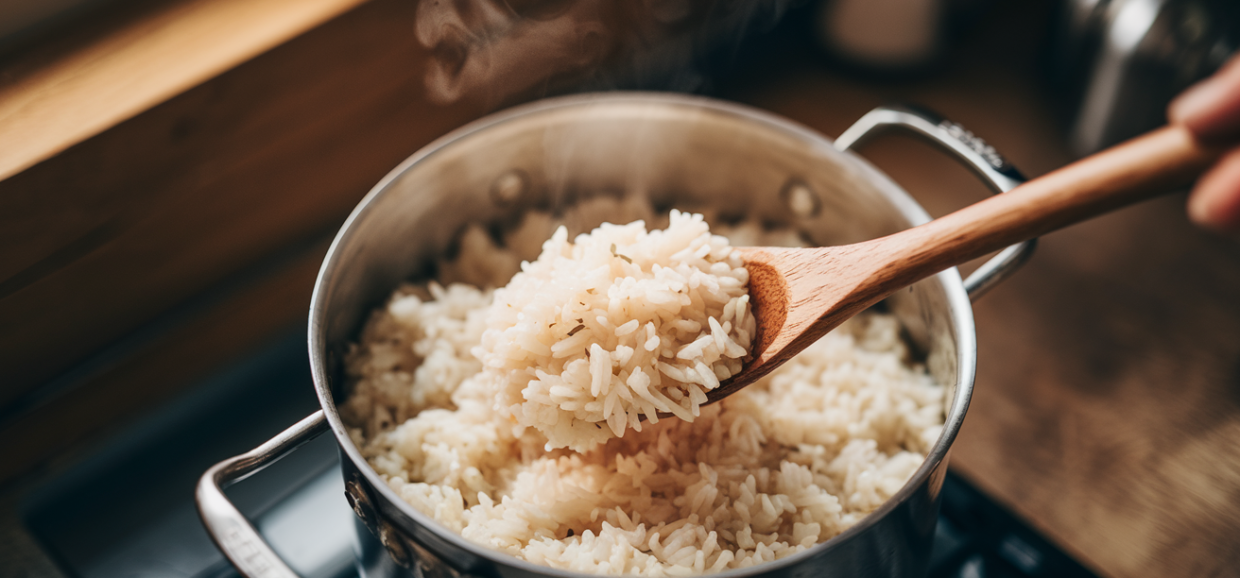
You lifted the lid, and the rice is a sticky, waterlogged mess. Before you throw it out and start over — don’t. Overcooked rice is salvageable more often than you’d think, and the fix is usually faster than cooking a fresh pot from scratch.
The problem is that most articles about mushy rice tell you to just start over. This one won’t. Instead, here’s a decision tree: assess how bad the damage is, and we’ll tell you exactly what to do. From slightly soft grains to a pot of full-on mush, there’s a method that works for each level of overcooking.
Here’s how to fix overcooked rice — and how to make sure it doesn’t happen again.
First: Is Your Rice Actually Salvageable?
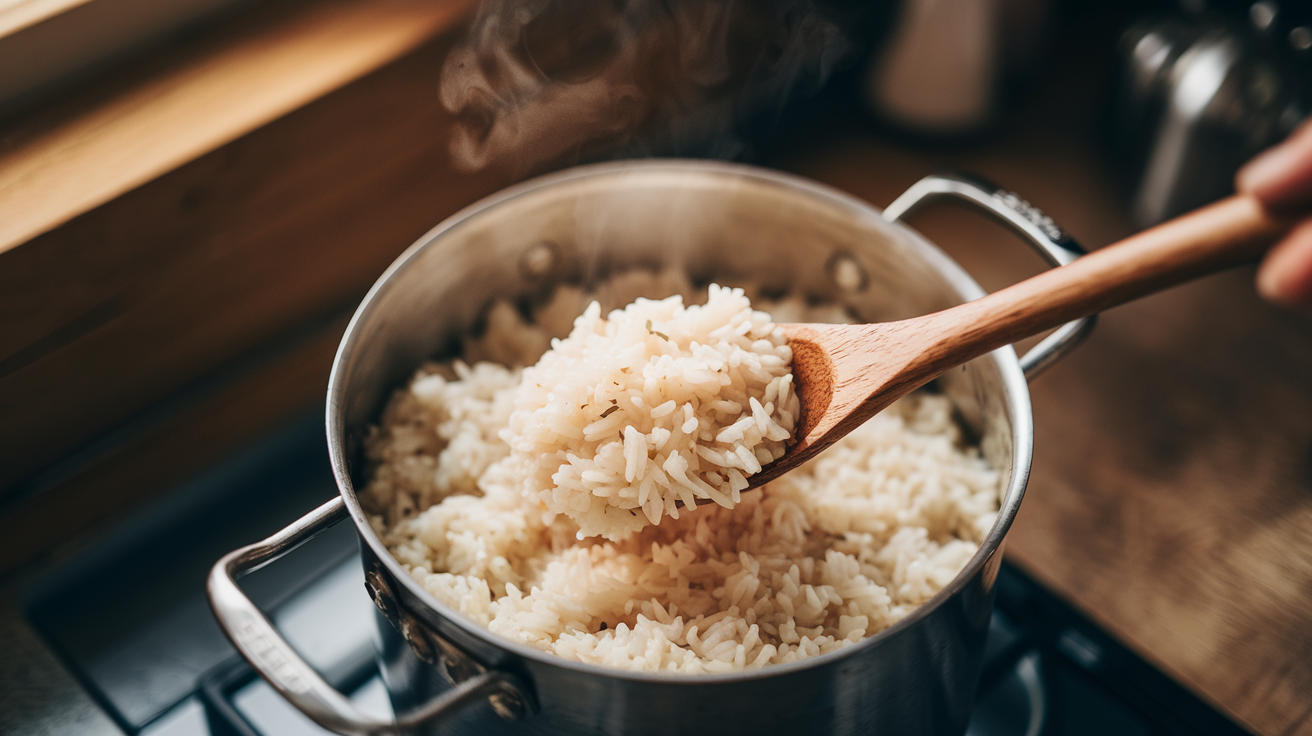
Not all overcooked rice is equal. Before you pick a method, stir a spoonful and assess. If the grains are mostly intact and the texture is just softer than you wanted, you’re in great shape — all three methods below will work. If the grains are swollen and mushy but still holding a recognizable shape, Methods 2 and 3 are your options.
Quick test: stir a spoonful. If you can still see individual grain outlines, even soft ones, you have options. If the rice has turned into one solid paste, jump straight to Method 3.
Signs it’s gone too far: a burned-black bottom, a distinctly sour or fermented smell, or a uniformly gray, sticky color throughout. Everything else? Rescuable.
Method 1: Spread and Dry (For Slightly Overcooked Rice)
Best for: rice that’s a bit soft but not wet — grains are still mostly separate, just lacking that firm bite you were going for.
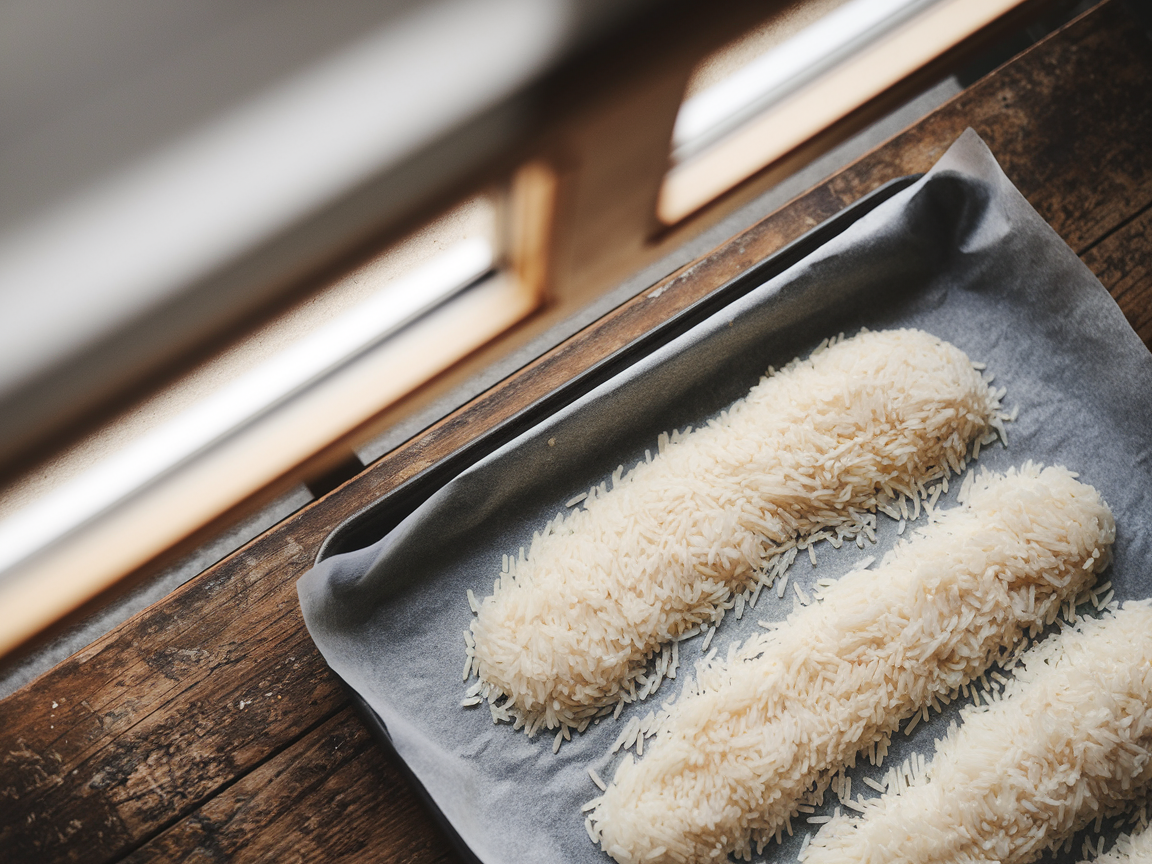
Preheat your oven to 300°F. Spread the rice out in a single, even layer on a rimmed baking sheet — don’t pile it up. Place it on the center rack for 5 minutes. That’s it. The low heat gently draws out excess moisture without cooking the rice further or turning the bottom layer crispy. Remove the pan and let the rice rest for 2 minutes. You’ll notice the texture firming up as it cools and dries.
This works because the issue with slightly overcooked rice is usually too much steam trapped inside the pot — not a structural breakdown of the grain. A few minutes of dry heat corrects the moisture imbalance without a full restart.
Method 2: Drain and Steam With a Towel (For Mushy, Wet Rice)
Best for: rice that’s visibly wet and clumped — waterlogged grains that have lost their separation but haven’t fully disintegrated.
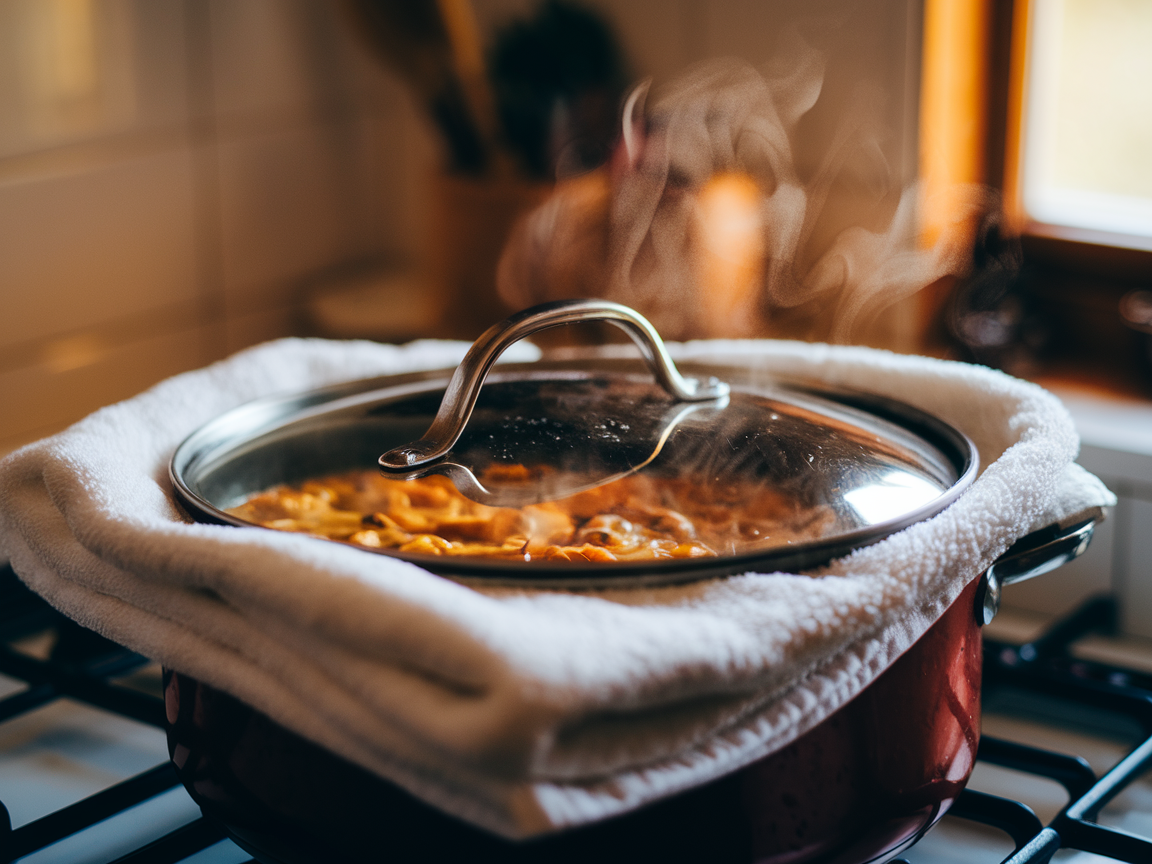
Pour the rice into a colander and let any standing water drain off. Dry your pot completely — this part matters. Return the rice to the dry pot, then place a clean kitchen towel, folded once or twice, flat over the top of the pot before putting the lid on. Cook on the lowest heat setting your stove has for 10 minutes. After 10 minutes, remove from heat and let it rest with the lid still on for another 5 minutes before fluffing with a fork.
Here’s why this works: the towel absorbs the steam that would otherwise condense on the lid and fall back down onto the rice — which is exactly what keeps making it wetter. This is the method professional cooks use in restaurant kitchens when they need to rescue a batch quickly. The physics are simple: trapped steam equals wet rice. The towel intercepts that steam before it can do more damage.
Method 3: Turn It Into Something Better (For Fully Mushy Rice)
Best for: rice that’s beyond rescue as plain rice — but still safe, unspoiled, and worth using.
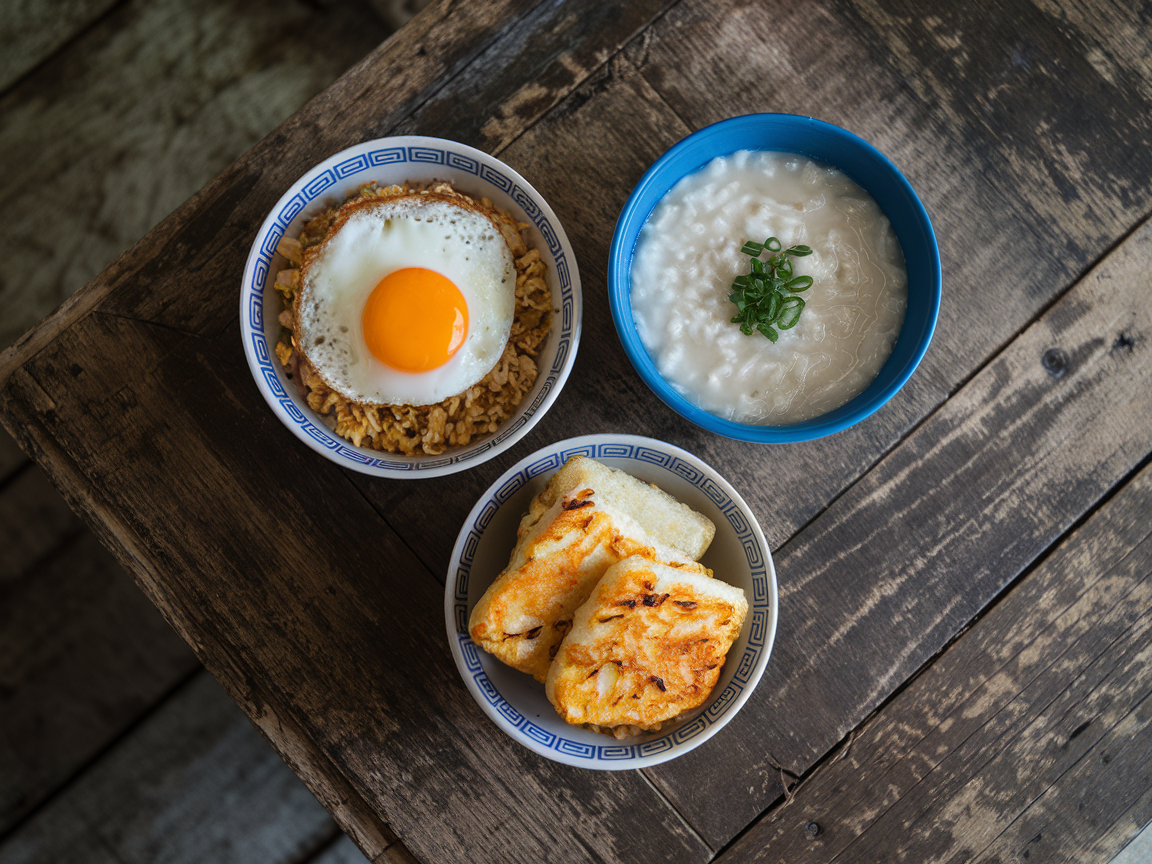
Mushy rice is, counterintuitively, the perfect starting point for three other dishes. Fried rice is the most forgiving: heat a wok or large skillet over high heat, add oil, crack two eggs directly into the pan, scramble briefly, then add the mushy rice and press it down against the hot surface. The intense heat firms up the grains and adds a light char. Add soy sauce, a few drops of sesame oil, and whatever vegetables you have on hand. The result is better than most takeout fried rice.
Congee is the other natural fit. Add 4 cups of chicken or vegetable broth to your pot of mushy rice, bring it to a gentle simmer, and cook for 20 minutes, stirring occasionally. Season with fresh ginger, soy sauce, and a drizzle of sesame oil. What started as a mistake becomes an intentional comfort dish that takes 20 minutes.
Rice patties are a third option if you want something crispy: mix the mushy rice with a beaten egg and a handful of shredded cheese, form into patties, and pan-fry in a little oil until golden on both sides. They hold together well, crisp up beautifully, and work as a side dish or a quick snack.
Why Does Rice Overcook? (So It Doesn’t Happen Again)
Understanding the cause is the fastest path to preventing a repeat. The #1 culprit is too much water. For standard long-grain white rice, the correct ratio is 1 cup rice to 1.75 cups water. Many home cooks default to 2 cups, which consistently produces wet, soft results — especially combined with a lid that seals tightly. Measure precisely every time, and you’ll eliminate most overcooking before it starts.
The second issue is heat. After bringing the water to a boil and adding the rice, drop to the lowest simmer your stove can hold and leave it there. Medium heat cooks away the water too fast, causing the exterior of each grain to break down before the inside is done. And lifting the lid is more costly than it seems — every peek releases steam and adds an estimated 5 minutes back into the required cook time.
If this happens consistently despite doing everything right, check out our full guide on why does my rice come out mushy — it walks through the root causes by stove type and pan material so you can dial in your setup once and for all.
Frequently Asked Questions
Is overcooked rice safe to eat?
Yes — overcooked rice that hasn’t been sitting at room temperature for more than 2 hours is completely safe to eat. The texture changes, but the food safety rules are the same as any cooked rice: refrigerate within 2 hours and use within 3 days.
Can you fix overcooked rice in a rice cooker?
The towel method works in a rice cooker. Remove the inner pot, drain standing water, return the rice, place a folded clean towel over the opening before snapping the lid on, and run the “keep warm” cycle for 10 minutes. The result is nearly identical to the stovetop version.
Does overcooked rice have more calories than properly cooked rice?
Not significantly. Overcooked rice absorbs more water, which slightly dilutes the caloric density, but the difference is minimal. The more meaningful change is in how quickly it digests — overcooked white rice breaks down faster and may raise blood sugar more quickly than al dente rice.
How do restaurants keep rice from getting mushy?
Professional kitchens use the towel method routinely and often hold cooked rice in a low oven at 200°F, uncovered, to prevent steam buildup under a lid. They also measure water by weight rather than volume for consistent precision across large batches.
A Rescued Pot Is Still a Good Pot
Every home cook overcooks rice at some point — it’s one of the most common kitchen frustrations, and it has nothing to do with skill level. Now you have a plan for every scenario: slightly soft gets the baking sheet, waterlogged gets the towel trick, fully mushy gets transformed into something you’d actually choose to make. The fix is almost always faster than starting over. For more ideas on using what you have in the kitchen efficiently, browse our quick weeknight dinner ideas — plenty of them start with exactly what’s already in your pot.