

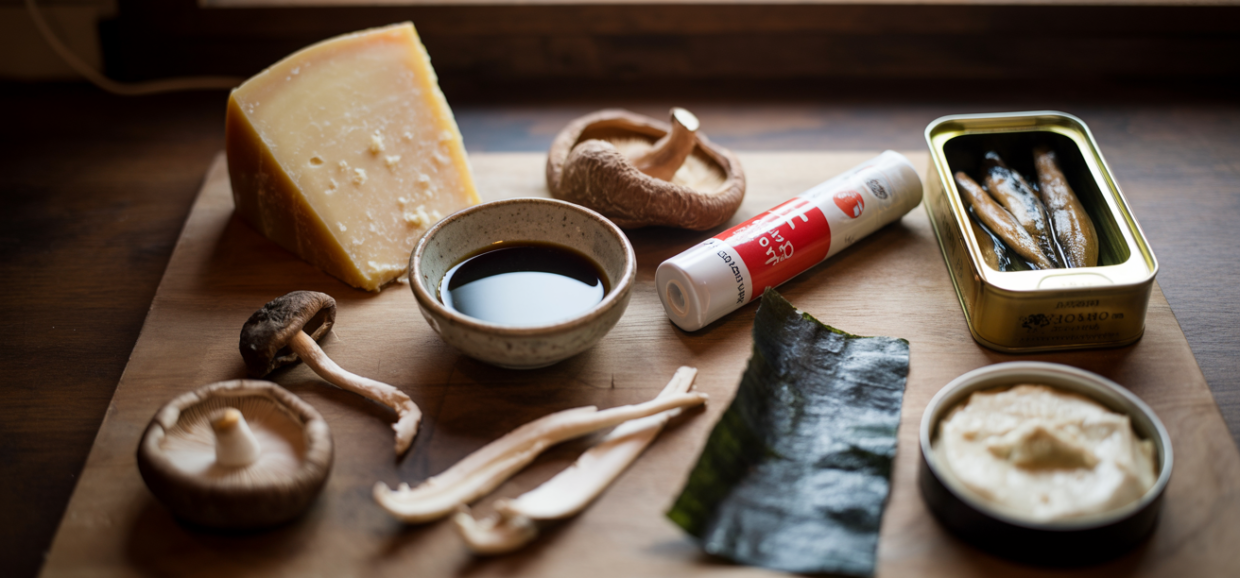
I spent years wondering why my homemade soups tasted flat even when I’d salted them properly, added acid, layered herbs — the works. Then someone handed me a small chunk of Parmesan rind and told me to toss it into my next pot of minestrone. That single move transformed a bowl of “fine, I guess” soup into something I genuinely craved. What changed? Umami. That deep, savory, almost meaty richness that your tongue recognizes but your brain can’t quite name. It’s the fifth taste — right alongside sweet, salty, sour, and bitter — and once you learn to harness it, your cooking will never feel one-dimensional again.
Umami was identified by Japanese chemist Kikunae Ikeda in 1908 when he isolated glutamate from kombu seaweed. But humans have been chasing this taste for centuries — think fermented fish sauces in ancient Rome, aged cheeses across Europe, soy sauce throughout Asia. The science is straightforward: umami comes from glutamates, inosinate, and guanylate — amino acids and nucleotides found naturally in certain foods. When you combine multiple umami sources, they don’t just add up; they *multiply*. That’s called umami synergy, and it’s the secret weapon behind some of the best dishes you’ve ever eaten. Let me walk you through ten ways to put it to work in your own kitchen.
1. Soy Sauce — The Everyday Powerhouse
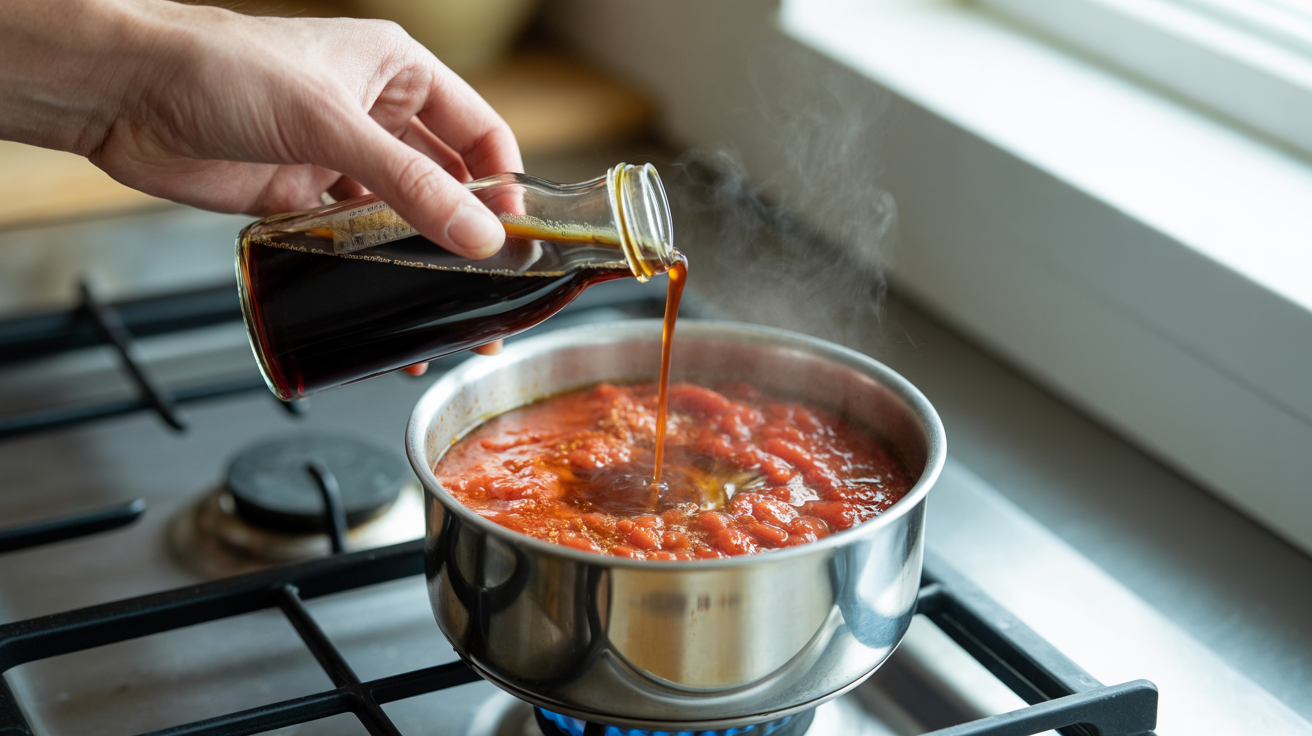
If you only keep one umami ingredient in your kitchen, make it soy sauce. I’m not talking about the stuff in those little packets from takeout — I mean a quality naturally brewed soy sauce like Kikkoman or, if you want to go deeper, a Korean guk-ganjang (soup soy sauce) that’s been fermented for months. The glutamate concentration in good soy sauce is staggering, and it dissolves instantly into almost anything liquid.
Here’s what most people get wrong: they only use soy sauce in stir-fries and Asian dishes. **Start adding it everywhere.** A teaspoon in your chili. A splash in beef stew. A few drops whisked into vinaigrette. It won’t make things taste “Asian” — it just makes things taste *more*. I add about half a teaspoon to my tomato sauce and nobody has ever identified it. They just say the sauce tastes richer. Start with small amounts — maybe half a teaspoon per four servings — and taste as you go. You want depth, not saltiness.
2. Parmesan Cheese (and Its Rinds)
Parmigiano-Reggiano is basically a block of concentrated umami. Those white crystals you see in a well-aged wedge? That’s tyrosine, an amino acid — a literal signpost that says “this cheese is loaded with glutamates.” A 24-month aged Parmesan has one of the highest natural glutamate levels of any food on the planet.
The move that changed my cooking: **save every single Parmesan rind.** Toss them in a zip-lock bag in the freezer. When you’re making soup, risotto, beans, or any braise, drop a rind in and let it simmer for at least 30 minutes. It won’t fully dissolve, but it will release a wave of savory richness into the liquid that salt alone can never achieve. Fish out the softened rind before serving, or chop it up and leave it in — it gets beautifully chewy. Don’t waste a single scrap of that cheese.
3. Fish Sauce — Don’t Be Scared
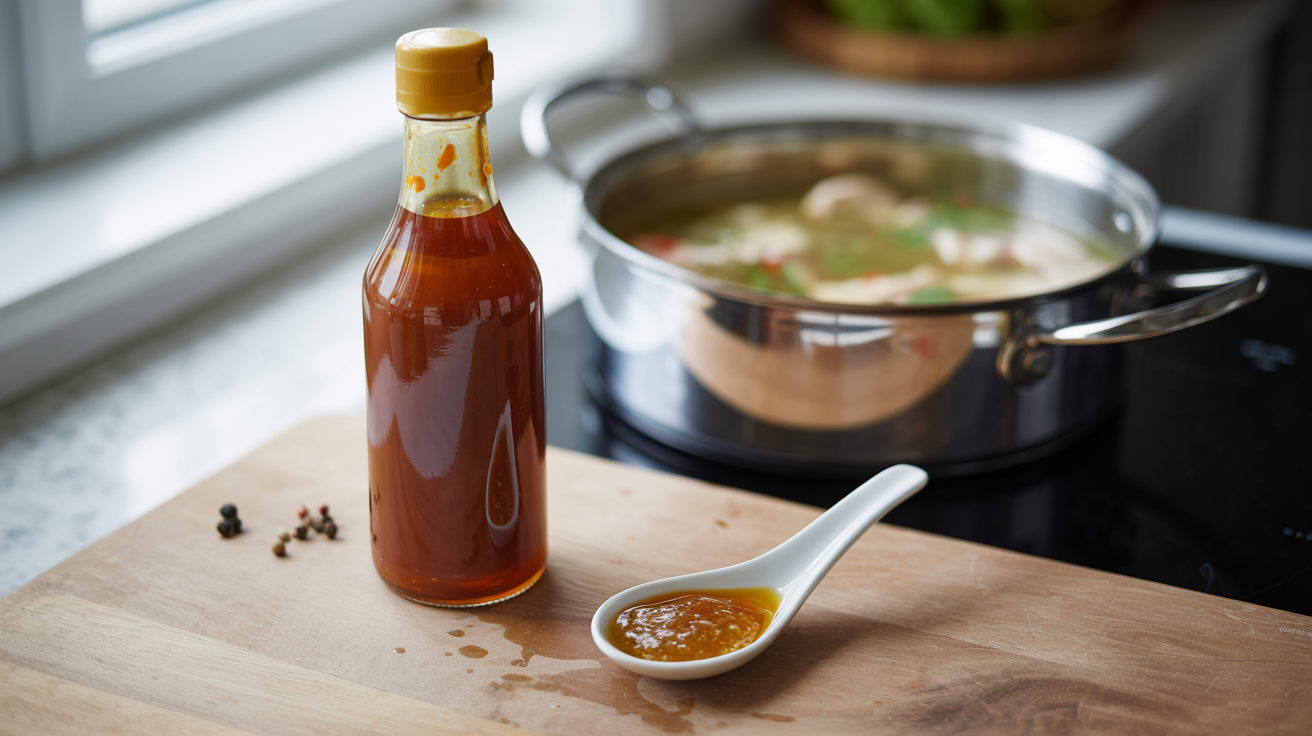
I know, I know. You opened a bottle once, got a whiff, and put the cap right back on. I get it. Fish sauce smells *aggressive* straight from the bottle. But here’s the thing: **used correctly, it’s invisible and transformative.** One teaspoon in a pot of chicken soup makes it taste like you simmered that bird for eight hours instead of two. Nobody will taste fish. I promise.
Red Boat 40°N is my go-to brand — it’s a first-press fish sauce from Vietnam with a clean, deep flavor. Start with just half a teaspoon in a dish that serves four. Add it early in cooking so the harsh edges mellow out. I use it in Caesar dressing (traditional recipes call for anchovies, which are basically the same idea), in bolognese, in scrambled eggs, and in marinades for grilled chicken. If you’re vegetarian, mushroom-based “fish sauce” from brands like Healthy Boy makes a solid substitute.
4. Tomato Paste — Concentrated Magic
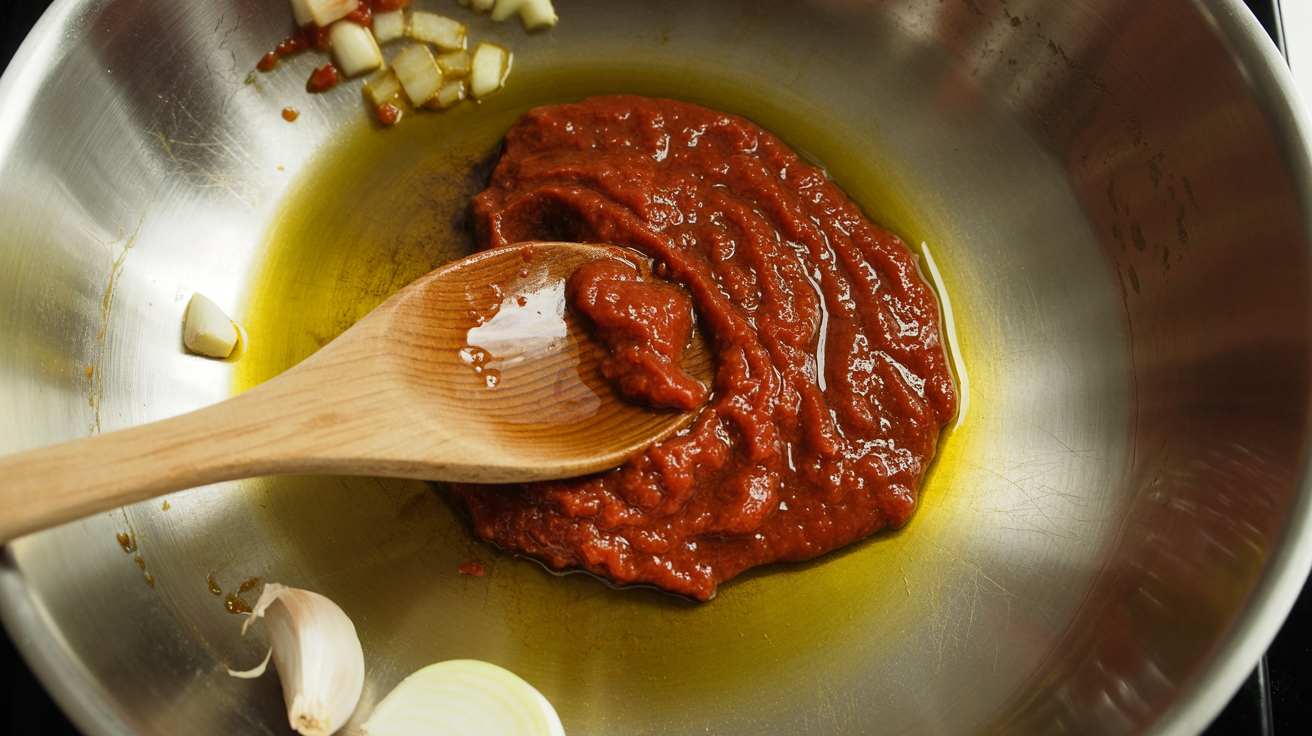
Ever wonder why a tiny squeeze of tomato paste makes such a dramatic difference in stews? Tomatoes are naturally rich in glutamate, and when you concentrate them into paste, you’re packing all that umami into a dense, shelf-stable form. Sun-dried tomatoes work the same way — dehydration intensifies everything.
**Do not just dump tomato paste into liquid.** This is the step most people skip: you need to fry it first. Add a tablespoon or two of tomato paste directly to the fat in your pan after you’ve sautéed your aromatics. Let it cook, stirring constantly, for about 90 seconds until it turns from bright red to a deeper brick color and starts to smell almost caramel-sweet. That’s the Maillard reaction working on all those concentrated sugars and amino acids. Then add your liquid. The flavor difference between fried and unfried tomato paste is enormous — like comparing raw flour to toasted bread.
5. Dried Mushrooms — Umami in Dust Form
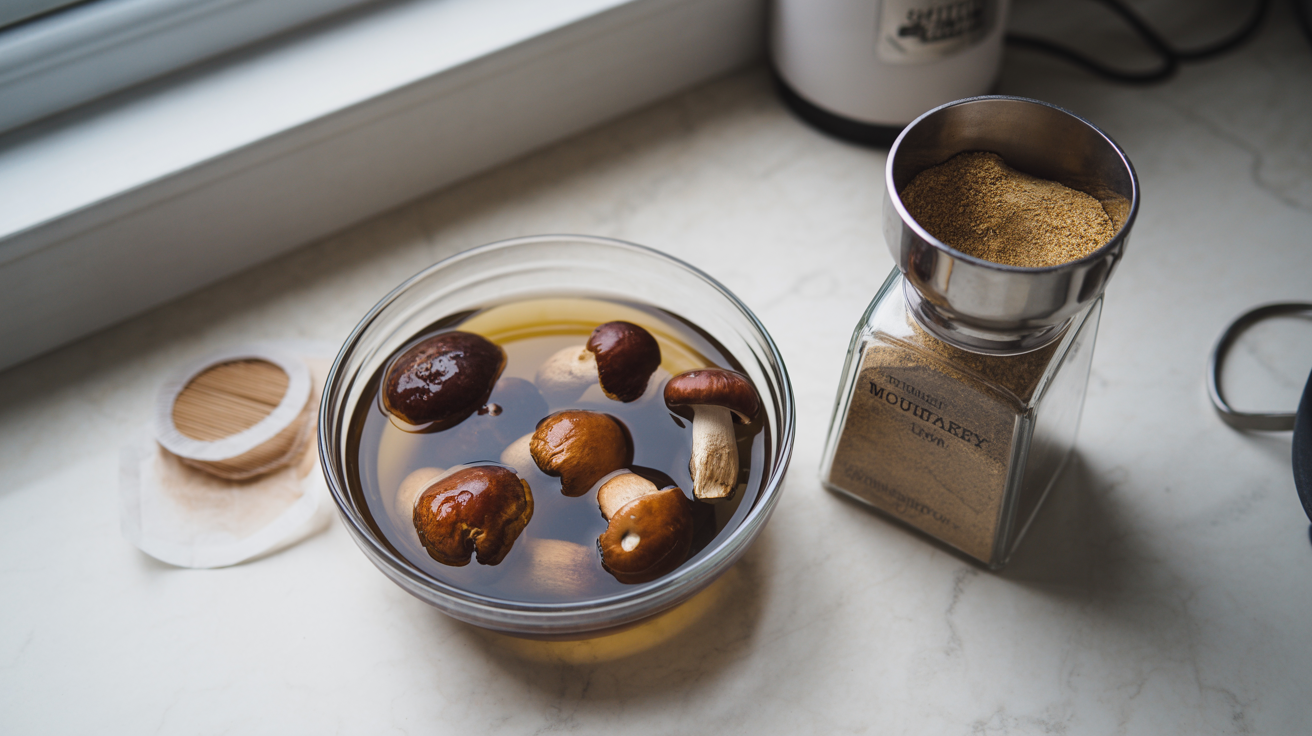
Dried porcini and dried shiitake mushrooms are two of the most potent umami ingredients you can buy. Shiitakes are especially interesting because they contain guanylate — a different umami compound that, when combined with glutamate from other sources, creates that synergy effect I mentioned earlier. Translation: dried shiitakes plus Parmesan equals way more than the sum of their parts.
Keep a bag of dried porcini in your pantry. When you need them, soak about half an ounce in a cup of hot water for 20 minutes. Use both the rehydrated mushrooms *and* the soaking liquid — that dark, fragrant broth is liquid gold. Strain it through a coffee filter to catch any grit. I also grind dried shiitakes into a powder using a spice grinder and keep it in a jar. A quarter teaspoon of that powder stirred into gravy, burger patties, or even roasted vegetables is a quiet revolution.
6. Miso Paste — Not Just for Soup
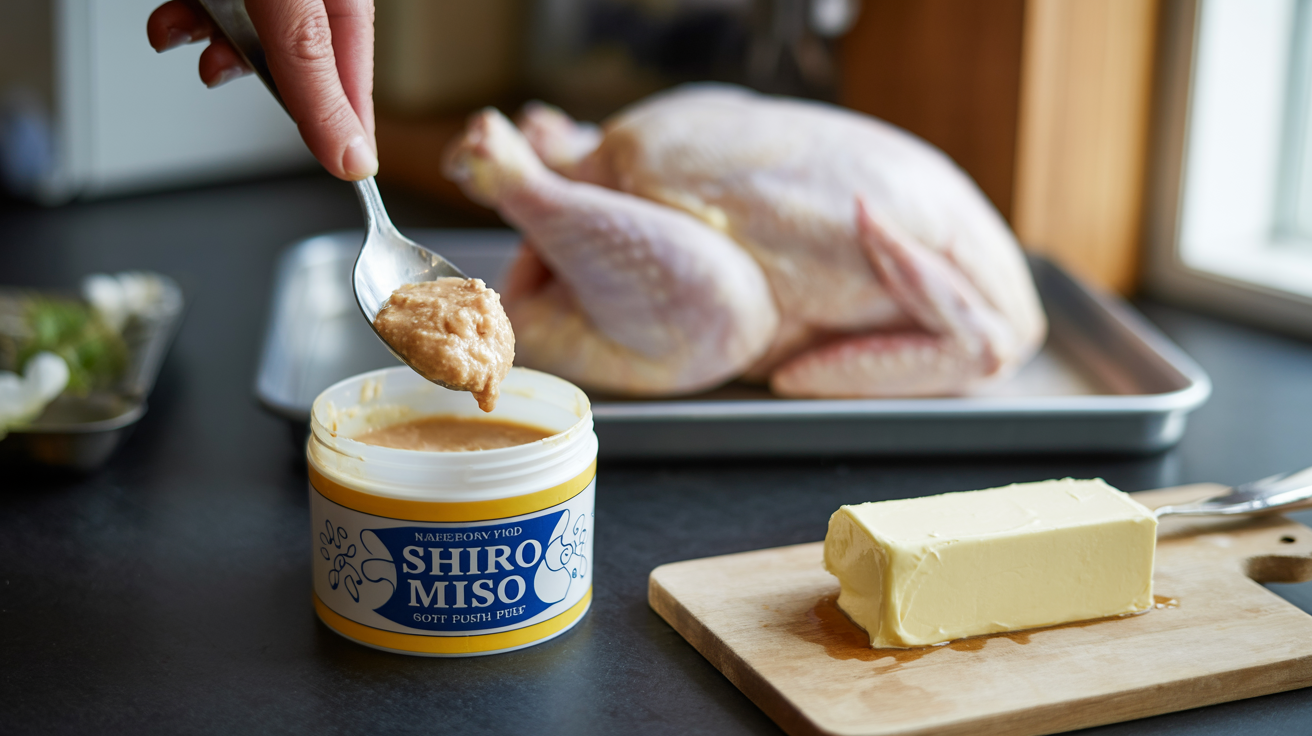
White (shiro) miso is mild and slightly sweet. Red (aka) miso is deeper and funkier. Both are fermented soybean pastes absolutely loaded with glutamates. And while miso soup is wonderful, that’s barely scratching the surface of what this ingredient can do.
I whisk a tablespoon of white miso into butter and spread it under the skin of a chicken before roasting. The result is *ridiculously* savory skin with a golden-brown color that looks like it belongs in a magazine. Miso also works stirred into mashed potatoes, blended into salad dressings, or glazed onto roasted root vegetables. **One critical rule: never boil miso.** High heat kills the active cultures and dulls the flavor. Add it at the end of cooking, off the heat, and stir it into warm (not screaming hot) liquid.
7. Anchovies — The Secret No One Admits To
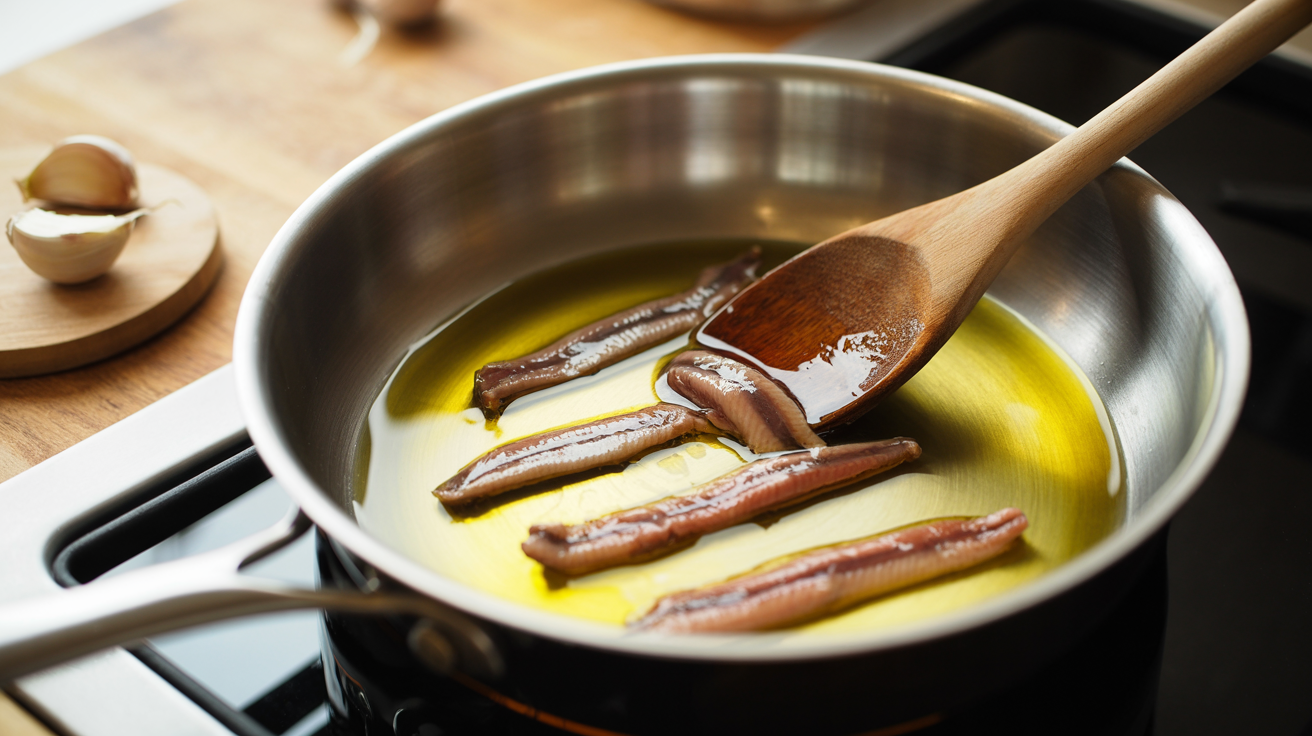
Here’s a confession: I put anchovies in more dishes than I’ll ever publicly admit to my picky-eater friends. When you cook anchovies in hot oil, they dissolve completely within about two minutes. They leave behind zero fishiness and a ton of savory depth. This is why Italian grandmothers have been doing it for generations.
Heat two tablespoons of olive oil in a 12-inch skillet over medium-low heat. Add four or five anchovy fillets (the ones packed in olive oil, not the salt-packed kind unless you’ve soaked and rinsed them). Stir them around with a wooden spoon and watch them literally melt into the oil. Now build your sauce on top of that — garlic, tomatoes, whatever you like. This is the foundation of puttanesca, but I use the same technique for broccoli rabe, kale, braised white beans, and even the base of a pot roast. **Nobody will know they’re there.** They just know your food tastes incredible.
8. Worcestershire Sauce — The Western Umami Bomb
Worcestershire sauce is basically the British answer to fish sauce — it contains fermented anchovies, tamarind, molasses, and vinegar, all of which contribute layers of umami, acidity, and sweetness. It’s been sitting in your fridge door for years, and you probably only use it for Bloody Marys. Time to change that.
A few dashes in your burger mix before shaping patties. A tablespoon stirred into a pan sauce after you’ve seared a steak. A splash in French onion soup. I even add it to mac and cheese — about a teaspoon per batch — and it gives the sauce a savory backbone that plain cheddar just doesn’t have on its own. **Shake the bottle well before using.** The sediment at the bottom is where a lot of the good stuff lives. If you’re vegetarian, Annie’s makes a Worcestershire without anchovies that works reasonably well.
9. Kombu — Where It All Began
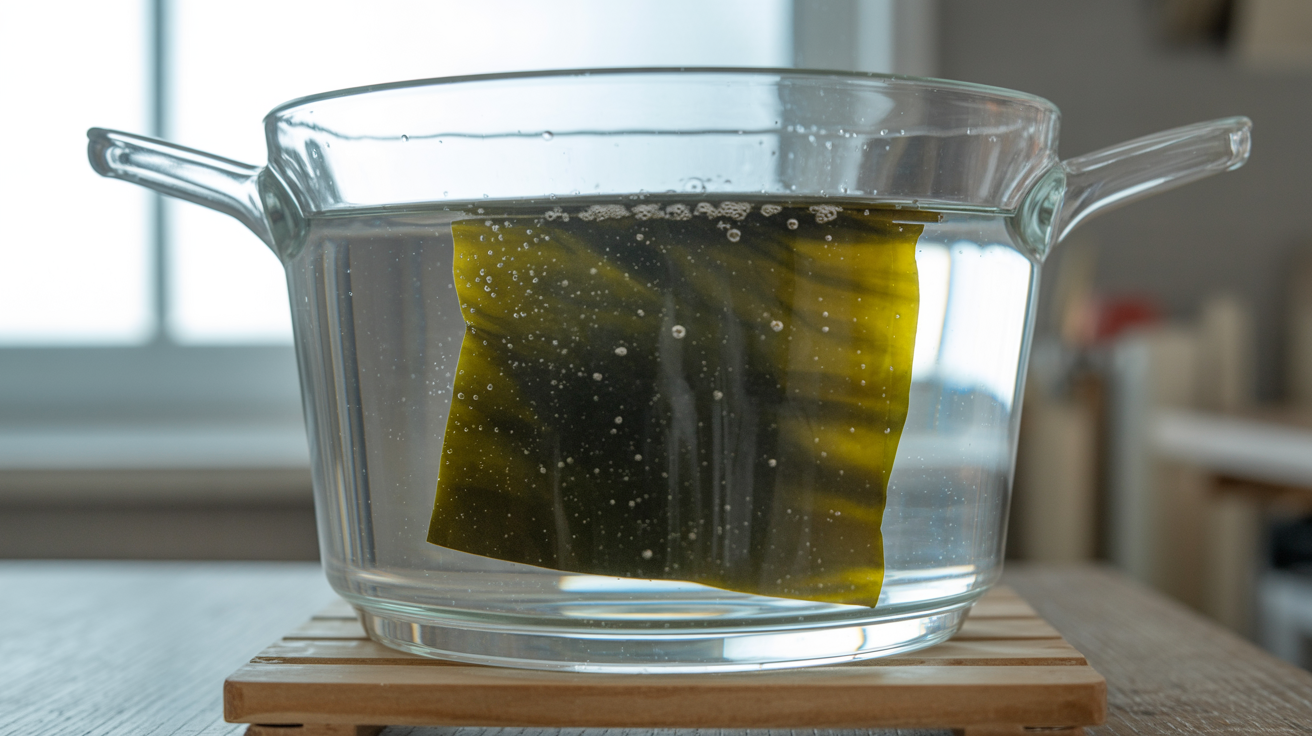
Remember Kikunae Ikeda, the chemist who discovered umami? Kombu is exactly what he was studying. This thick, dark sheet of dried kelp is the backbone of Japanese dashi — one of the most important broths in all of cooking. And making a basic dashi is absurdly simple: soak a 4-inch piece of kombu in four cups of cold water for 30 minutes, then slowly heat it until just below a simmer. Pull out the kombu before the water boils (boiling makes it slimy and bitter). That’s it. You now have a deeply savory broth.
But you don’t have to make dashi to use kombu. Toss a small piece into your pot when cooking dried beans or grains — it seasons the cooking liquid and also helps beans cook more evenly. Drop a piece into the water when making stock. I even simmer a strip of kombu in my rice water. **Buy it at any Asian grocery store for about three dollars.** It keeps forever in a dry pantry. Look for white powder on the surface — that’s natural glutamate, not mold. Don’t wash it off.
10. Fermented Black Bean Paste (Doenjang or Doubanjiang)
If miso is umami in a gentle whisper, fermented bean pastes from Korea and China are umami at full volume. Korean doenjang is earthier and more pungent than Japanese miso — it’s made with soybeans and brine and fermented for months or even years. Chinese doubanjiang (especially the kind from Pixian) adds the heat of fermented chili peppers alongside that deep savoriness.
I use doenjang in stews and braises where I want a bold, almost funky depth — it’s incredible stirred into a pot of braised short ribs or mixed into a marinade for grilled pork. Doubanjiang is my starting point for mapo tofu and any Sichuan-style stir-fry. **A tablespoon of either one, fried in oil for 30 seconds, creates a flavor base that would take hours to build otherwise.** These pastes keep for months in the fridge. If you’re new to them, start with doenjang — its flavor is more approachable, closer to a very intense miso.
Frequently Asked Questions
What does umami actually taste like?
Umami is hard to describe because it’s not as obvious as sweet or salty. Think of the deep, savory, almost mouth-coating richness you taste when you bite into a ripe tomato, a piece of aged cheese, or a spoonful of well-made broth. It makes your mouth water and gives food a sense of fullness and satisfaction. If a dish tastes flat even after you’ve added enough salt, it’s probably missing umami.
Can you have too much umami?
Absolutely. Overdoing it makes food taste muddy and overwhelmingly salty-savory — almost metallic. The goal is to use umami ingredients as a supporting layer, not the star. Start with small amounts and taste constantly. When a dish suddenly goes from “good” to “I can’t stop eating this,” you’ve hit the right level.
Is MSG the same as umami?
MSG (monosodium glutamate) is the most concentrated form of umami you can buy — it’s pure glutamate in crystal form. It’s safe, despite decades of unfounded panic, and it’s a legitimate tool. I keep a bag of Ajinomoto MSG in my spice drawer. A tiny pinch — like a quarter teaspoon — can brighten a dish the same way a squeeze of lemon adds acidity. But whole-food umami sources like Parmesan, miso, and soy sauce bring complexity that MSG alone can’t replicate, so I use both.
What are the best umami sources for vegetarians?
Miso paste, soy sauce, tomato paste, dried mushrooms, kombu, nutritional yeast, and fermented bean pastes are all plant-based and extremely rich in umami. Combining two or more of these — like miso plus dried shiitake powder — triggers that synergy effect and creates depth that rivals any meat-based stock.
Understanding umami isn’t about memorizing chemistry — it’s about training your palate to recognize when a dish needs that savory push and knowing which ingredient to reach for. Start with one or two items from this list, experiment, and pay attention to how they change a dish. The moment you taste the difference a Parmesan rind makes in a pot of beans, or what a half-teaspoon of fish sauce does to your chicken soup, there’s no going back. Your pantry is about to get a lot more interesting.