

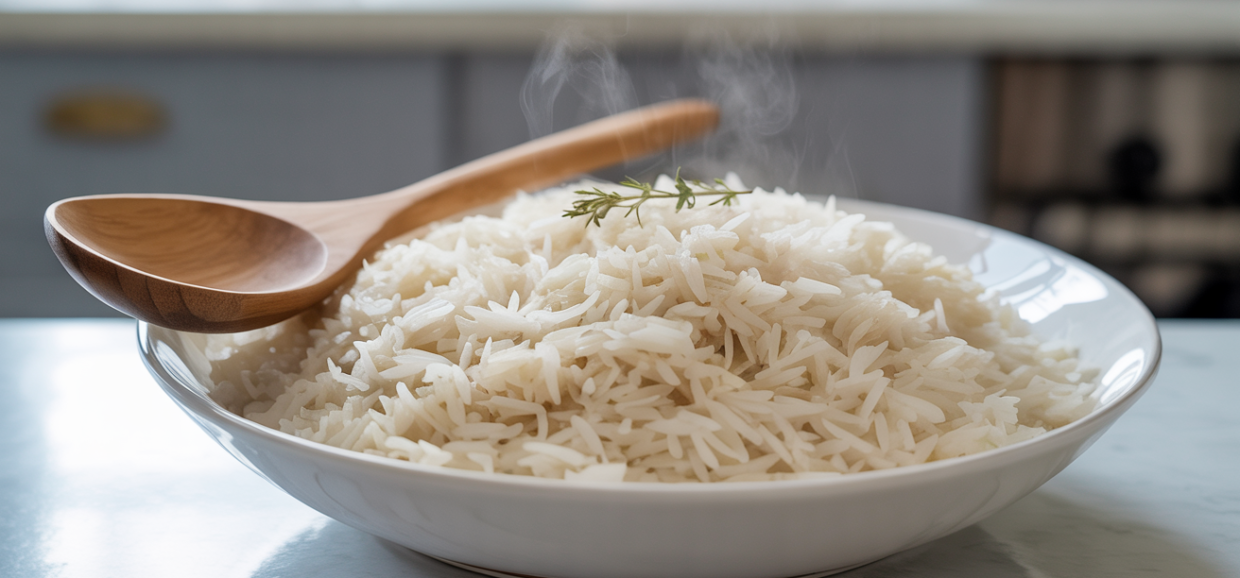
You followed the recipe. You measured the water. You even set a timer. But when you lifted that lid, you were greeted with a sticky, gluey, mushy blob instead of the fluffy, separate grains you were dreaming about. Sound familiar? Don’t worry — mushy rice is one of the most common kitchen frustrations out there, and the good news is that it’s almost always completely preventable (and sometimes even fixable after the fact).
Whether you’re cooking jasmine, basmati, long-grain white, or brown rice, the same core principles apply. Mushy rice usually comes down to a handful of very fixable mistakes — too much water, the wrong heat level, lifting the lid too early, or skipping a crucial rinse. In this post, we’re breaking down every reason your rice turns out mushy and walking you through exactly how to rescue it or nail it perfectly next time. Let’s get into it.
You Used Too Much Water
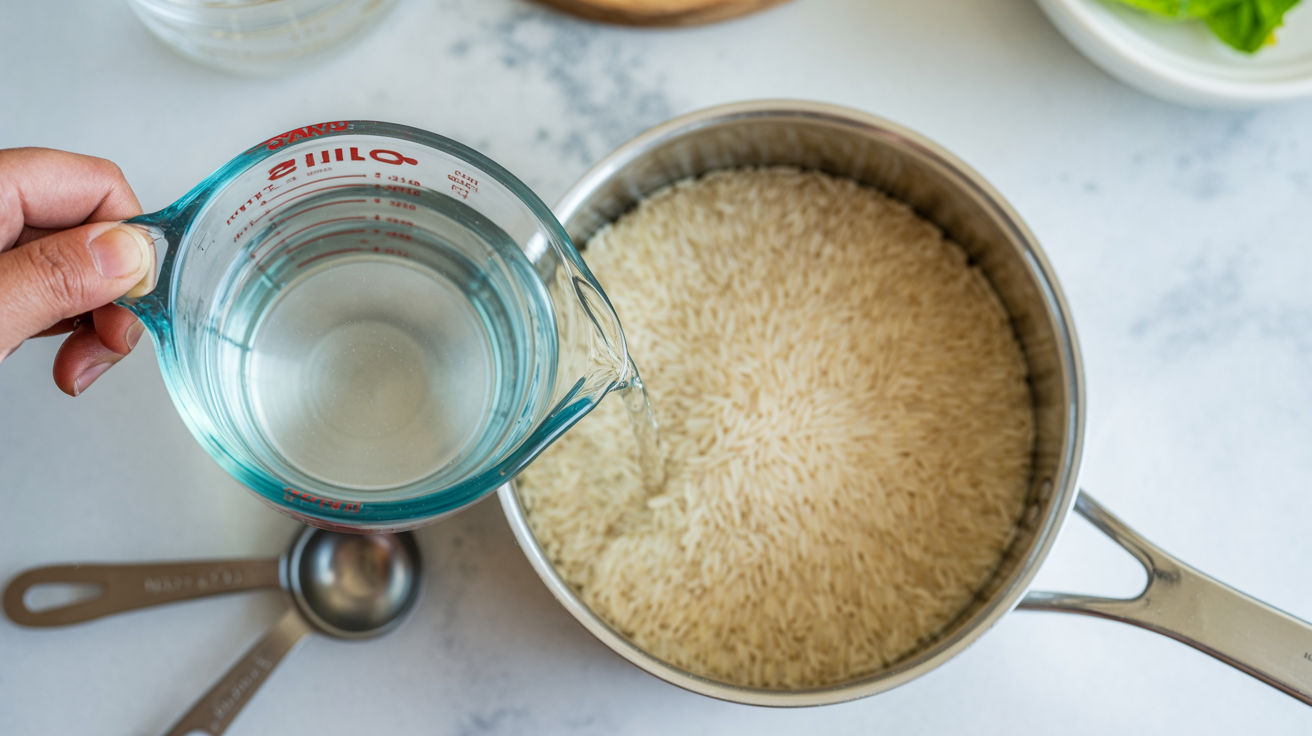
This is the number one culprit behind mushy rice, and it’s easier to do than you’d think. Most stovetop long-grain white rice needs a ratio of about 1 cup rice to 1¾ cups water. Go much beyond that — even by a quarter cup — and you’re setting yourself up for soggy, overhydrated grains. The problem is that many package instructions are genuinely too conservative with their ratios, often recommending 2 cups of water per cup of rice, which tends to produce results that are a little soft for most people’s tastes.
The fix is simple: dial back the water. Start with a 1:1.75 ratio for white rice, and 1:2 for brown rice. If you’re cooking at high altitude (above 3,500 feet), you may actually need slightly more water since water boils at a lower temperature — but for most home cooks at sea level, less is more. Take notes as you go and adjust by small increments until you find the sweet spot for your specific pot and stove.
Also remember: if you’re rinsing your rice (which you should be — more on that in a moment), make sure you’re letting it drain thoroughly before adding it to the pot. Extra water clinging to wet, un-drained rice adds up and throws off your ratio without you even realizing it.
You Didn’t Rinse the Rice (Or You Over-Rinsed It)
Rinsing rice removes excess surface starch — the stuff that makes rice stick together and turn gummy when cooked. If you skip the rinse entirely, especially with white rice varieties like jasmine or basmati, that loose starch dissolves into the cooking water and creates a thick, paste-like consistency that coats every grain. The result? A pot of rice that looks more like congee than a side dish.
Give your rice a proper rinse before cooking. Place it in a fine-mesh strainer or bowl, run cold water over it, and swish it around gently with your hand. You’ll see the water run cloudy at first — that’s all that surface starch washing away. Repeat two or three times until the water runs mostly clear. This takes about 60–90 seconds and makes a genuinely noticeable difference in the final texture.
That said, you can over-rinse. If you’re soaking rice for too long (more than 30 minutes without intention), the grains start to absorb water before cooking even begins, which throws off your liquid ratio entirely. A quick rinse and immediate drain is all you need for most everyday cooking.
The Heat Was Too High the Whole Time
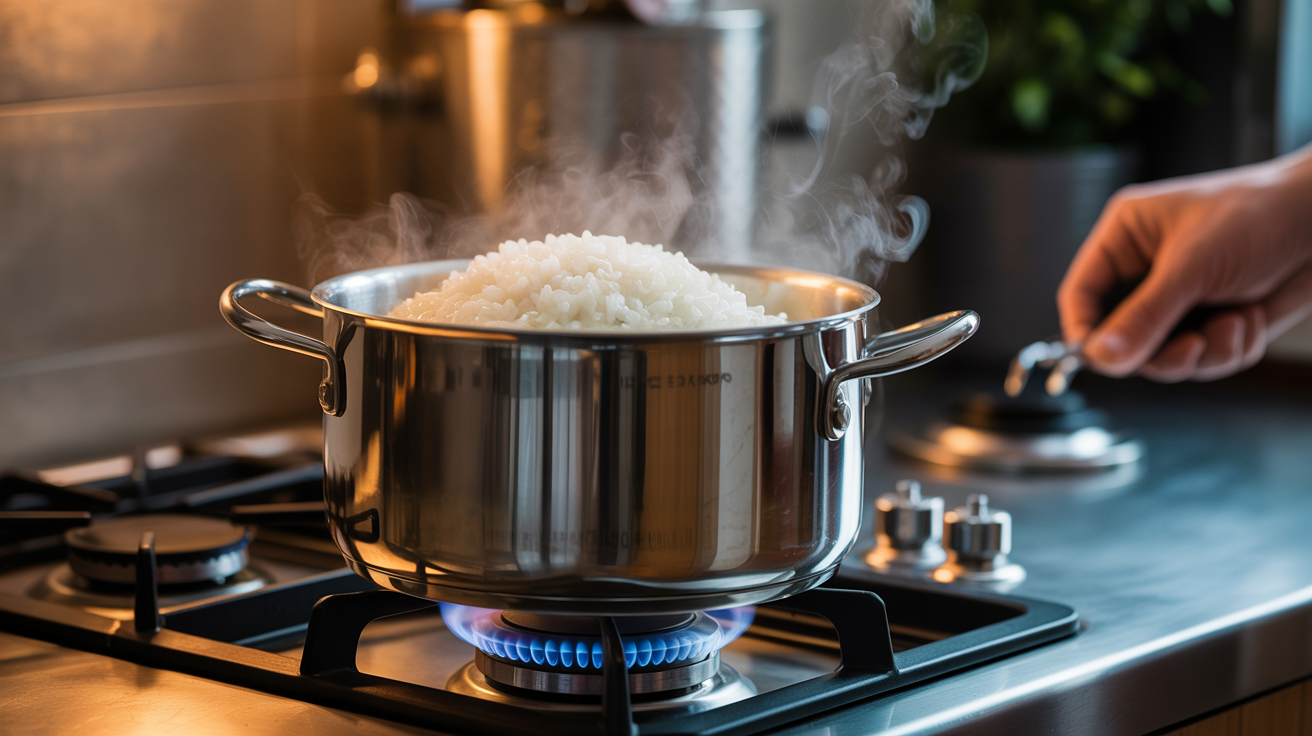
Rice needs a specific two-stage cooking process: a high-heat start to bring everything to a boil, followed by a low simmer where the real magic happens. If you keep the heat cranked up the entire time, the water boils away too aggressively, the outside of the grains gets hit with too much direct energy, and you end up with rice that’s simultaneously waterlogged and unevenly cooked. The rapid bubbling also causes the grains to bang around in the pot, breaking them down and releasing more starch.
The proper technique: bring your rice and water to a full boil over medium-high heat, then immediately drop it down to the lowest simmer your burner allows. You want to see just the faintest lazy bubbles at the surface — barely any movement at all. Then put the lid on and don’t touch it. For white rice, that low simmer should run for about 15–18 minutes. For brown rice, budget 40–45 minutes.
If you have a burner that runs hot even on the lowest setting, try using a heat diffuser, or simply move the pot slightly off-center on the burner. Getting that gentle, even heat is the difference between fluffy individual grains and a sticky clump.
You Lifted the Lid During Cooking
We’ve all done it. The curiosity is overwhelming — you just want to peek in and check on things. But lifting the lid while rice is cooking releases the steam that’s doing a significant portion of the actual cooking work. That trapped steam inside the pot isn’t just a byproduct; it’s actively penetrating and finishing each grain from the top down while the water handles the bottom.
Every time you lift the lid, you lose steam, you lose heat, and you disrupt the carefully balanced pressure environment inside the pot. This leads to uneven cooking where some grains are underdone, some are overcooked from the extended total time, and the moisture levels inside the pot get thrown off. The result is often mushy, gummy patches mixed with undercooked spots.
Set a timer and trust the process. Put the lid on after reducing the heat, and don’t lift it until the timer goes off. If you’re nervous about whether the water has fully absorbed, tilt the pot gently after the cooking time is done — you should see no pooling water. If there is some, cover it back up and give it another 3–4 minutes on low.
You Skipped the Resting Step
This is the secret step that a surprising number of home cooks skip entirely, and it makes a huge difference. Once your rice has finished cooking and you’ve taken it off the heat, it needs to rest — covered, off the burner — for at least 10 minutes before you touch it. During this rest period, the residual steam redistributes moisture evenly throughout the pot, and the grains firm up slightly as they cool just a degree or two.
If you fluff and serve rice immediately off the heat, the grains are in their most fragile, most swollen state. Stirring or serving them right away breaks them apart and releases all that pent-up internal moisture at once, creating a wet, mushy texture on the plate even if the rice looked fine in the pot. The 10-minute rest lets everything settle and set.
After resting, use a fork — not a spoon — to gently fluff the rice with light, lifting motions from the bottom. A spoon mashes the grains together; a fork separates them. This simple tool swap alone can transform the texture of your final dish.
How to Fix Mushy Rice After It’s Already Cooked
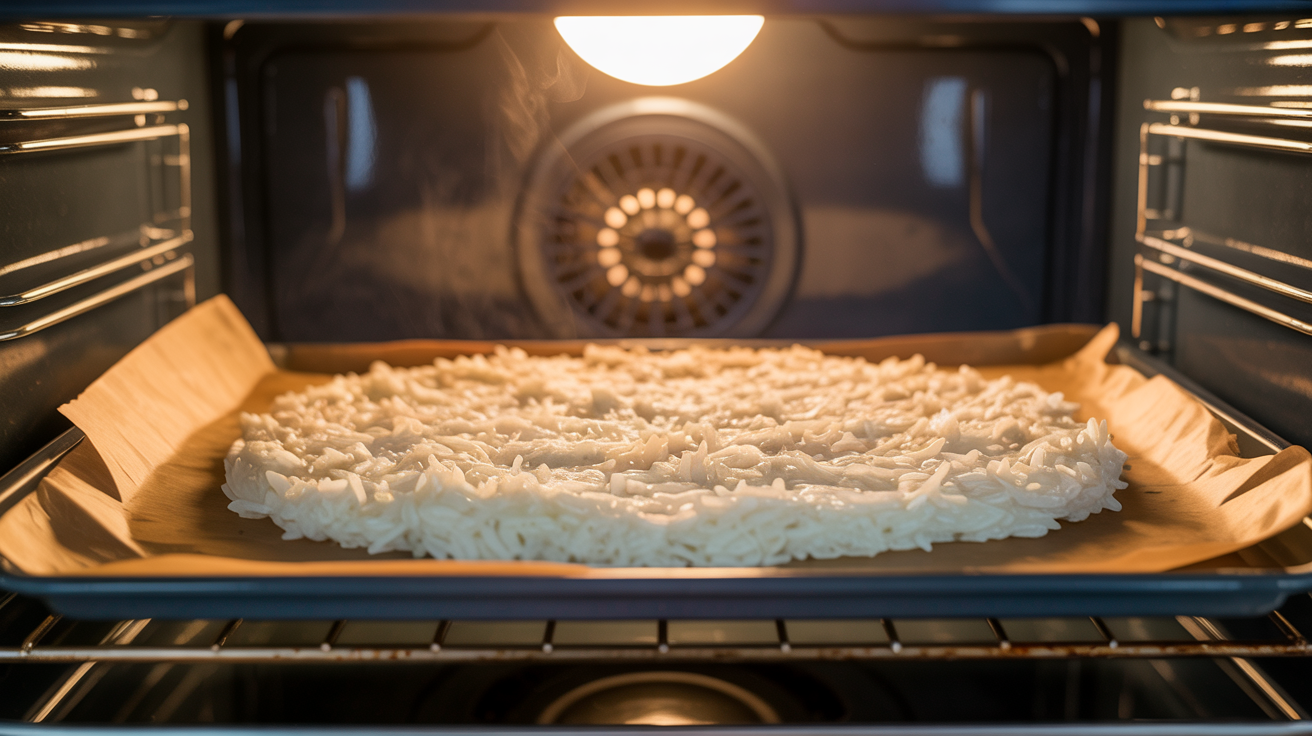
Okay, so the damage is done. Your rice is sitting there in a sticky, mushy heap and dinner is in 20 minutes. Can you rescue it? Sometimes, yes. If the rice is mushy but not completely waterlogged, spread it in a thin, even layer on a baking sheet lined with parchment paper. Pop it into an oven set to 350°F (175°C) for about 5–8 minutes. The dry oven heat will evaporate excess moisture and help firm the grains back up. Keep a close eye on it — you’re not trying to bake it, just dry it out a little.
Another option: if the rice is extremely wet and clumpy, don’t even try to save it as steamed rice. Embrace the mush and pivot. Mushy rice is actually perfect for making fried rice — frying it in a hot wok or skillet with a bit of oil, soy sauce, vegetables, and egg will firm up those soft grains fast. It’s one of the best use cases for rice that didn’t turn out quite right the first time around.
You can also repurpose overly soft rice into rice pudding, congee (just add more water and let it go), or use it as a binder in veggie burgers or rice cakes. Mushy rice is rarely a total loss if you’re willing to be creative with it.
The Best Tools and Pots for Perfect Rice Every Time
Your cookware matters more than you might think. A heavy-bottomed pot with a tight-fitting lid is your best friend for stovetop rice. Thin, lightweight pots heat unevenly and cause hot spots that scorch the bottom while the top remains undercooked. A 2-quart or 3-quart heavy saucepan — stainless steel with an aluminum core, or enameled cast iron — distributes heat much more evenly and holds a steady low simmer without fluctuating wildly.
The lid fit is equally important. A loose lid lets steam escape constantly, which changes your water ratio mid-cook. If your pot lid feels loose, try placing a clean kitchen towel or piece of foil between the pot and the lid to create a tighter seal. Some cooks even place a small weight on top to keep it snug.
If you cook rice several times a week, a dedicated rice cooker is genuinely worth the investment. Even a basic $30 model will produce consistently fluffy rice because it’s engineered to maintain the exact temperature and pressure conditions that rice needs. It removes virtually all the variables that cause mushy results on the stovetop.
Frequently Asked Questions
Can I fix mushy rice by adding more dry rice to it?
Not really — adding dry, uncooked rice to already-cooked mushy rice won’t help the cooked grains firm up. The dry rice would need its own proper water and cooking time. Your best bet is using the oven method or repurposing the mushy rice into another dish like fried rice or congee.
Does the type of rice matter for mushiness?
Absolutely. Short-grain rice (like sushi rice or Arborio) is naturally higher in starch and designed to be sticky. If you’re cooking it and expect fluffy separate grains, you’ll be disappointed. For fluffy rice, always reach for long-grain varieties like basmati or jasmine. Medium-grain falls somewhere in between.
Why does my rice cooker still make mushy rice sometimes?
Usually it’s too much water, rice that wasn’t rinsed, or old rice that has absorbed ambient humidity over time. Try reducing the water by about 2 tablespoons and rinsing the rice before adding it to the cooker. Freshly purchased rice from a sealed bag also tends to perform more predictably.
Should I salt my rice water?
Yes — a generous pinch of salt in the cooking water doesn’t affect texture but dramatically improves flavor. It’s one of the simplest upgrades you can make to your everyday rice.
How do I store leftover rice so it doesn’t get mushy?
Cool rice quickly (within an hour of cooking) and store it in an airtight container in the refrigerator for up to 4 days. When reheating, add a small splash of water — about 1 tablespoon per cup of rice — and cover it so steam can re-fluff the grains. Microwave on medium power for best results.
Making perfectly fluffy rice every single time really does come down to a few foundational habits: rinse your rice, use the right water ratio, start on high heat and drop to a low simmer, keep the lid on, and let it rest before serving. Once these steps become second nature, mushy rice will be a thing of the past. And on the occasions when things don’t go perfectly? Now you know exactly what to do about it.

1 Comment