
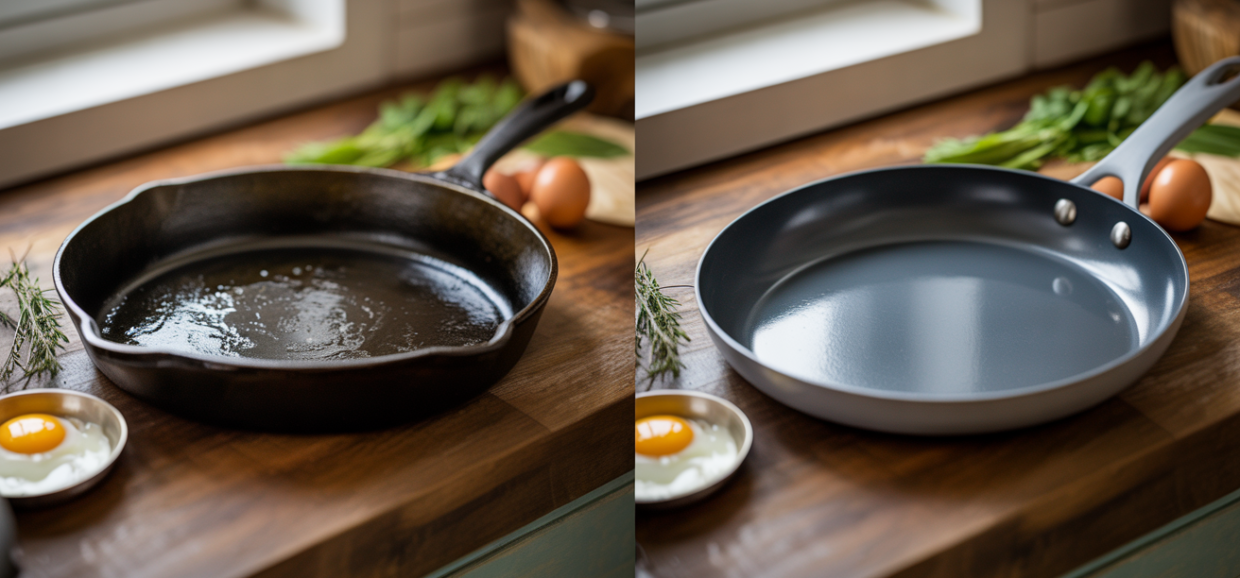
If you’ve ever stood in a kitchen store staring at two pans — one jet-black and heavy as a brick, the other sleek and suspiciously easy to lift — you already know the cast iron vs nonstick debate is real. Both have passionate defenders, both have legitimate drawbacks, and honestly? The “right” answer depends entirely on what you’re cooking and how you like to cook. I’ve spent years cooking with both, and I’m here to break it all down so you can stop second-guessing your pan choices and start making better food.
As an Amazon Associate, this site earns from qualifying purchases. Some links on this page are affiliate links.
The truth is, this isn’t really a competition with a single winner. It’s more like choosing between a Swiss Army knife and a scalpel — they’re built for different purposes. But since most of us don’t have unlimited cabinet space or budget, understanding the real-world differences matters. Let’s walk through everything: heat performance, durability, safety, maintenance, and the specific cooking scenarios where each pan absolutely shines (or completely flops).
Understanding Cast Iron: What It Actually Is and How It Works
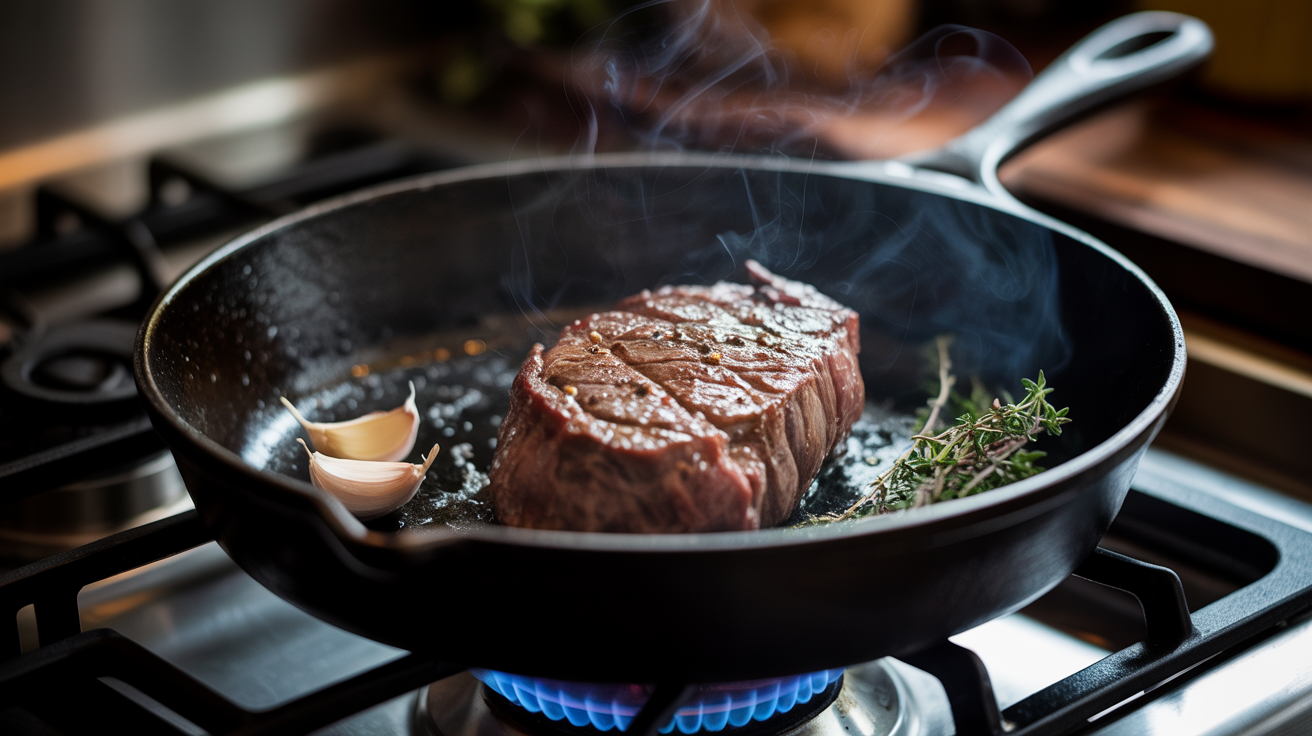
Cast iron cookware is exactly what it sounds like — iron that’s been melted down and cast into a mold to create a thick, dense pan. Lodge, the most iconic American brand, has been making cast iron since 1896, and some of their pans from that era are still in use today. That’s not an exaggeration. The material itself is virtually indestructible when cared for properly, which is a huge part of its appeal.
The magic of cast iron lies in its thermal mass. Because the pan is so thick and heavy, it holds heat incredibly well once it’s up to temperature. That means when you drop a cold steak onto a screaming-hot cast iron skillet, the surface temperature doesn’t plummet the way it would on a thinner pan — you get that gorgeous, even sear. It also transitions seamlessly from stovetop to oven, handling temperatures up to 500°F or beyond without any concern.
Cast iron does have a learning curve. It needs to be seasoned — a process of baking thin layers of oil into the surface to create a polymerized, naturally nonstick coating over time. A well-seasoned cast iron skillet can handle eggs, fish, and delicate foods beautifully, but a poorly seasoned or neglected one will make you want to throw it out a window. The good news: seasoning is easy once you understand it, and most modern cast iron comes pre-seasoned from the factory.
Understanding Nonstick Pans: The Science Behind the Slick Surface
Nonstick cookware gets its slippery properties from PTFE (polytetrafluoroethylene), commonly known by the brand name Teflon. DuPont developed it in the 1930s, and it became a kitchen staple by the 1960s. Modern nonstick pans apply this coating over an aluminum base, giving you a lightweight pan with an almost frictionless cooking surface that requires minimal oil and makes cleanup genuinely effortless.
The practical advantages are hard to argue with. Scrambled eggs slide out without a trace. Delicate fish fillets don’t tear when you flip them. Pancakes release perfectly every single time. For beginners especially, nonstick pans are confidence-builders — they’re forgiving and intuitive in a way that cast iron simply isn’t at first. You also don’t need to worry about seasoning or rust, which removes a significant maintenance burden.
However, nonstick coatings are not immortal. Metal utensils, high heat, and abrasive scrubbing are the three enemies of any nonstick surface. Most quality nonstick pans last 3–5 years with proper care before the coating begins to degrade. Once you see visible scratches or flaking, it’s time to replace the pan. The old concerns about PFOA (a chemical used in older Teflon manufacturing) have largely been addressed — post-2013 nonstick pans are PFOA-free — but the fragility of the coating remains a genuine consideration.
Heat Performance: Where Each Pan Wins and Loses
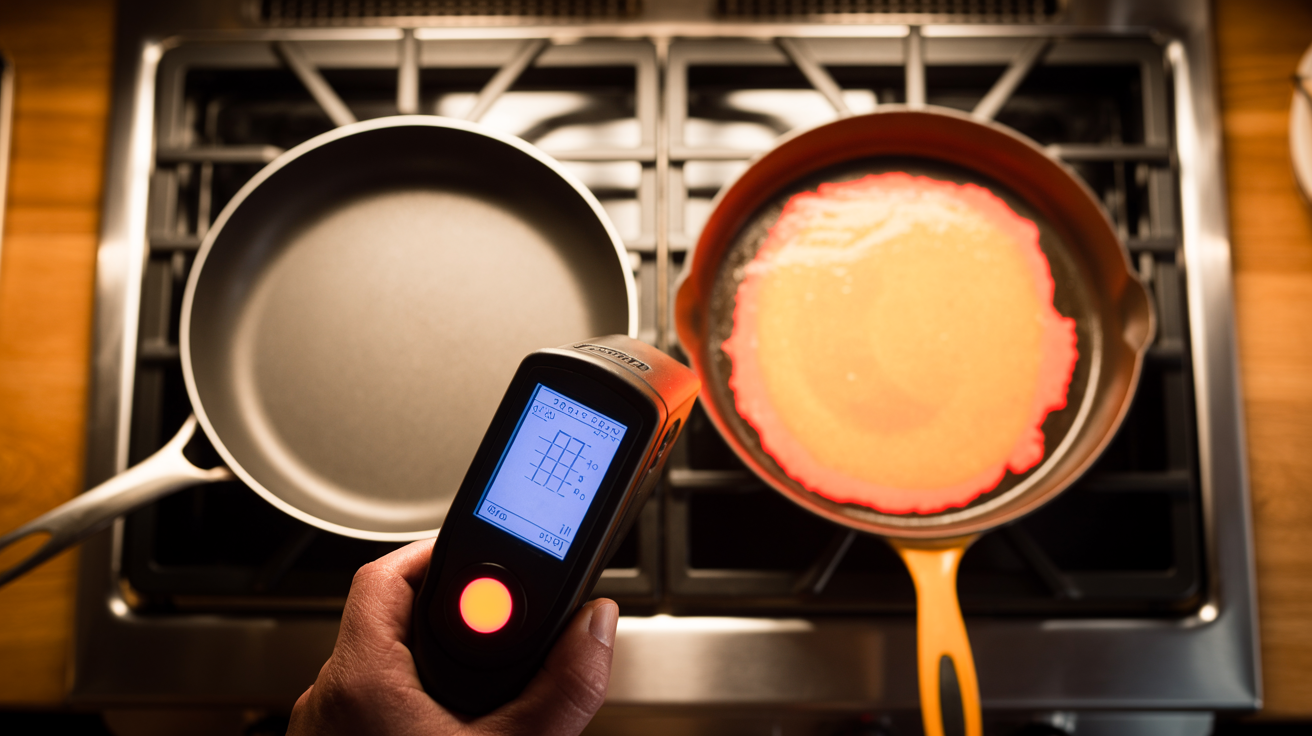
Heat distribution and retention are where cast iron and nonstick diverge most dramatically. Cast iron heats unevenly at first — if you put it on a burner and start cooking immediately, the center gets hot while the edges stay cooler. The fix is simple: preheat your cast iron over medium heat for 3–5 minutes before adding food. Once it’s up to temperature, it holds heat like a champ and distributes it evenly, making it ideal for searing, frying, and baking.
Nonstick pans, built on aluminum, heat up quickly and relatively evenly right from the start. Aluminum is an excellent heat conductor, much better than iron, actually. But it doesn’t retain heat as well — drop something cold in a nonstick pan and you’ll notice a temperature drop. This makes nonstick better suited for low-to-medium heat cooking where you want responsive temperature control: think sautéing vegetables, cooking eggs, making crepes, or warming sauces.
One critical rule for nonstick: never use it on high heat. Most nonstick coating manufacturers recommend staying below 450°F to prevent the coating from degrading and releasing potentially harmful fumes. This makes nonstick completely unsuitable for tasks like searing a steak at high heat or finishing a dish in a 500°F oven. Cast iron not only tolerates high heat — it thrives in it.
Durability and Longevity: The Long Game
This is where cast iron wins, and it’s not close. A well-maintained cast iron pan will outlast you, your children, and quite possibly your grandchildren. There are cast iron skillets from the 1800s that are still producing gorgeous meals. The material itself doesn’t degrade — it can rust if neglected, but rust is reversible with a little effort. Drop a cast iron pan? You might chip your tile floor, but the pan will be fine.
Nonstick pans have a built-in expiration date. Even the highest-quality, most expensive nonstick cookware — brands like All-Clad, Zwilling, or GreenPan — will eventually need replacing. The coating wears down over time no matter how careful you are. Budget nonstick pans ($15–$30) might last a year or two. Mid-range pans ($50–$100) with quality coatings can last 3–5 years. Premium options may go longer, but replacement is always inevitable.
From a purely economic and environmental standpoint, cast iron is the smarter long-term investment. A $30 Lodge cast iron skillet purchased today could realistically be in your kitchen for the next 50 years. Compare that to replacing nonstick pans every few years, and the math becomes clear — cast iron pays for itself many times over.
Maintenance and Care: What You’re Actually Signing Up For
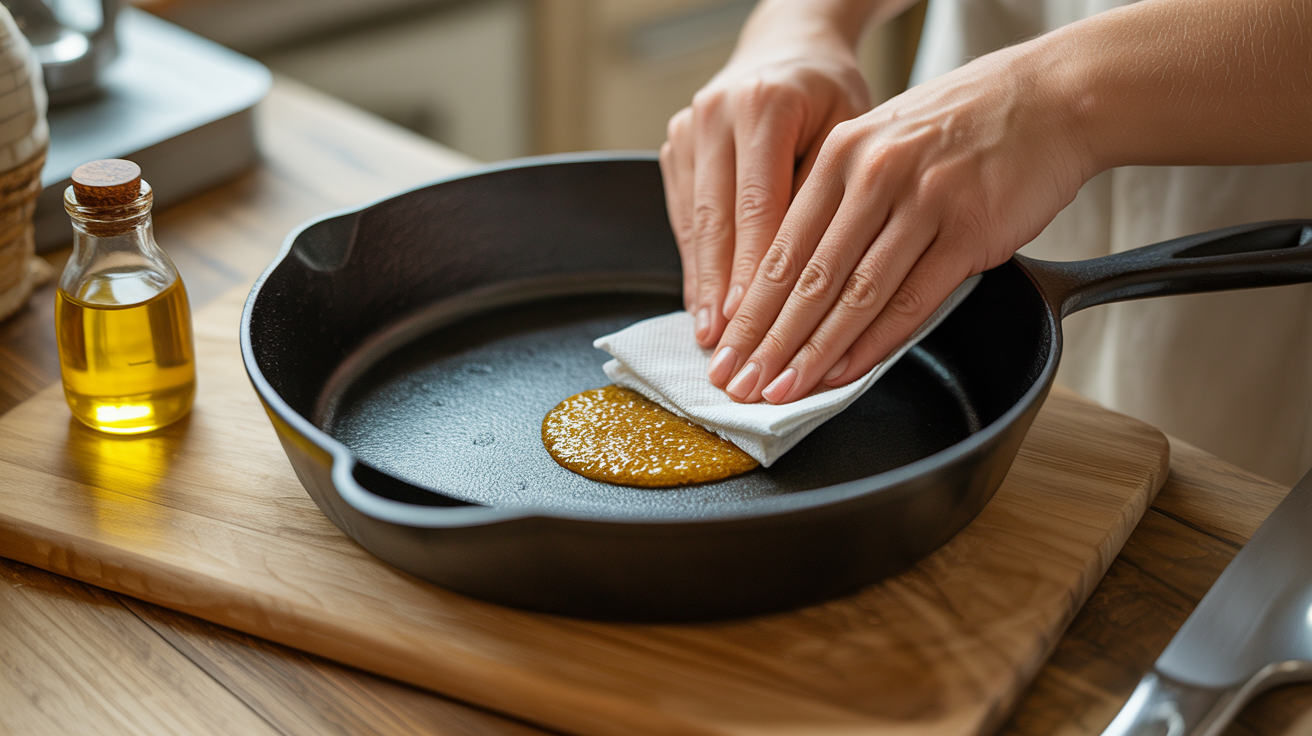
Cast iron care sounds intimidating but it’s really just a few simple rules. Never soak it in water. Dry it immediately after washing — ideally on a warm burner for a minute to evaporate all moisture. Add a thin layer of oil after drying to protect the seasoning. Avoid dish soap if possible (a little is fine, but consistent use strips seasoning). That’s genuinely it. Once you build these habits, caring for cast iron takes maybe 2 extra minutes compared to any other pan.
Nonstick care is simple in a different way: use only silicone, wooden, or nylon utensils (never metal), hand wash only (dishwashers degrade the coating), cook on low to medium heat, and never use cooking sprays like PAM — they leave a residue that builds up and damages the coating over time. The rules are easy to remember, but easy to accidentally break, especially if you’re sharing a kitchen with someone who doesn’t know them.
One honest advantage of nonstick: if you forget these rules occasionally, the pan still works fine for a while. The degradation is gradual. With cast iron, leaving it wet overnight can cause rust spots, though these are easily fixed with some scrubbing and re-seasoning. Neither pan is fragile in a meaningful sense, but they each require a specific kind of attention.
Safety Considerations: What You Need to Know
The safety conversation around nonstick centers on PFAS chemicals — a class that includes the now-banned PFOA, which was linked to health concerns. Since 2013, major manufacturers have eliminated PFOA from their nonstick products. Current PTFE-based coatings are considered safe for normal cooking use by the FDA and most regulatory bodies. The caveat: overheating nonstick (above 500°F) can cause the coating to break down and release fumes that are harmful to birds and can cause flu-like symptoms in humans. This is called polymer fume fever and it’s a real thing, though it requires significantly overheating the pan.
Cast iron has its own safety footnote: it does leach small amounts of iron into food, particularly acidic foods like tomatoes or citrus cooked for extended periods. For most people, this is a non-issue or even a mild benefit (dietary iron). But for people with hemochromatosis (a condition causing iron overload), cooking in cast iron frequently could be a concern worth discussing with a doctor.
Ceramic nonstick is worth mentioning as a middle-ground option — it uses a silica-based coating rather than PTFE, is free of PFAS chemicals, and can handle slightly higher heat. The tradeoff is that ceramic coatings tend to lose their nonstick properties faster than traditional PTFE, often within 1–2 years.
Which Pan Should You Actually Buy? The Honest Answer
Buy both if you can — seriously. A 10-inch cast iron skillet ($25–$35 for a Lodge) and a quality 10-inch nonstick pan ($40–$80 for a mid-range option) together cost less than most stainless steel pans and cover nearly every cooking situation you’ll encounter. Use the cast iron for searing proteins, making cornbread, frying, cooking bacon, baking in the oven, and anything requiring high heat. Use the nonstick for eggs, fish, crepes, pancakes, and anything delicate that you don’t want to stick.
If you can only buy one: choose cast iron. It’s more versatile, more durable, and more capable of handling the full range of cooking tasks. Yes, eggs will stick if you don’t know what you’re doing yet — but a well-seasoned cast iron pan with a little butter handles eggs just fine. Nonstick is wonderful, but it has real limitations and a real expiration date. Cast iron can do nearly everything nonstick can do, plus a lot more.
If you’re a beginner just building a kitchen from scratch and you’re working with a very tight budget, one good nonstick pan and one cast iron skillet is genuinely an excellent foundation. Add a stainless saucepan for stocks and sauces, and you have a set that can handle 95% of home cooking without spending a fortune.
Frequently Asked Questions
Can I use cast iron on a glass or induction cooktop?
Yes to induction — cast iron is magnetic and works perfectly on induction burners, often better than on gas because the heat is so even. For glass/ceramic cooktops, cast iron works but you need to be careful: never slide the pan across the surface (it can scratch), and avoid thermal shock by not putting a cold cast iron on a hot burner immediately. Heat gradually.
Is it safe to cook acidic foods like tomato sauce in cast iron?
Occasional use is fine, but prolonged cooking of highly acidic foods (tomatoes, wine-based sauces, citrus) in cast iron can strip seasoning and impart a slight metallic taste. Use stainless or enamel-coated cast iron for long-simmered acidic dishes.
How do I fix a rusted cast iron pan?
Scrub the rust off with steel wool or a chain mail scrubber, wash with soap and water, dry completely on a burner, then apply a thin coat of vegetable oil or flaxseed oil and bake upside down in a 450°F oven for an hour. Let it cool in the oven. Repeat 2–3 times if needed. Your pan will be good as new.
When should I replace a nonstick pan?
Replace it when you see visible scratches, flaking coating, or when food starts sticking despite proper care and seasoning. Don’t use a nonstick pan with damaged coating — it’s time for a new one.
Does expensive cast iron cook better than cheap cast iron?
Not necessarily. Lodge ($25–$40) is excellent. More expensive brands like Smithey or Le Creuset offer smoother machined surfaces and aesthetic appeal, but the cooking performance difference is minimal. Spend more on technique than on an expensive pan.
The cast iron vs nonstick debate doesn’t need to be an either/or choice — but if it has to be, cast iron is the pan for the long haul. It rewards patience, improves with use, and connects you to a cooking tradition that goes back centuries. Get one, season it properly, cook with it consistently, and in six months you’ll wonder how you ever cooked without it.